Here’s a rundown of the work we’ve completed so far, thanks to help from grants, volunteers, and generous sponsors and donors.


Here’s a rundown of the work we’ve completed so far, thanks to help from grants, volunteers, and generous sponsors and donors.
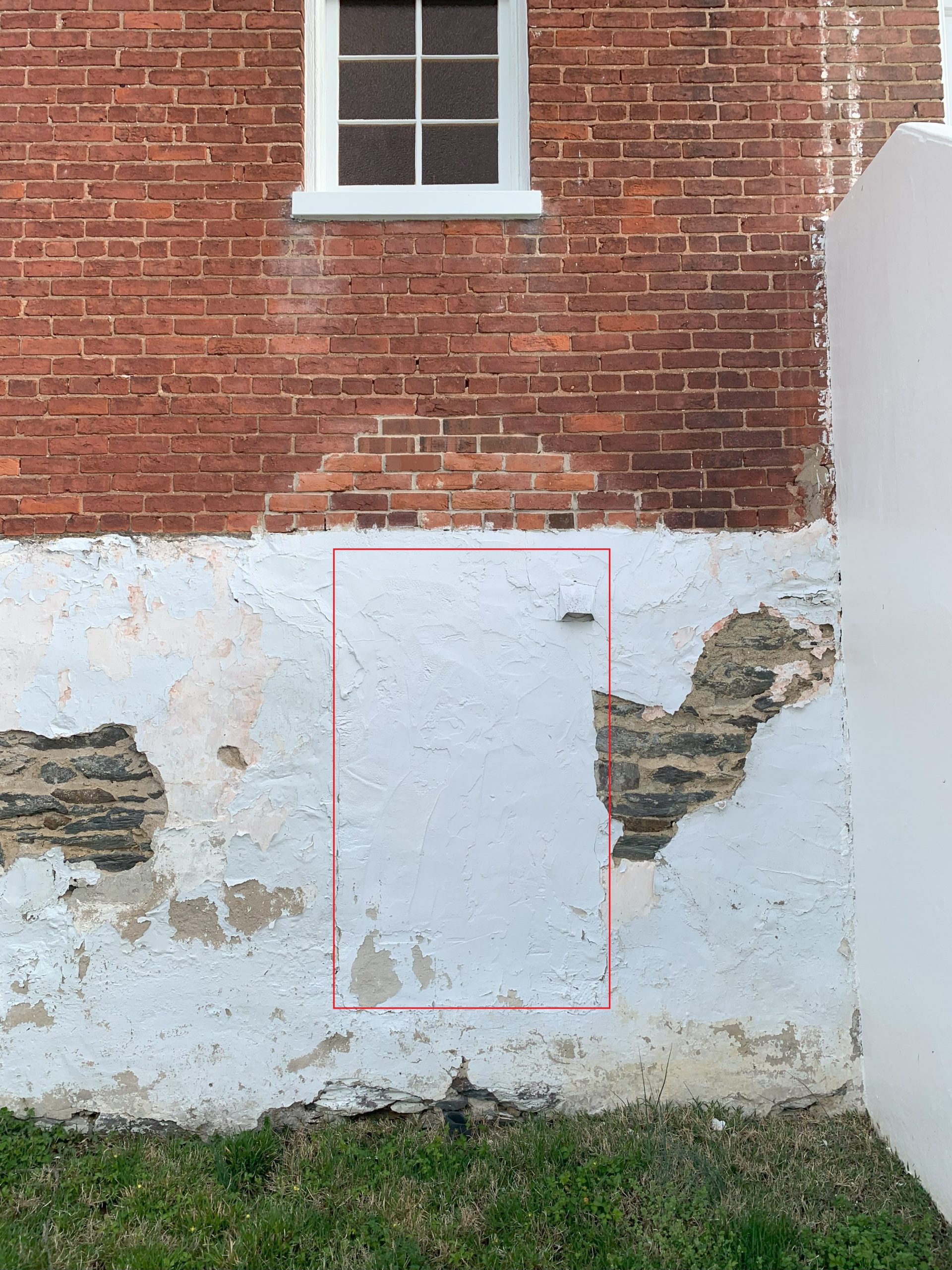
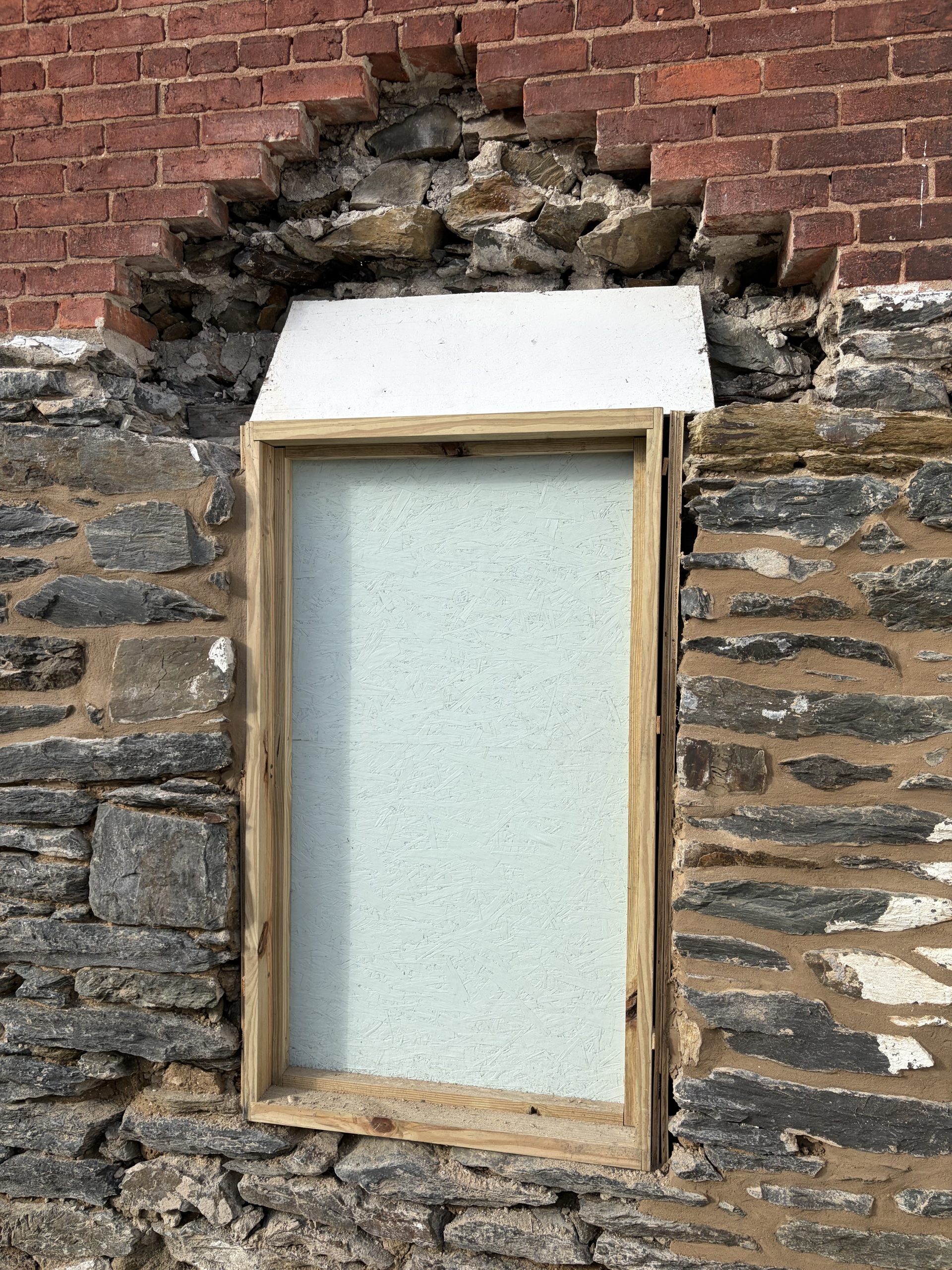
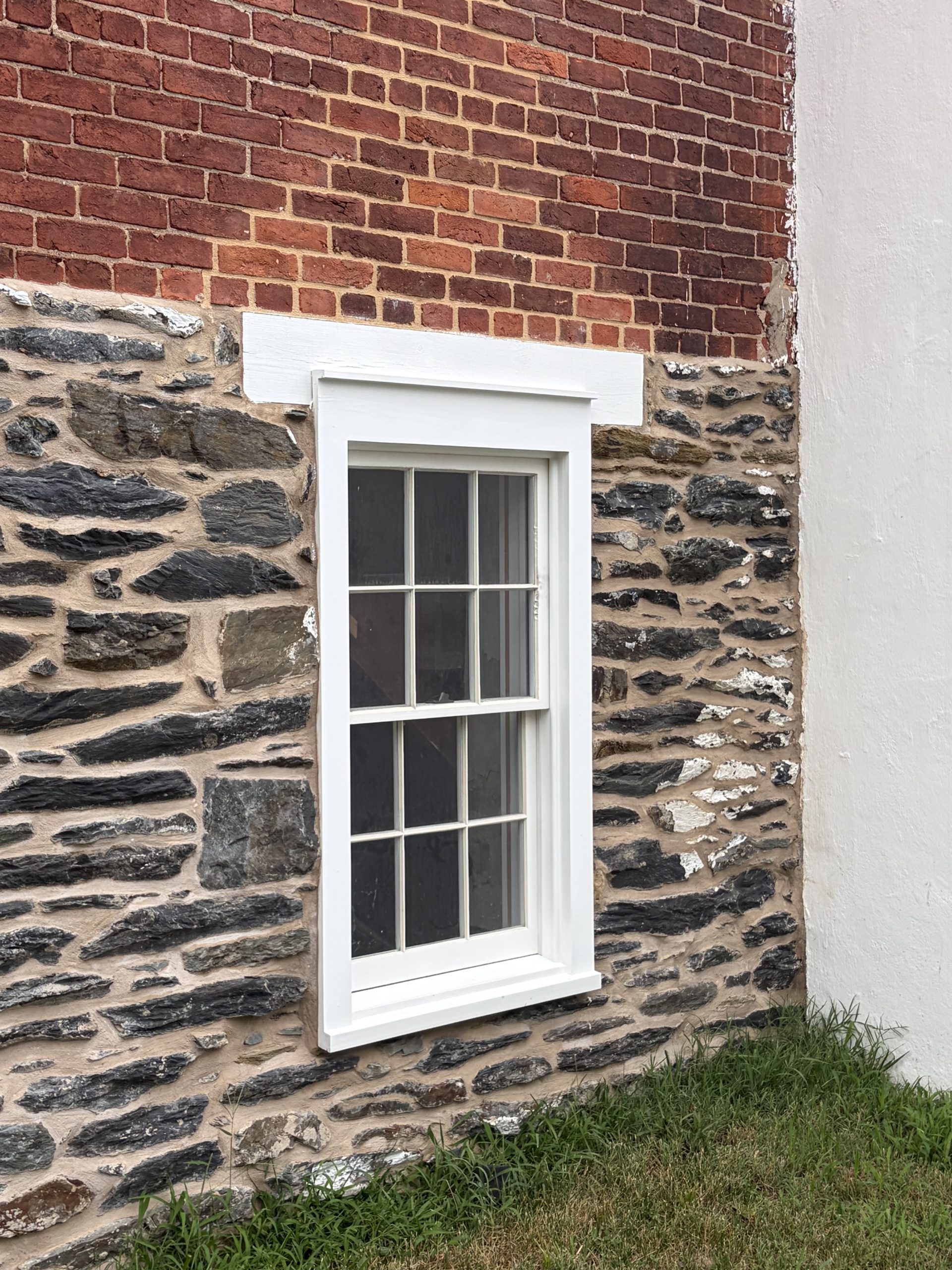
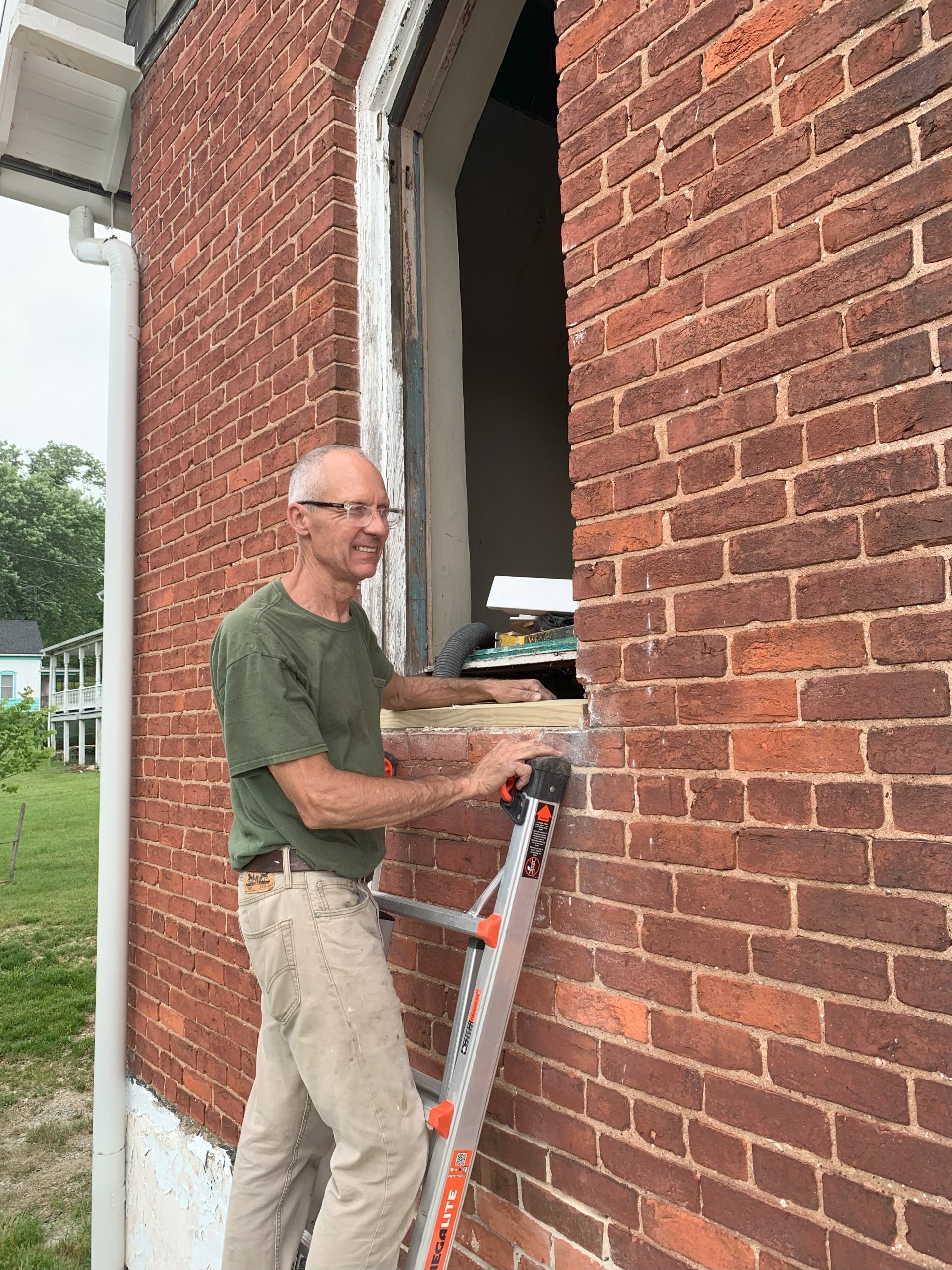
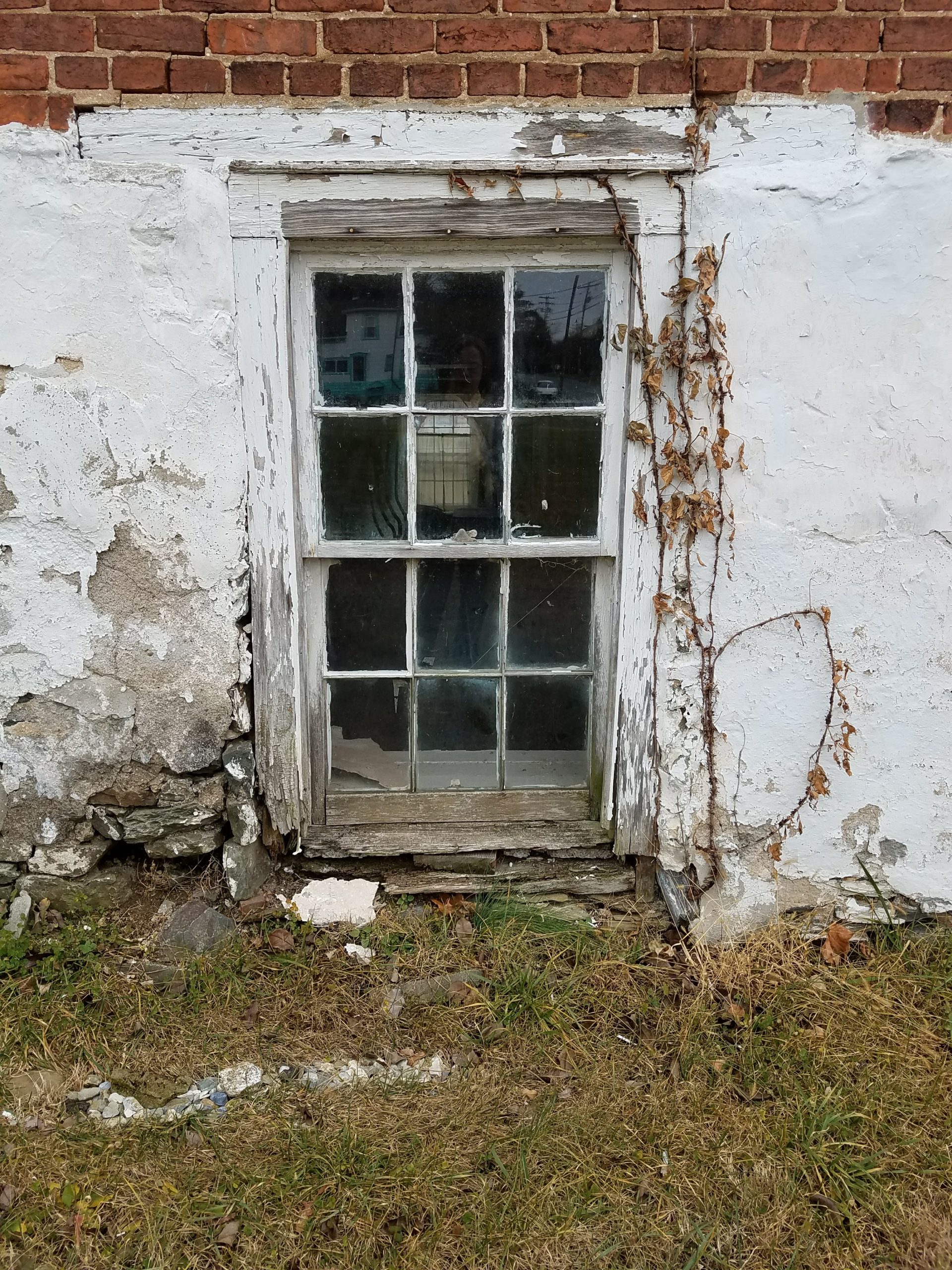
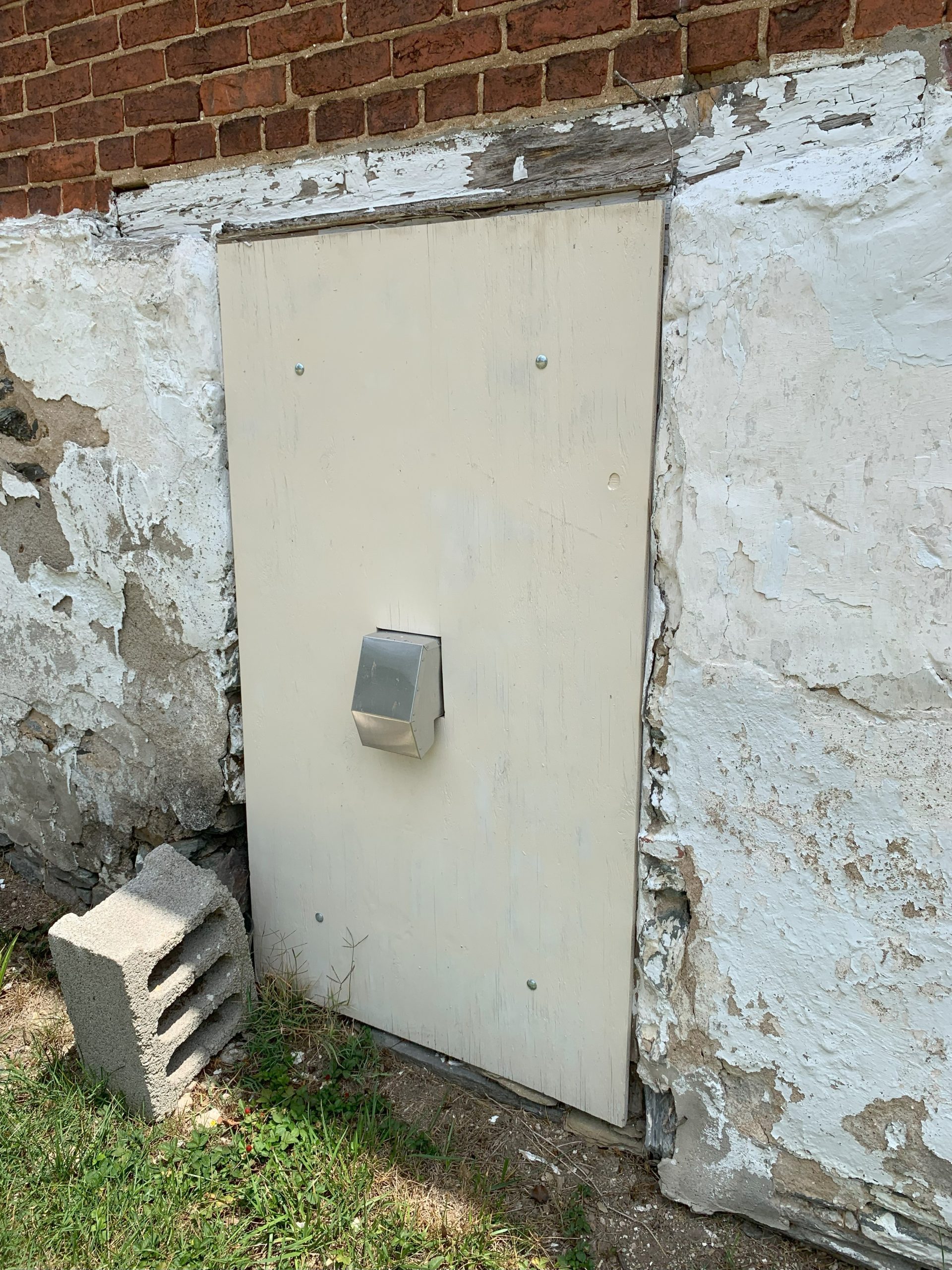
An original basement window opening had been filled in ages ago when first bathrooms were added. As part of our restoration of First Zion, we reopened the wall and installed a replica window to match the other basement windows.
This project has been funded in part by a Saving Black Churches grant from the National Trust for Historic Preservation.
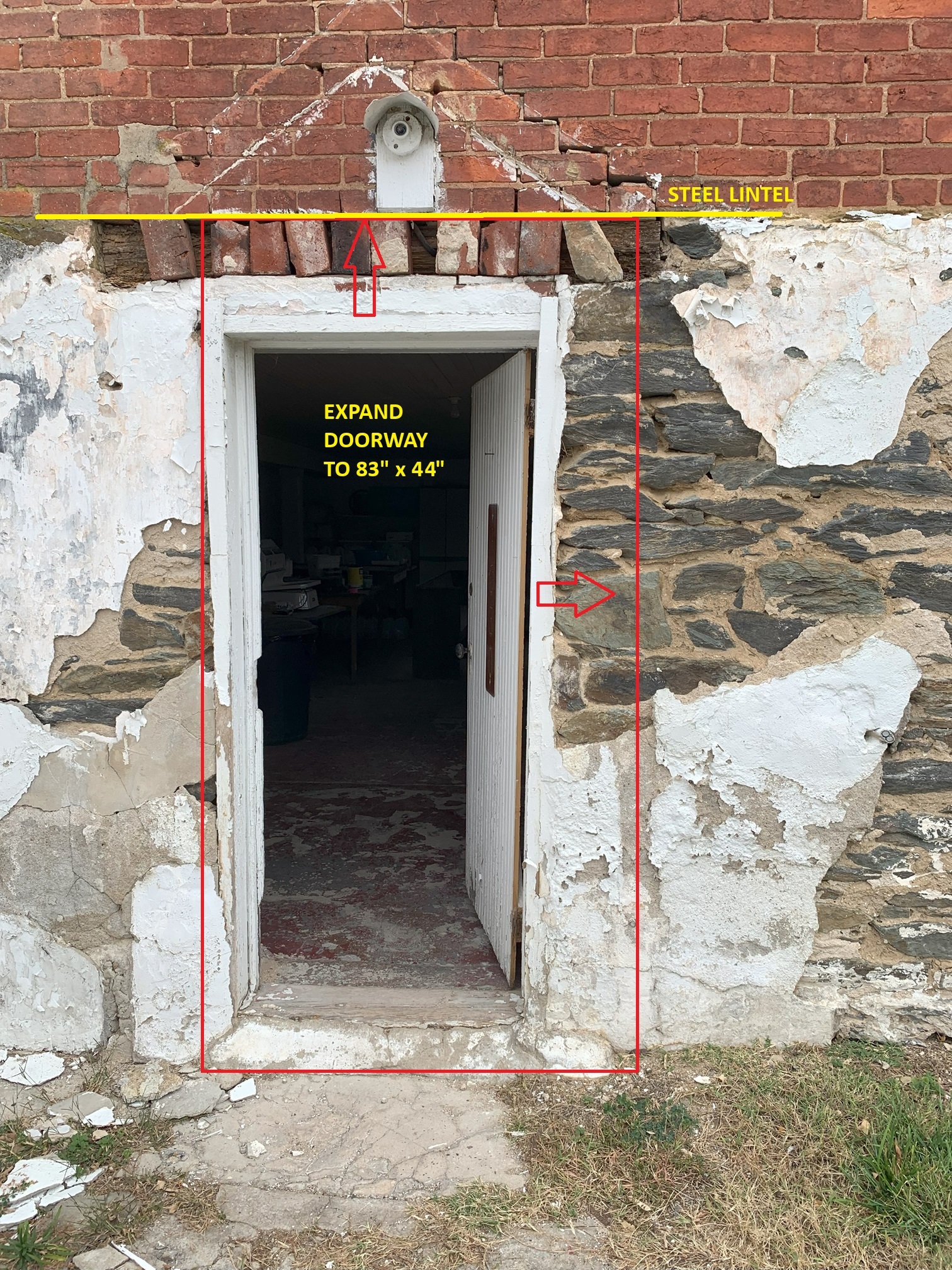
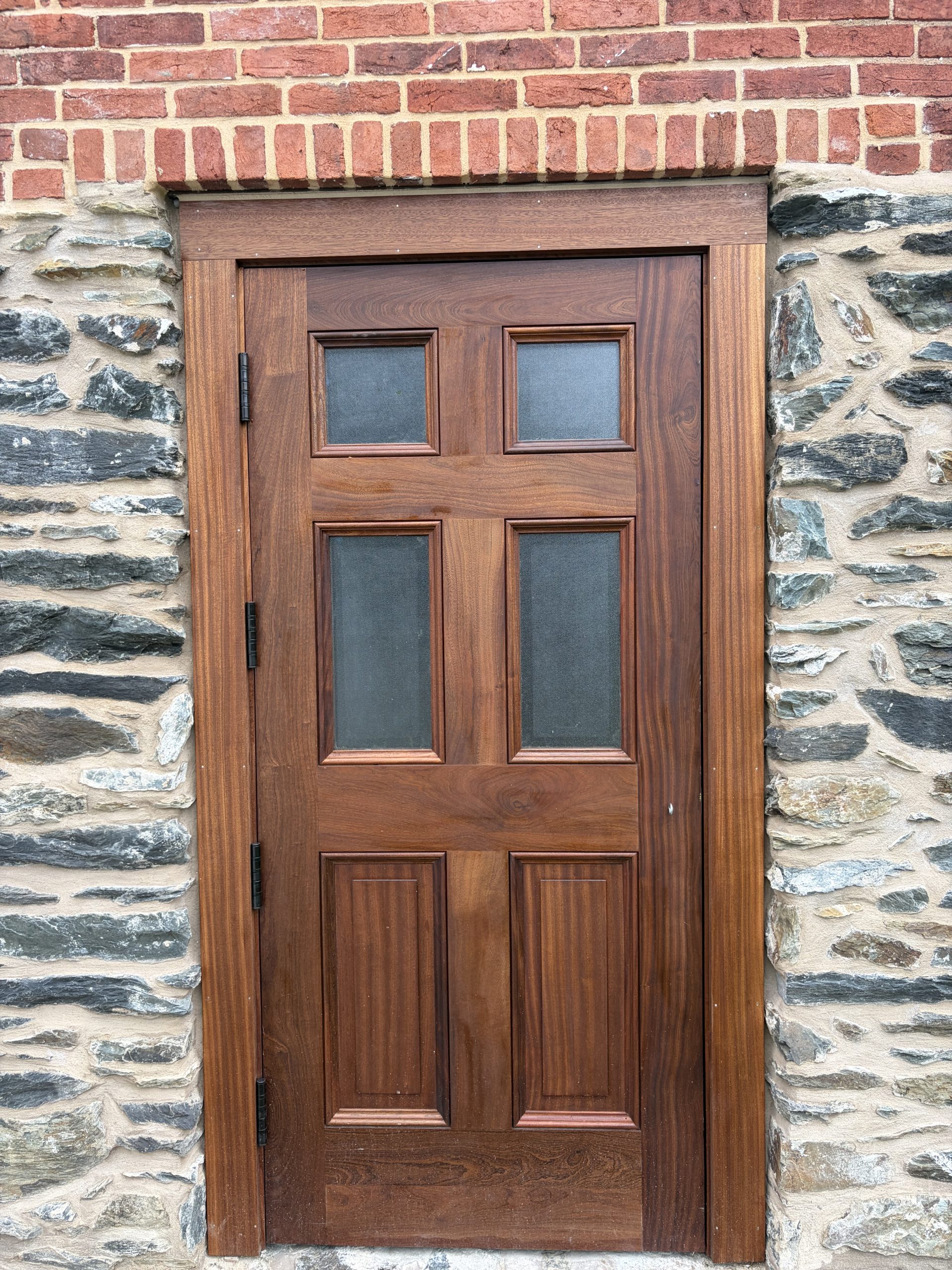
A handsome new door was custom built by David Kardok and will become the main entryway for visitors to First Zion. The opening was enlarged to provide for accessibility.
The talented crew at Gruber-Latimer cleaned and repointed the stone foundation of the church, repaired cracked masonry lintels and replaced spalling bricks.
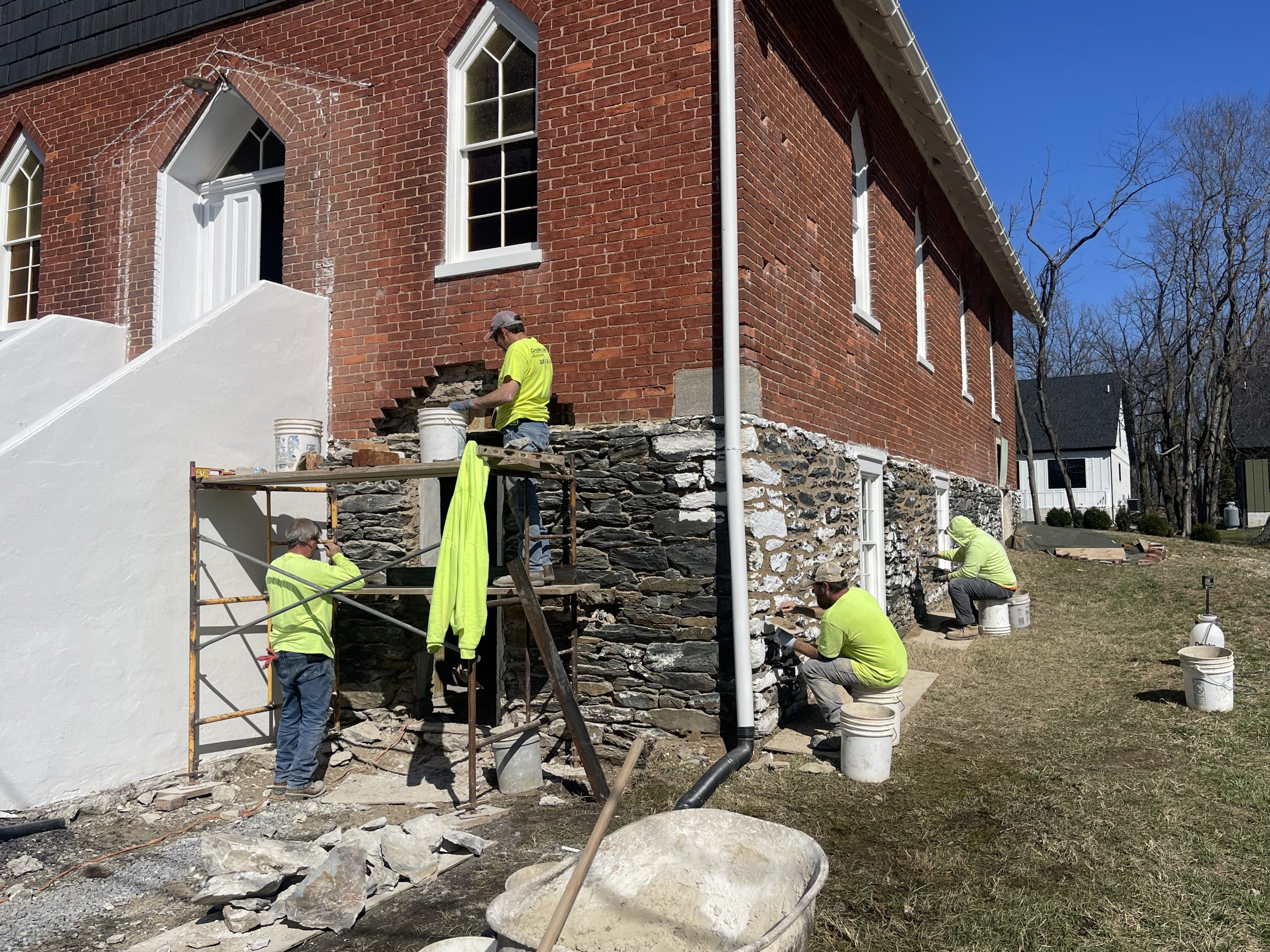
This project has been funded in part by a Saving Black Churches grant from the National Trust for Historic Preservation.
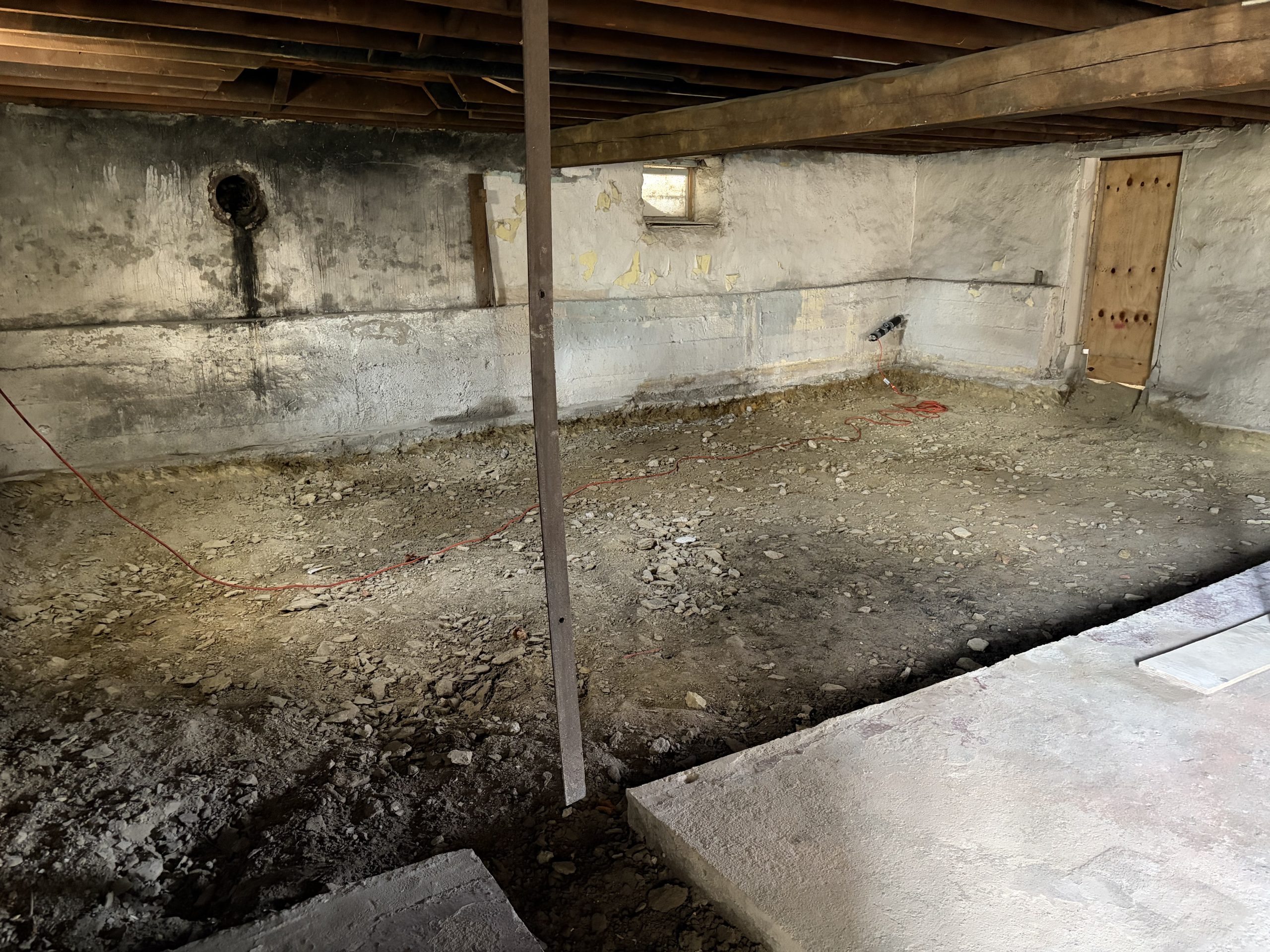
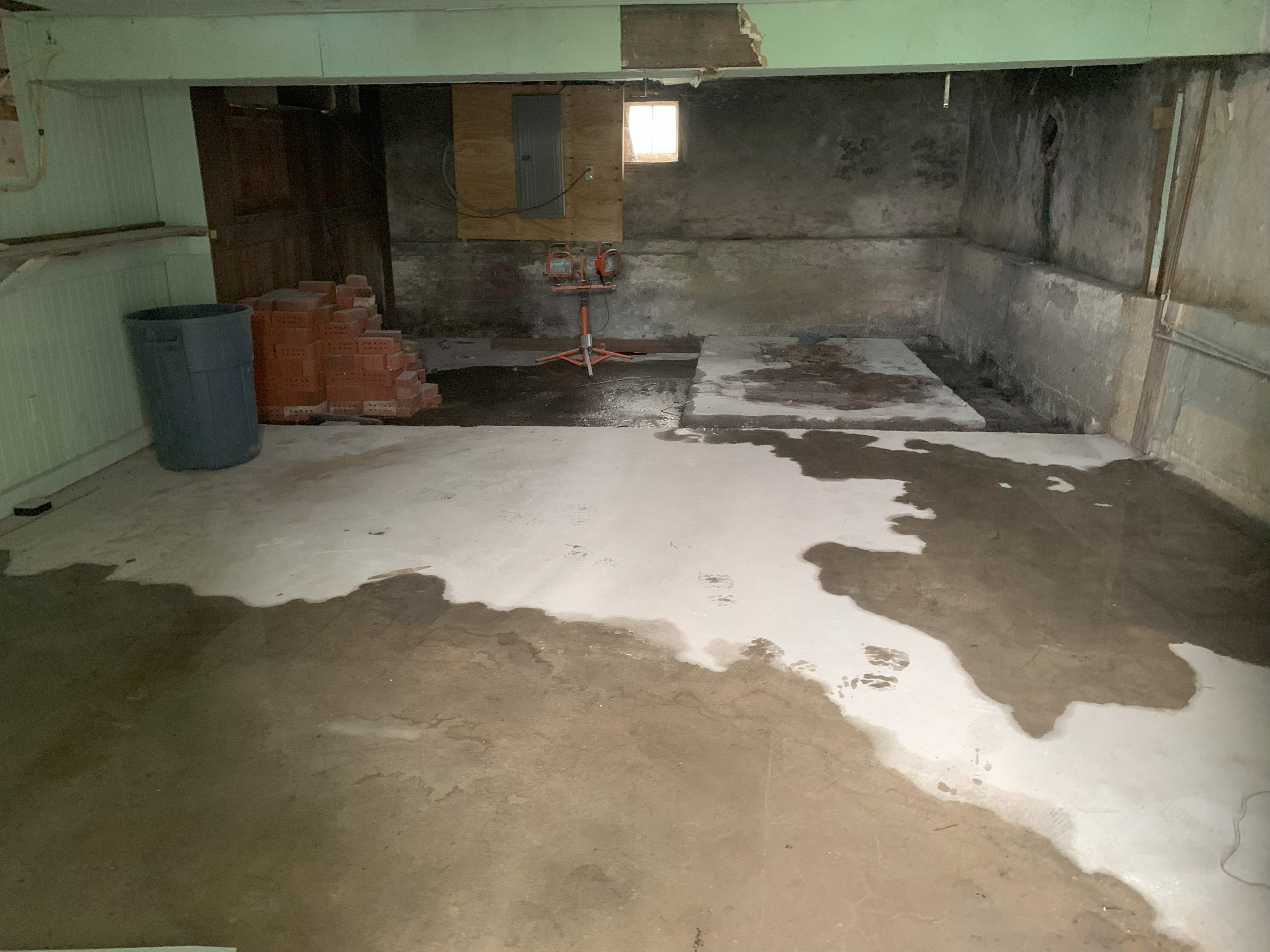
The floor of the furnace room and kitchen at the rear of the basement level was raised higher than the remainder of the basement floor. The original kitchen must have been very cozy as it had a ceiling height of about 6 feet. To provide a little more headroom, we decided to demolish the rear basement floor so, eventually, a new floor can be poured at the same level as the front basement. The only entrance to the basement is through narrow doorways so heavy equipment could not be used. The thick concrete floor had to be broken into small pieces and carried up and out by the bucket full — all 48 tons!
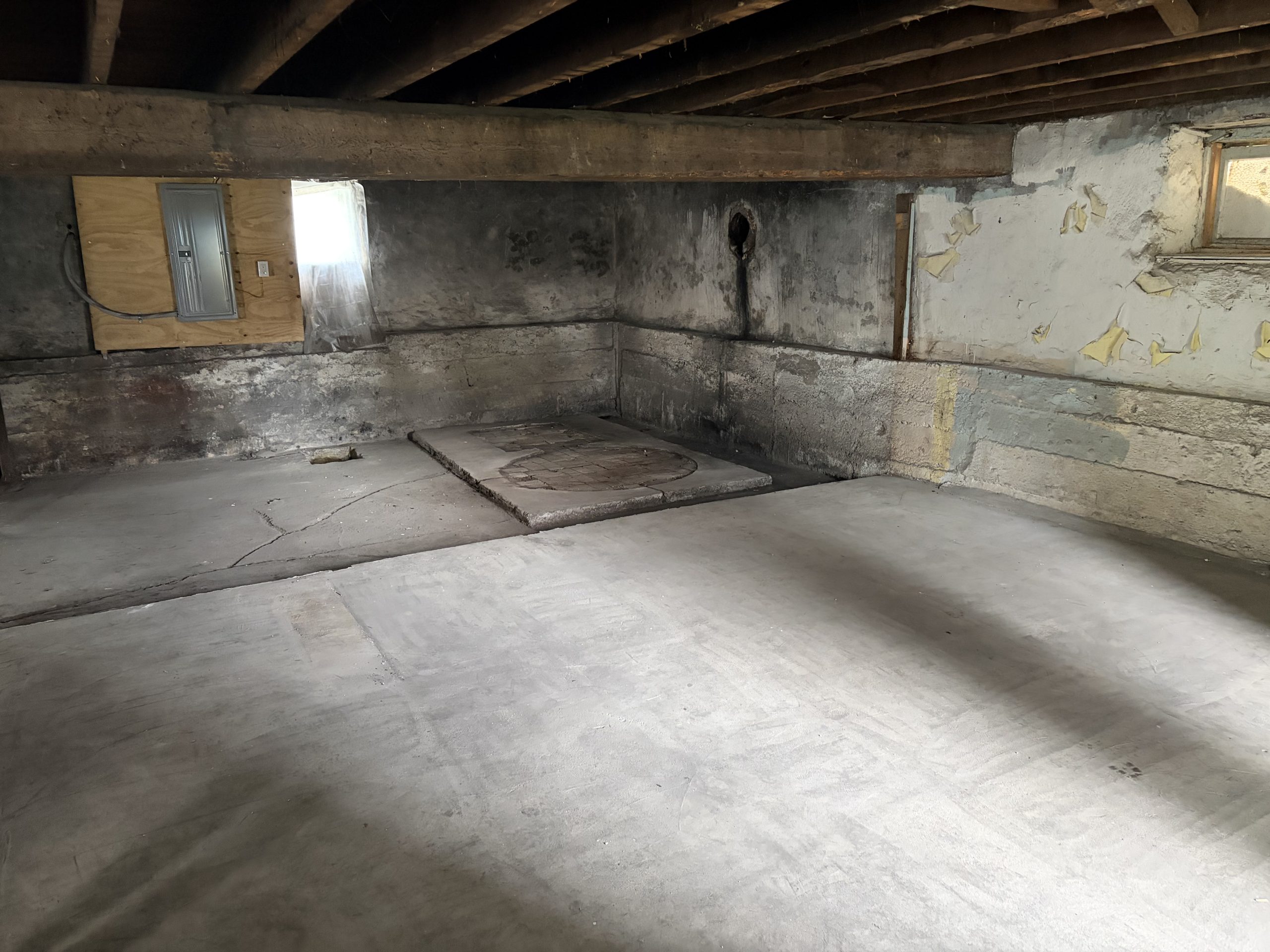
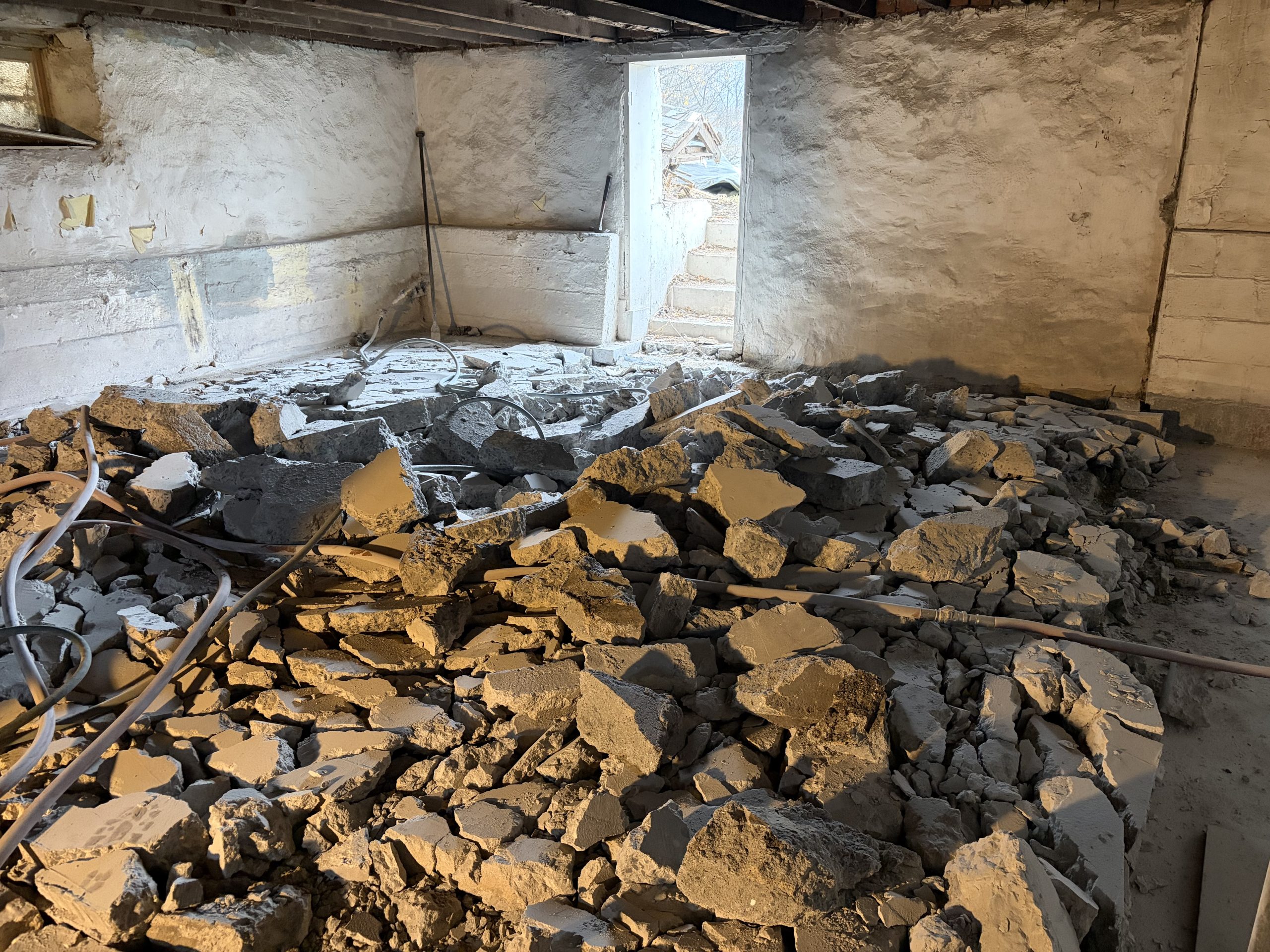
Late in October, three intrepid volunteers removed the old basement ceiling. This will allow us to inspect the main floor joists and provide access for wiring and ductwork.
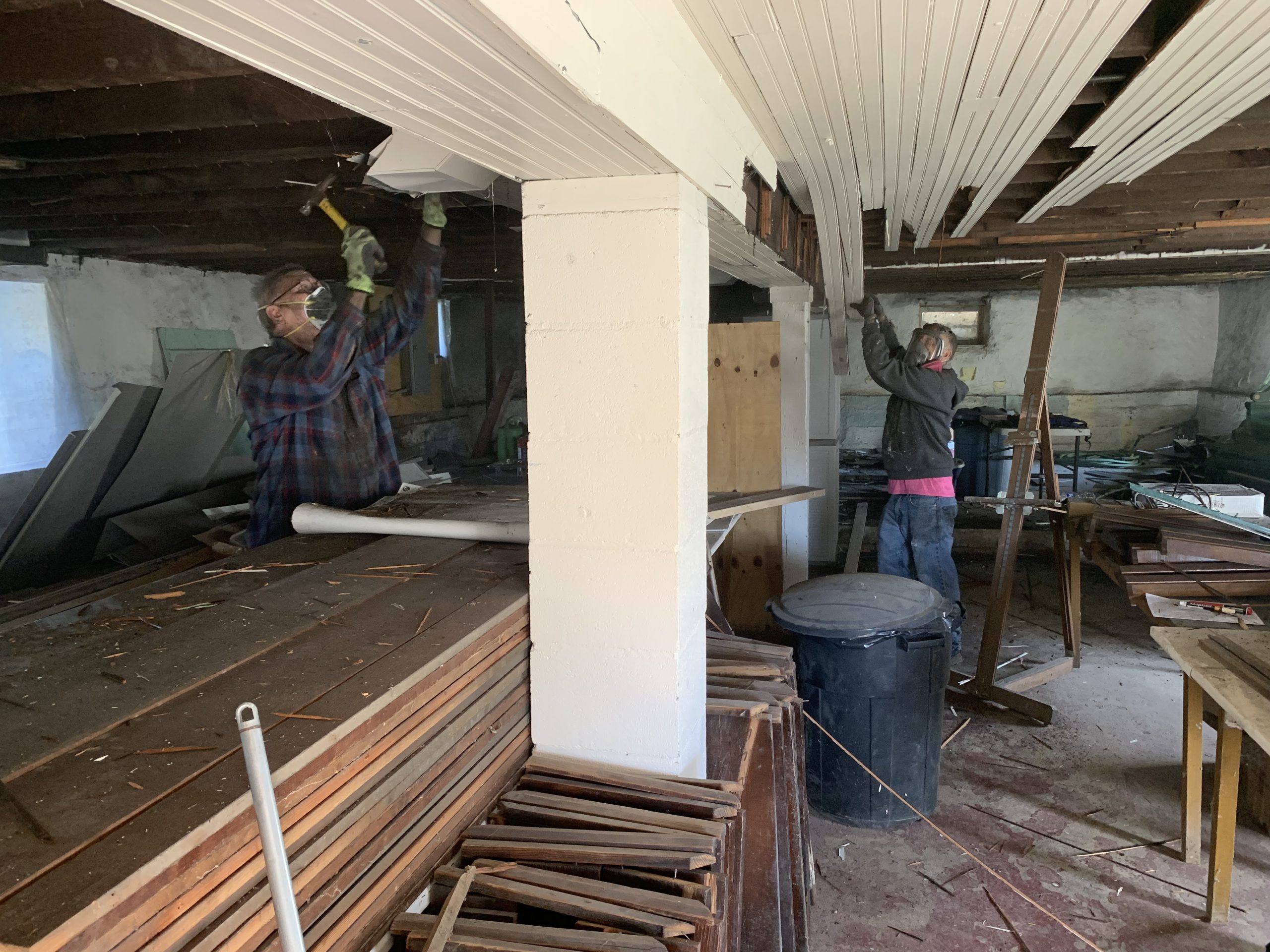
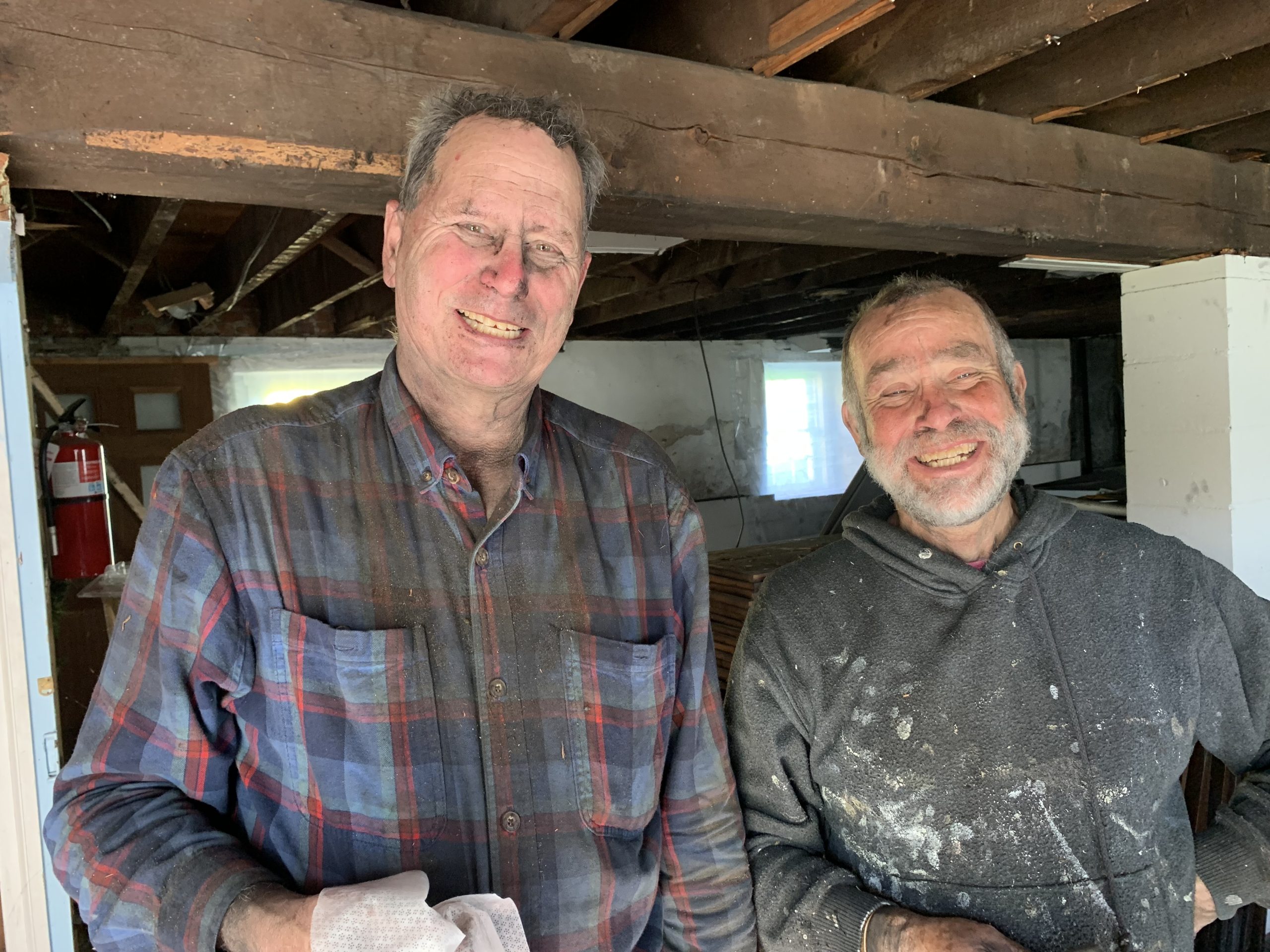
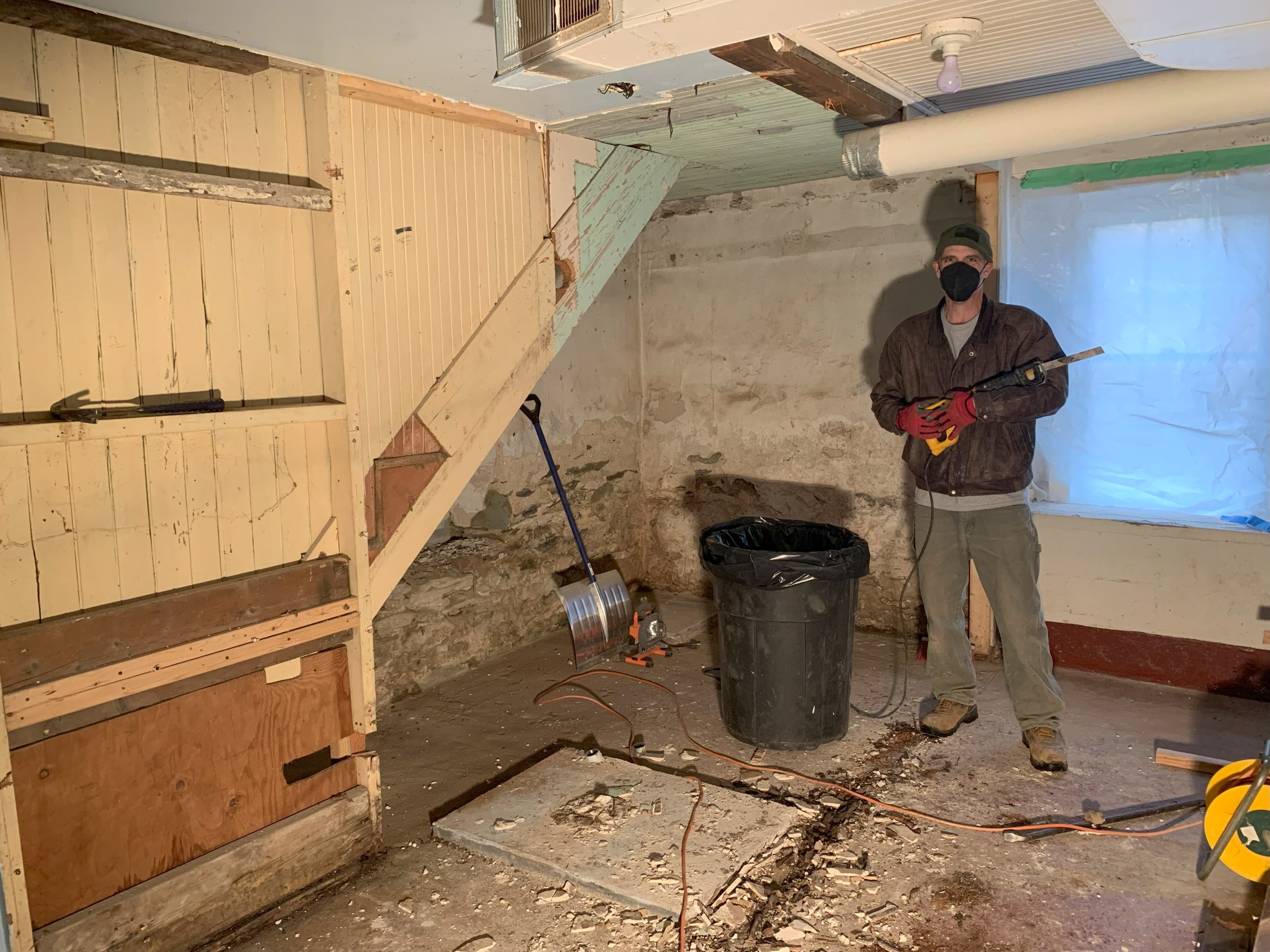
It’s hammer time! Board member Brad Chandler helped us out again by demoing the old bathrooms and interior partition walls on the ground floor. This really opens up the space and gives us a better idea of the space we have to work with.
Windows reflect the architectural style and design of a building, and they are an essential part of a building’s character. Restoring old windows is important for historic buildings because it maintains the authenticity and integrity of the building. The Foundation invested in a careful restoration of the original church windows.
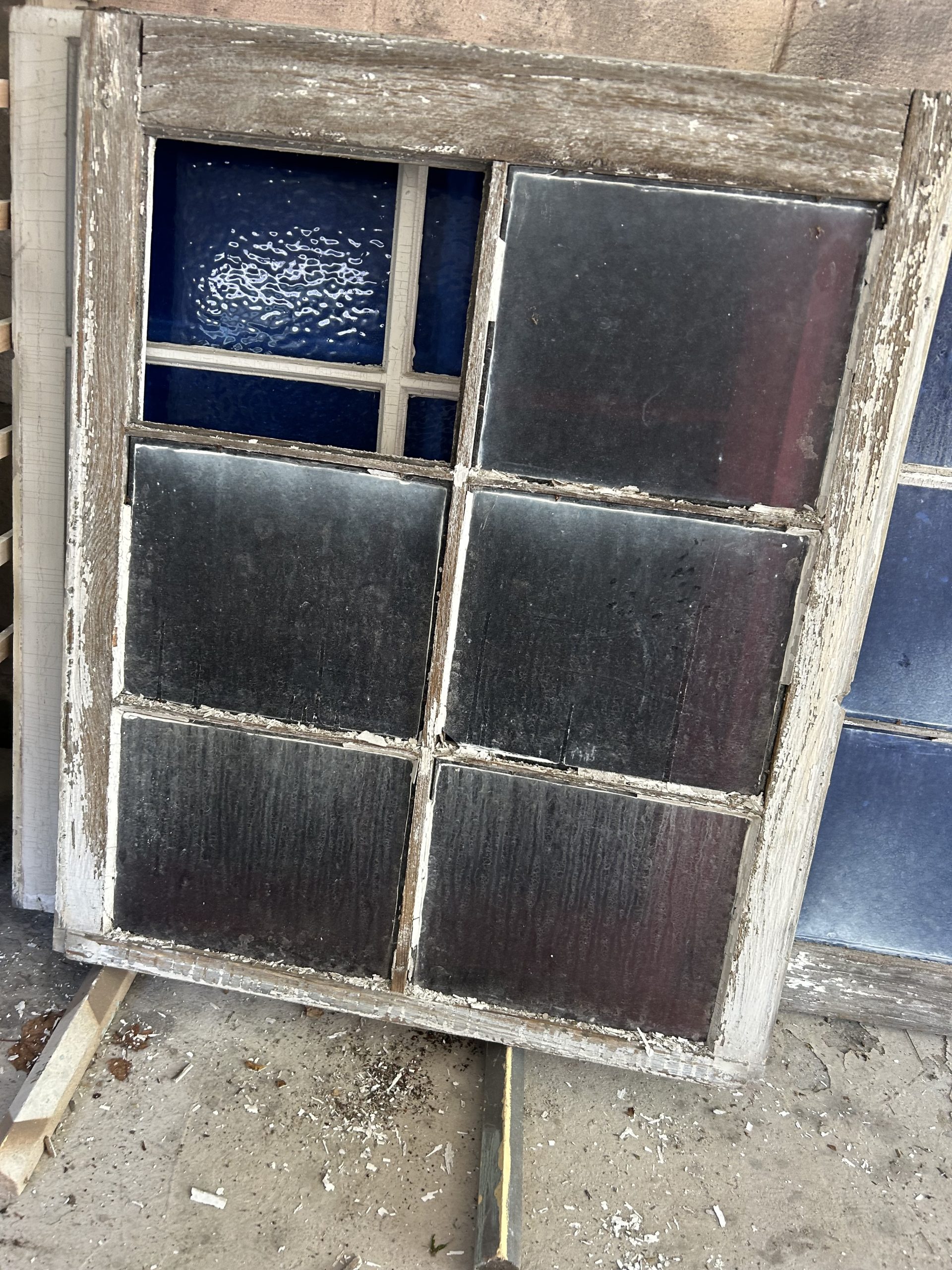
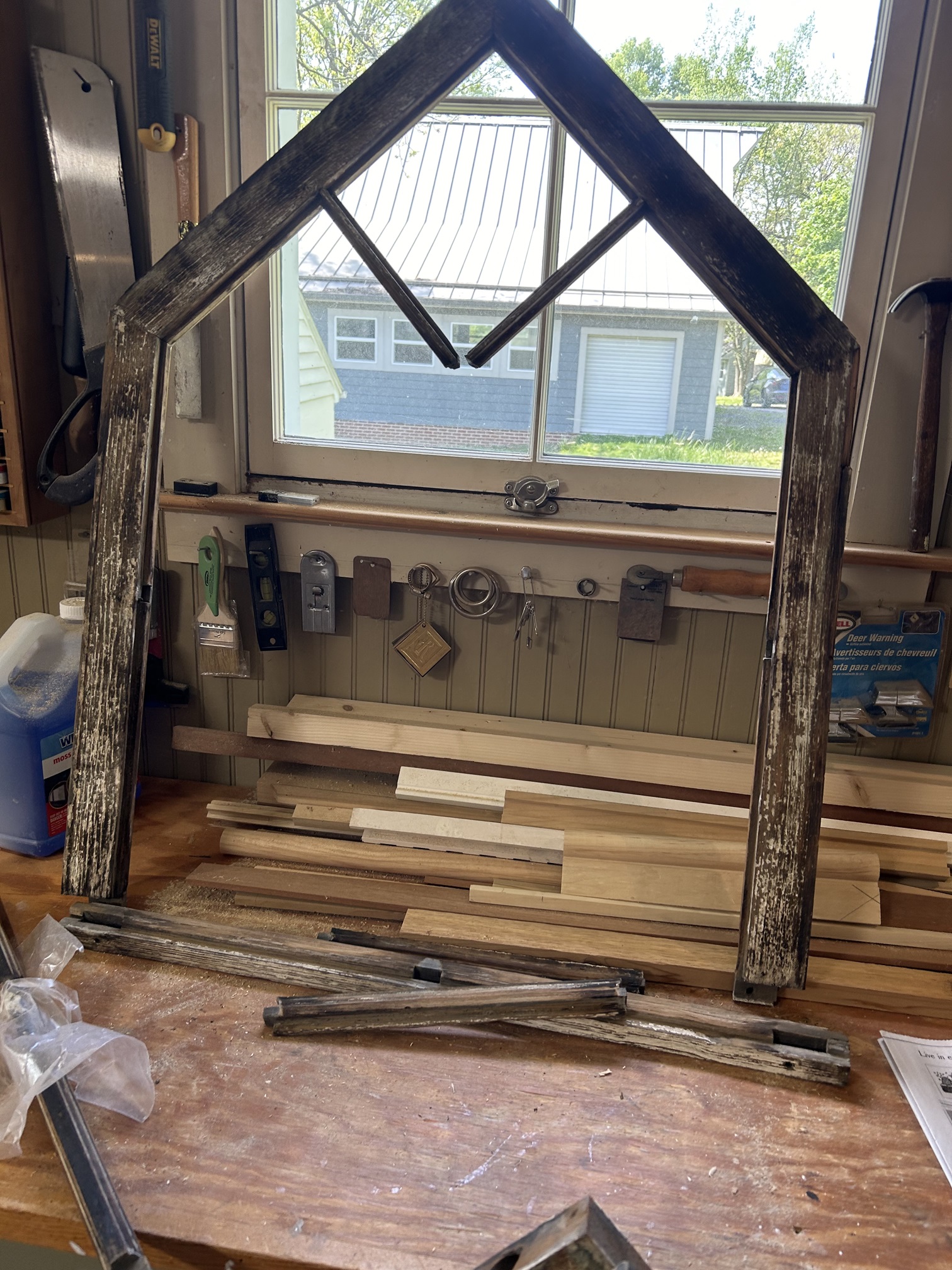
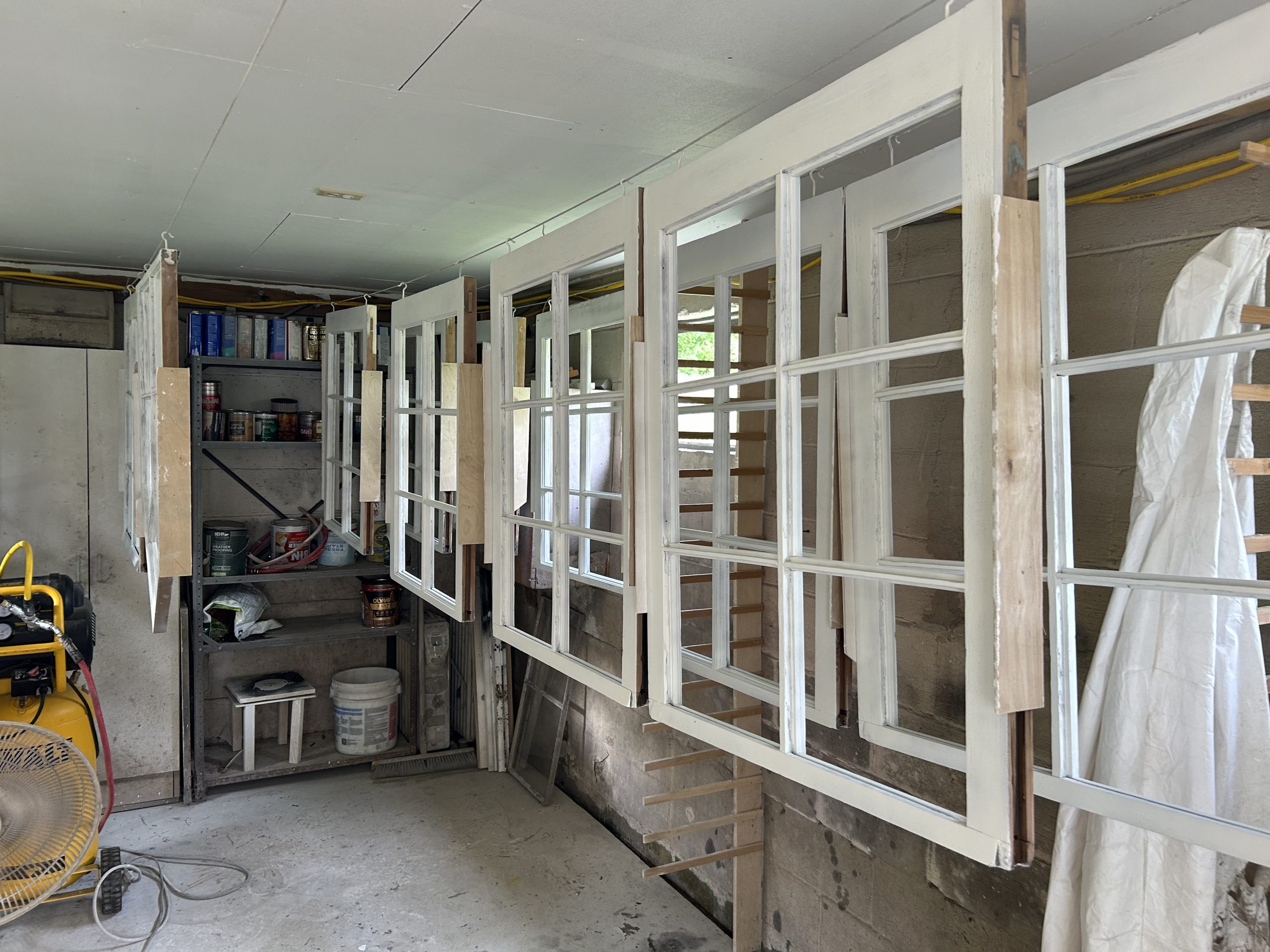
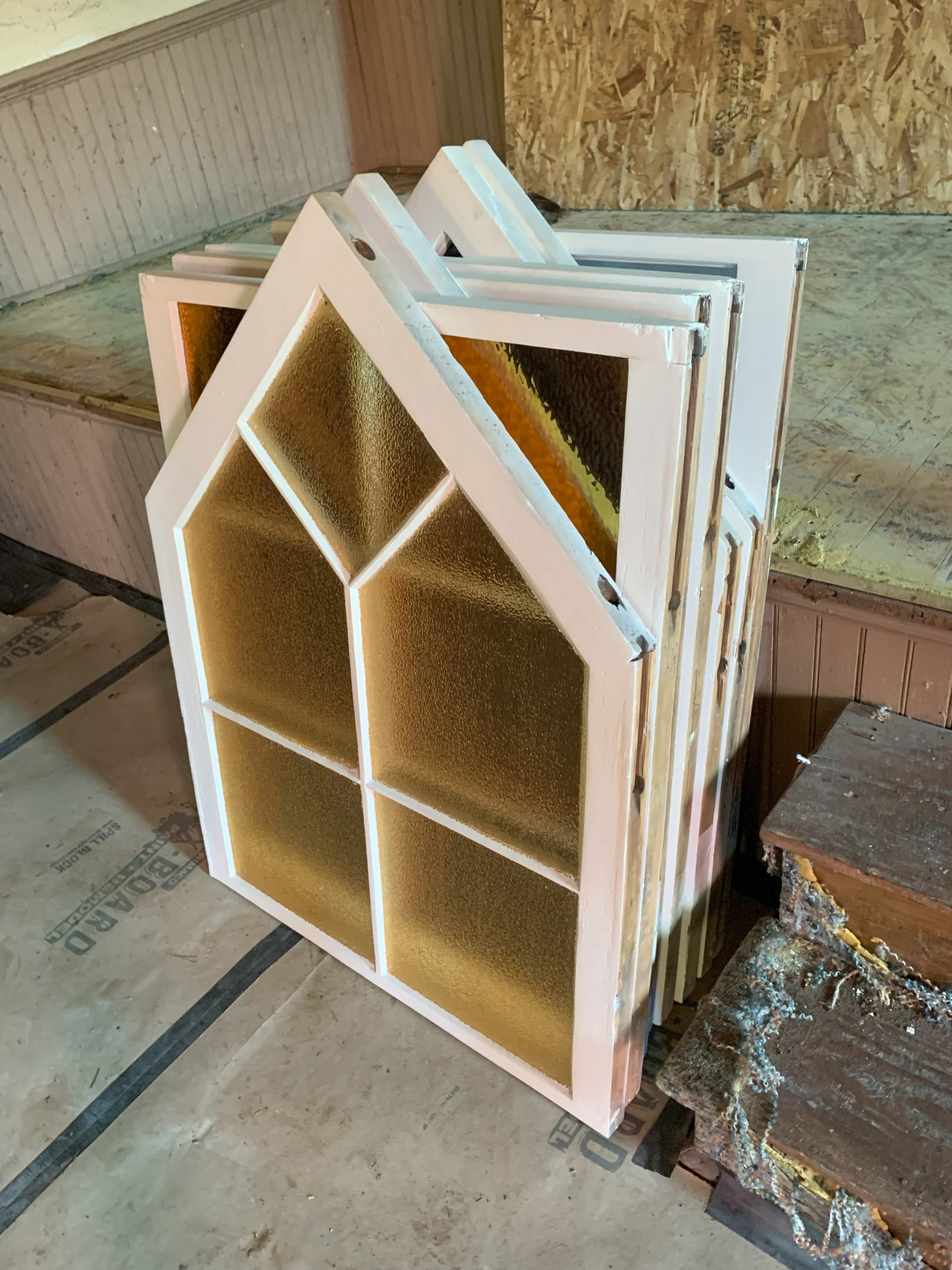
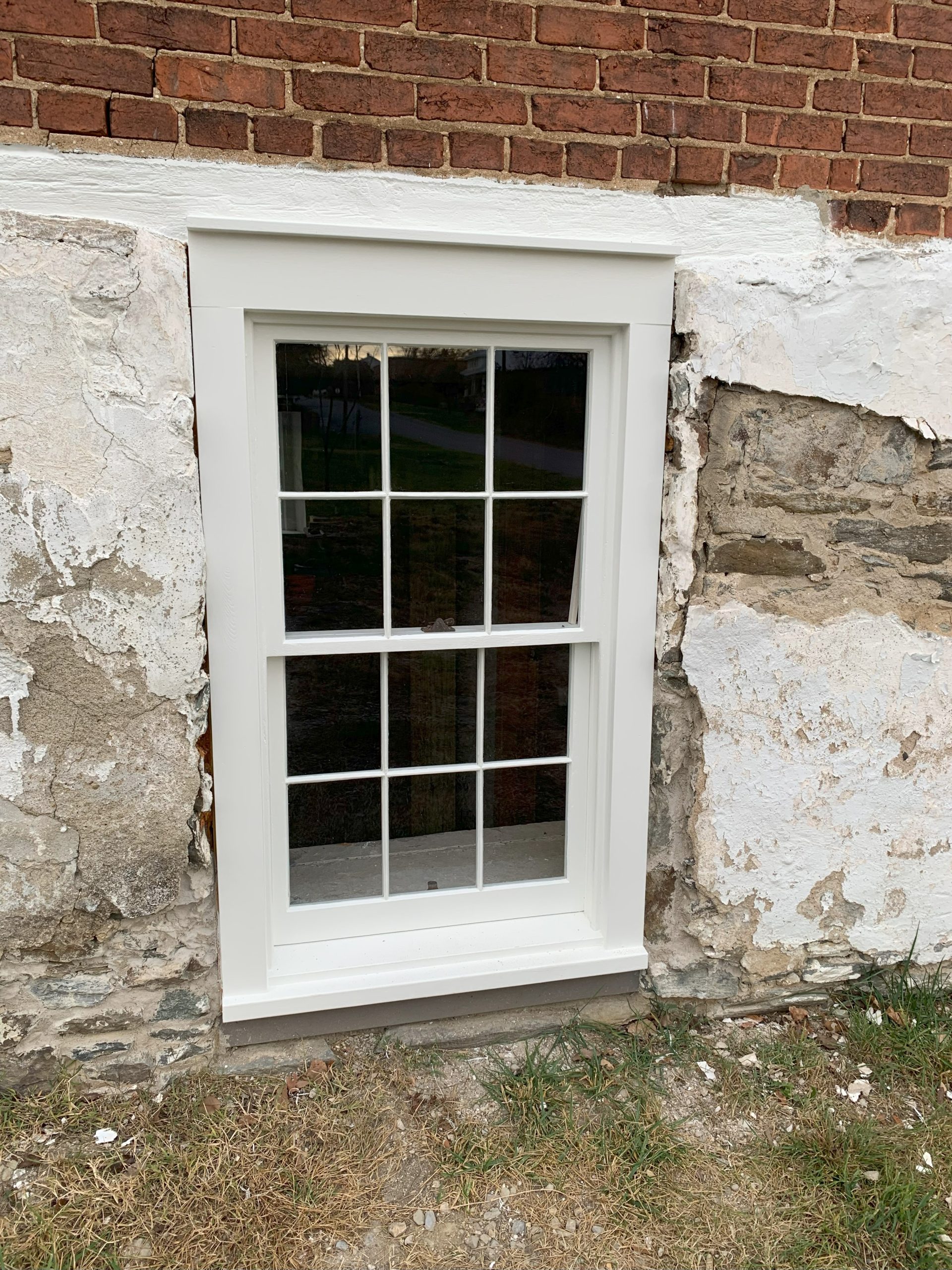
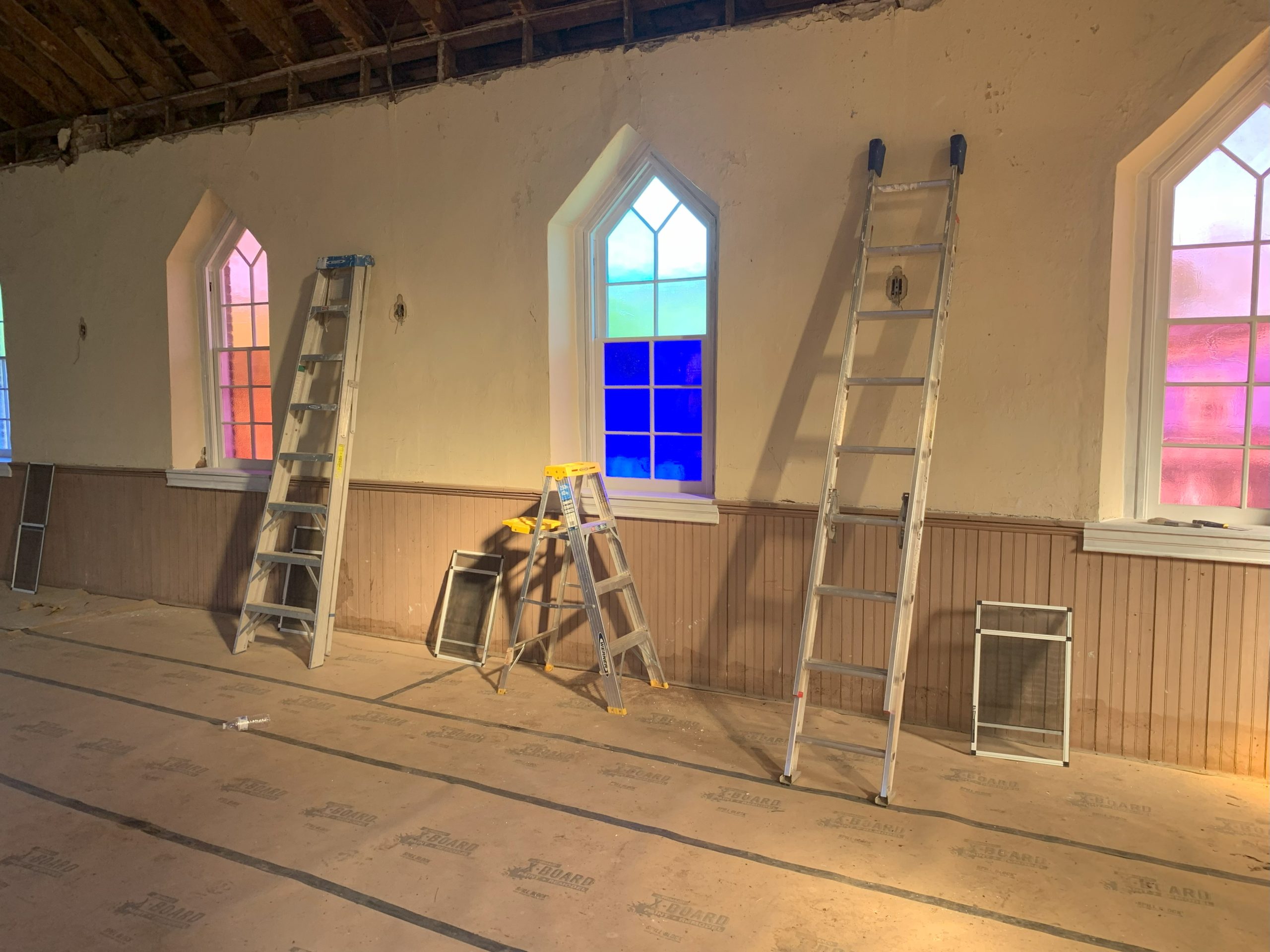
This project has been funded in part by a Saving Black Churches grant from the National Trust for Historic Preservation.
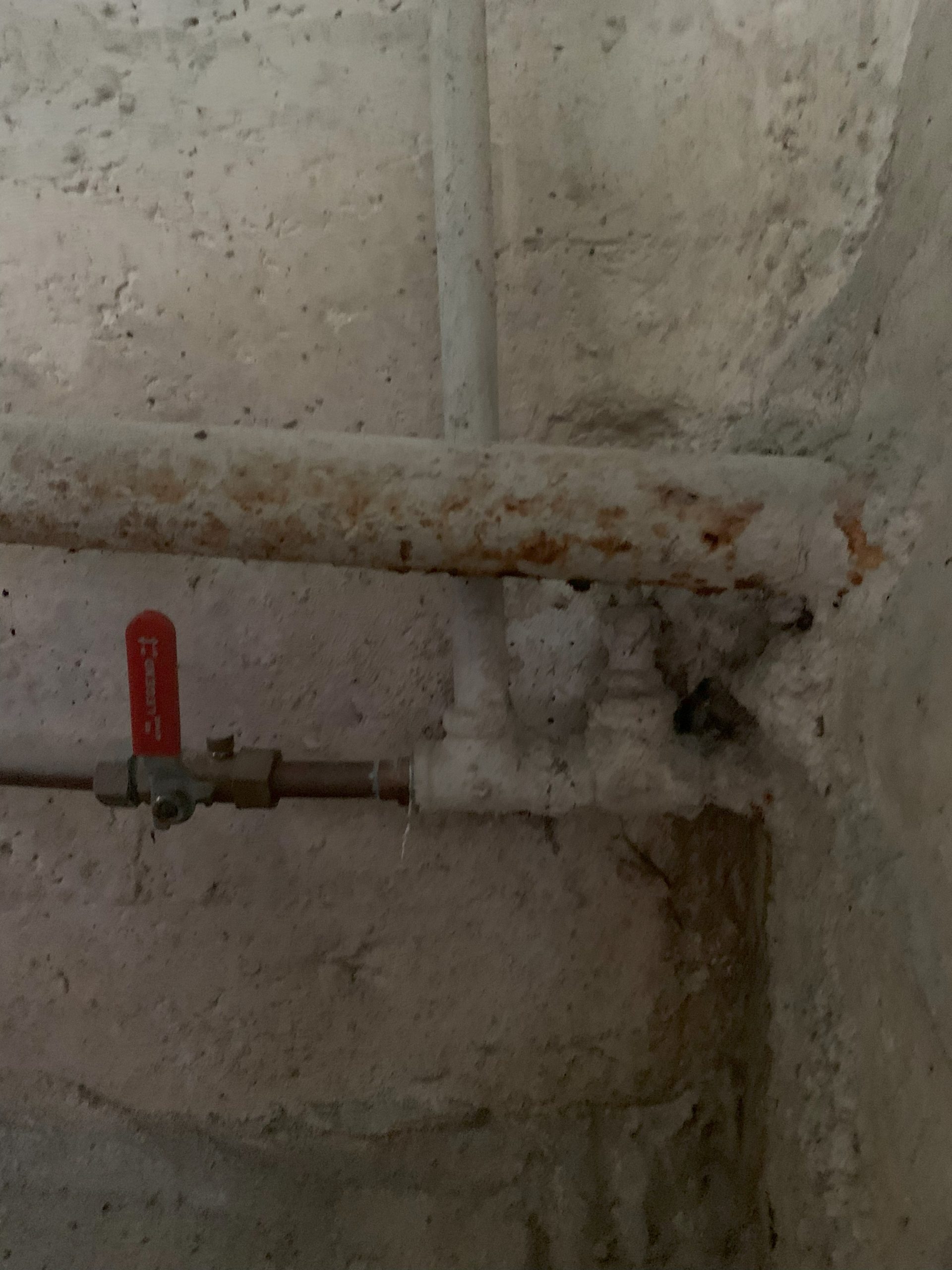
In order to prepare for the repointing and reparging of the building exterior, we needed an on-site source for pressurized water. So we took the first step by removing the old plumbing from the church kitchen and installing a new water supply line to the meter.
After 100+ years, the slate on the church gables was nearing the end of its service life. Several shingles were missing or broken allowing bats and pigeons to enter the attic and sanctuary. With financial assistance from the National Trust for Historic Preservation, the Corporation of Harpers Ferry and the Eastern West Virginia Community Foundation’s Two Rivers Giving Circle, the Foundation was able to remove the old shingles, install new plywood sheathing and building wrap, and install new slate shingles on both the front and rear gables of the church. Here’s to another 100 years!

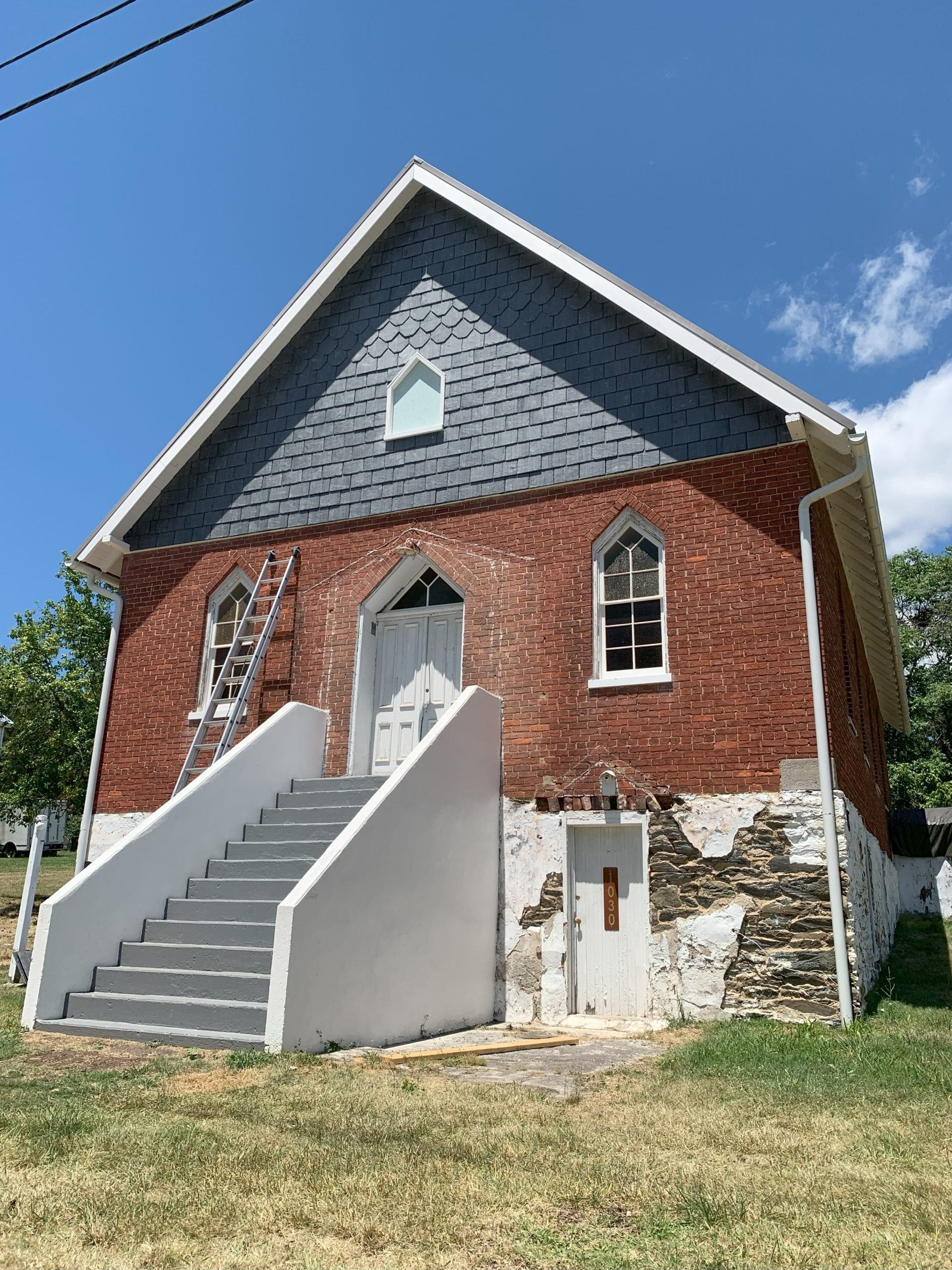
This project has been funded in part by a grant from the Eastern West Virginia Community Foundation -Two Rivers Giving Circle Fund.
To mice, bats are angels. But to us, not so much. One of the things that had been hanging over our heads (literally) was a colony of bats that, for years, had made the attic of First Zion their home. Many thousands of pounds of bat guano were removed from the attic by the intrepid crew from Mid-Atlantic Wildlife Control. Unfortunately, the original beadboard ceiling was so saturated from above, it had to be removed. Once we are able to run new wiring and fire suppression through the attic and insulate, we hope to install a handsome new beadboard ceiling to replicate the original.
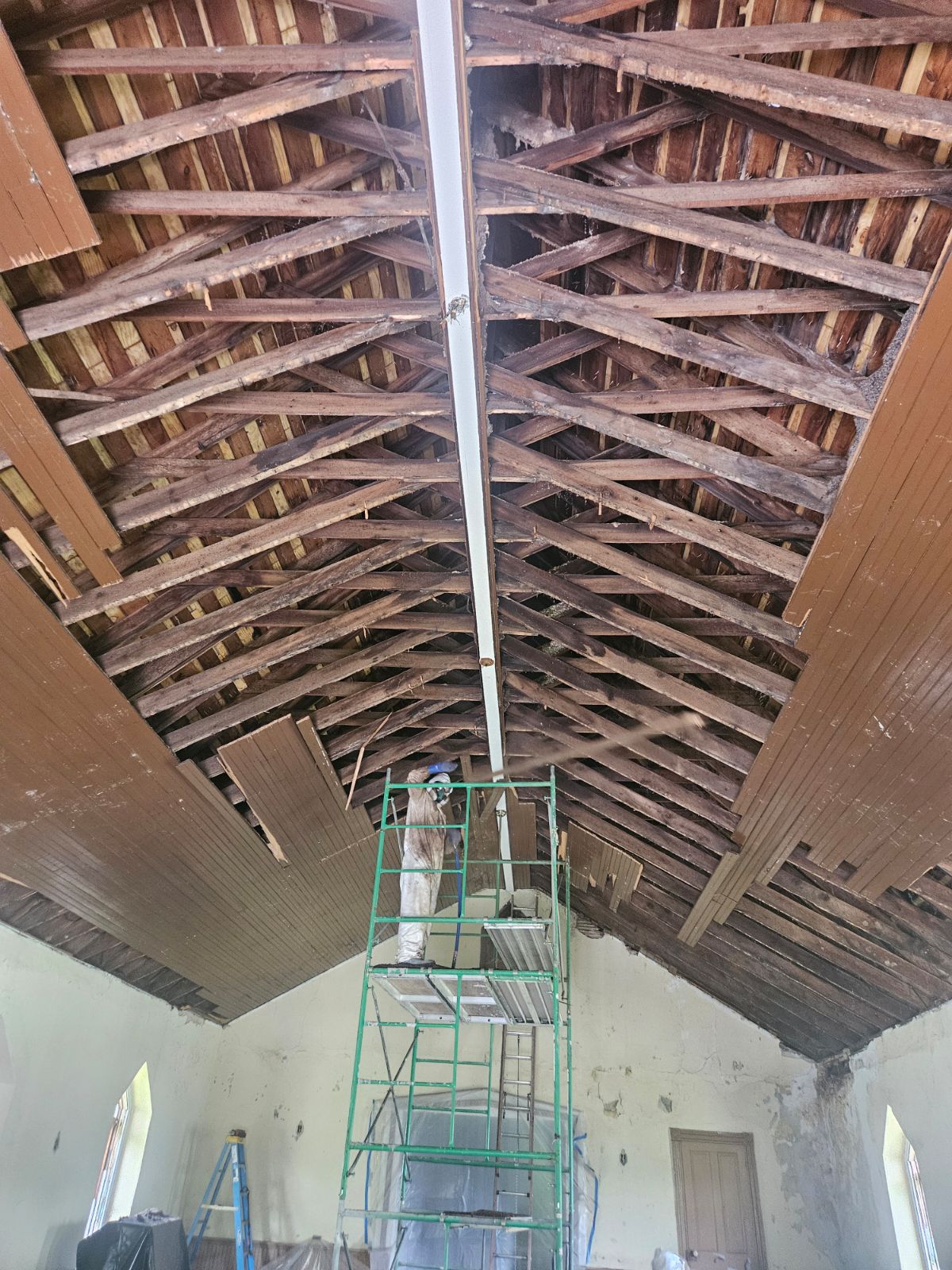
This project has been funded in part by a grant from the Cynthia Woods Mitchell Fund for Historic Interiors of the National Trust for Historic Preservation.
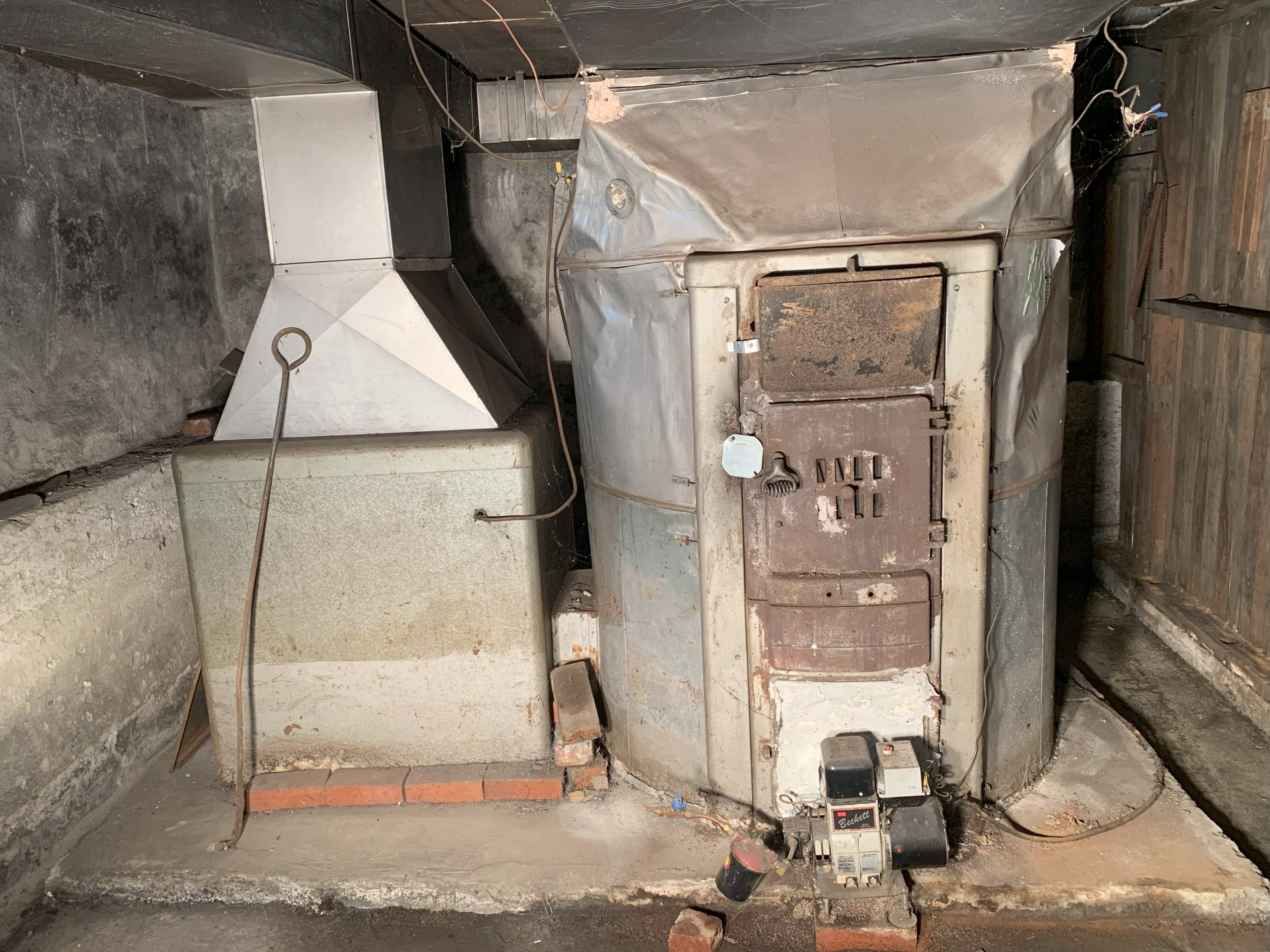
The substantial iron furnace filled a corner of the basement and was, at some point in the past, converted from coal to oil. The lining of the furnace was the only asbestos found during the hazardous materials survey. We opted to remove the furnace with the goal of installing a more energy efficient HVAC system in the future.
The Foundation is very grateful to the Mills Group for providing pro-bono concept drawings for First Zion. Their professional renderings have inspired the Foundation with their creativity and beauty!

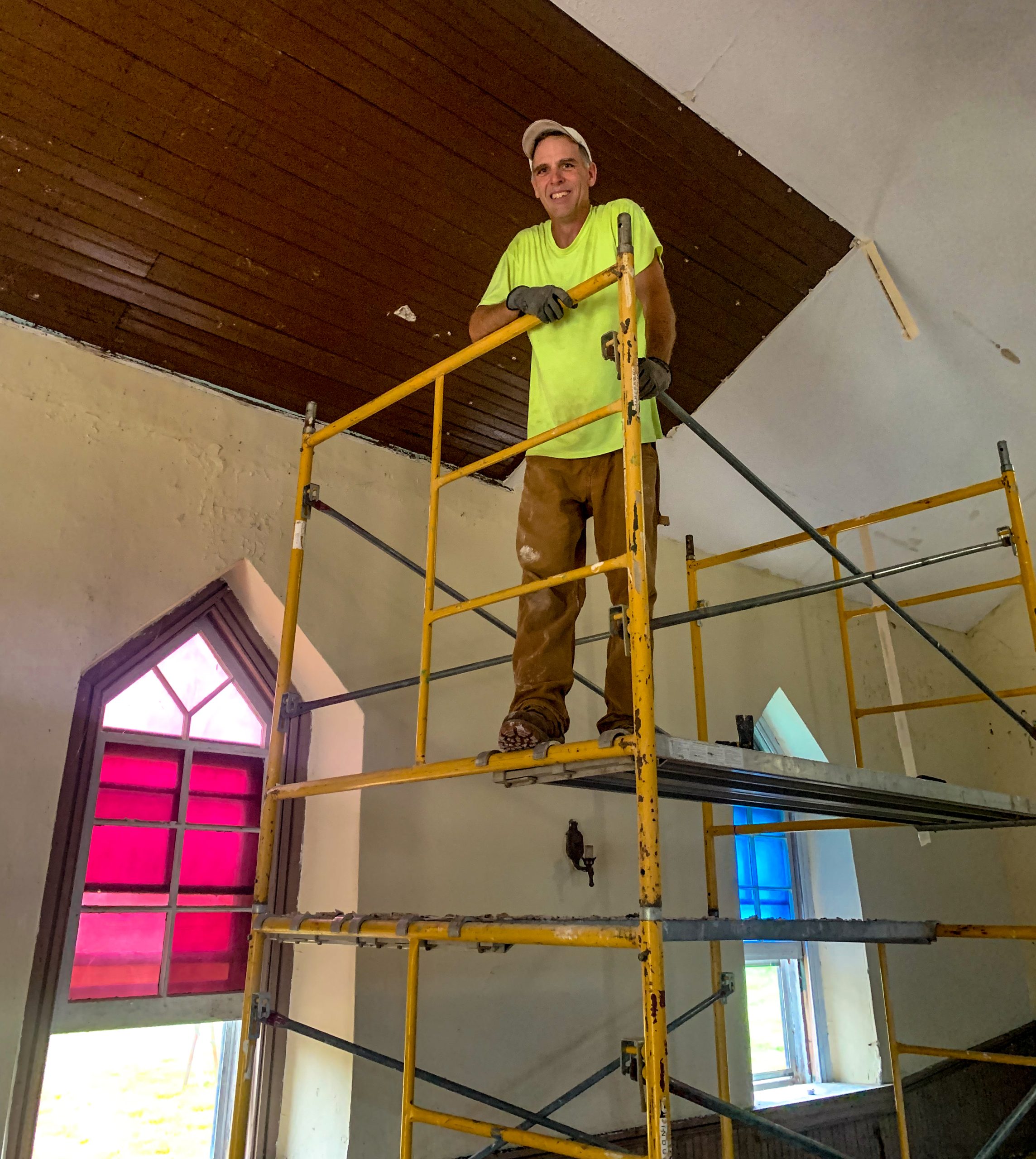
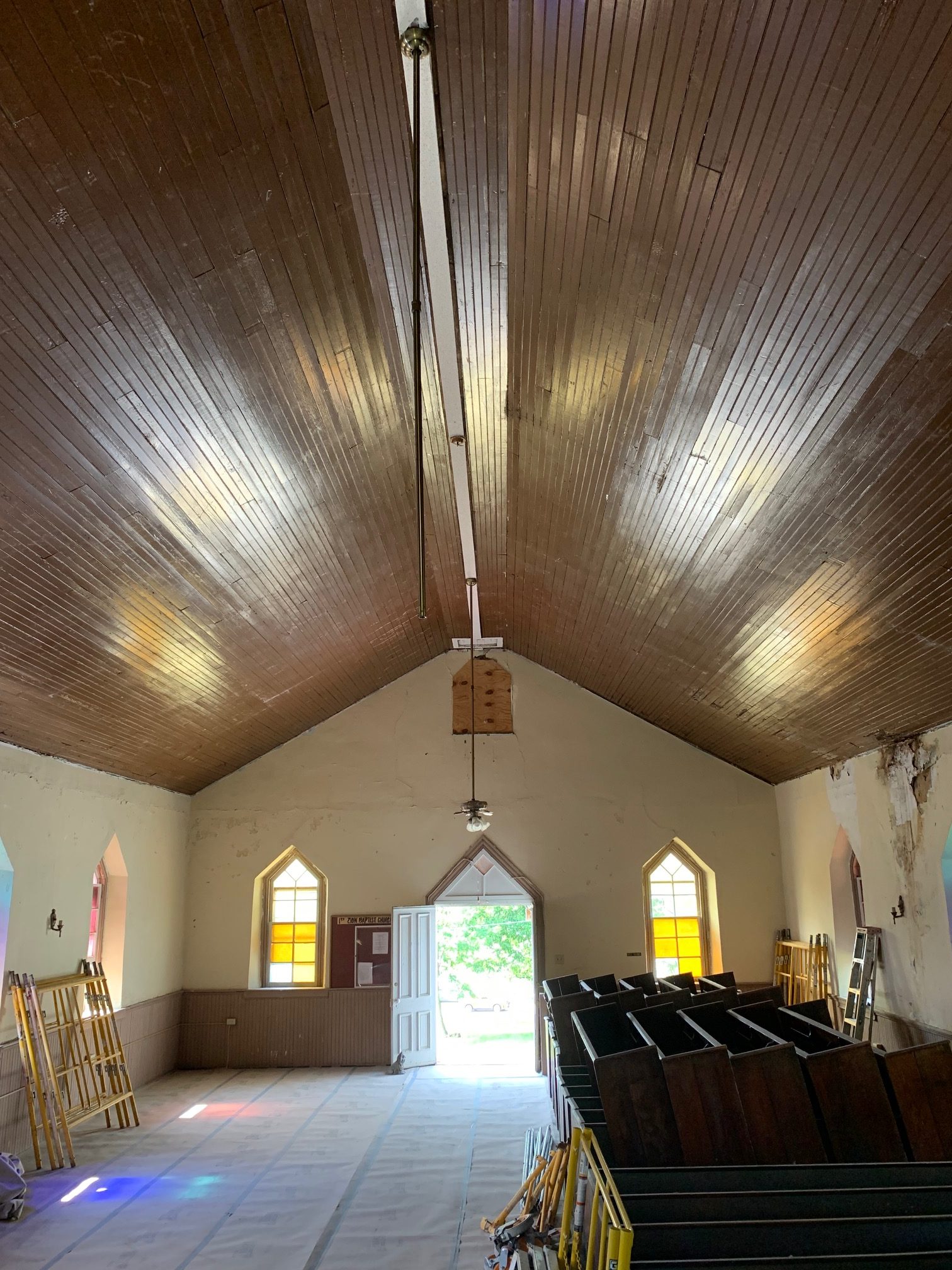
Water damage to the drywall ceiling in the sanctuary gave us a tantalizing peek at the original wooden ceiling hidden beneath. Was it still intact? Local tradesman, Brad Chandler, removed the drywall to expose the original ceiling. Thankfully, the handsome bead board ceiling beneath the drywall was largely intact.

The weathered concrete front steps were due a refresh. Beneath the contemporary red steps, we found the original gray color of the steps. After scraping, sanding, patching, priming and painting, the steps are back in service.


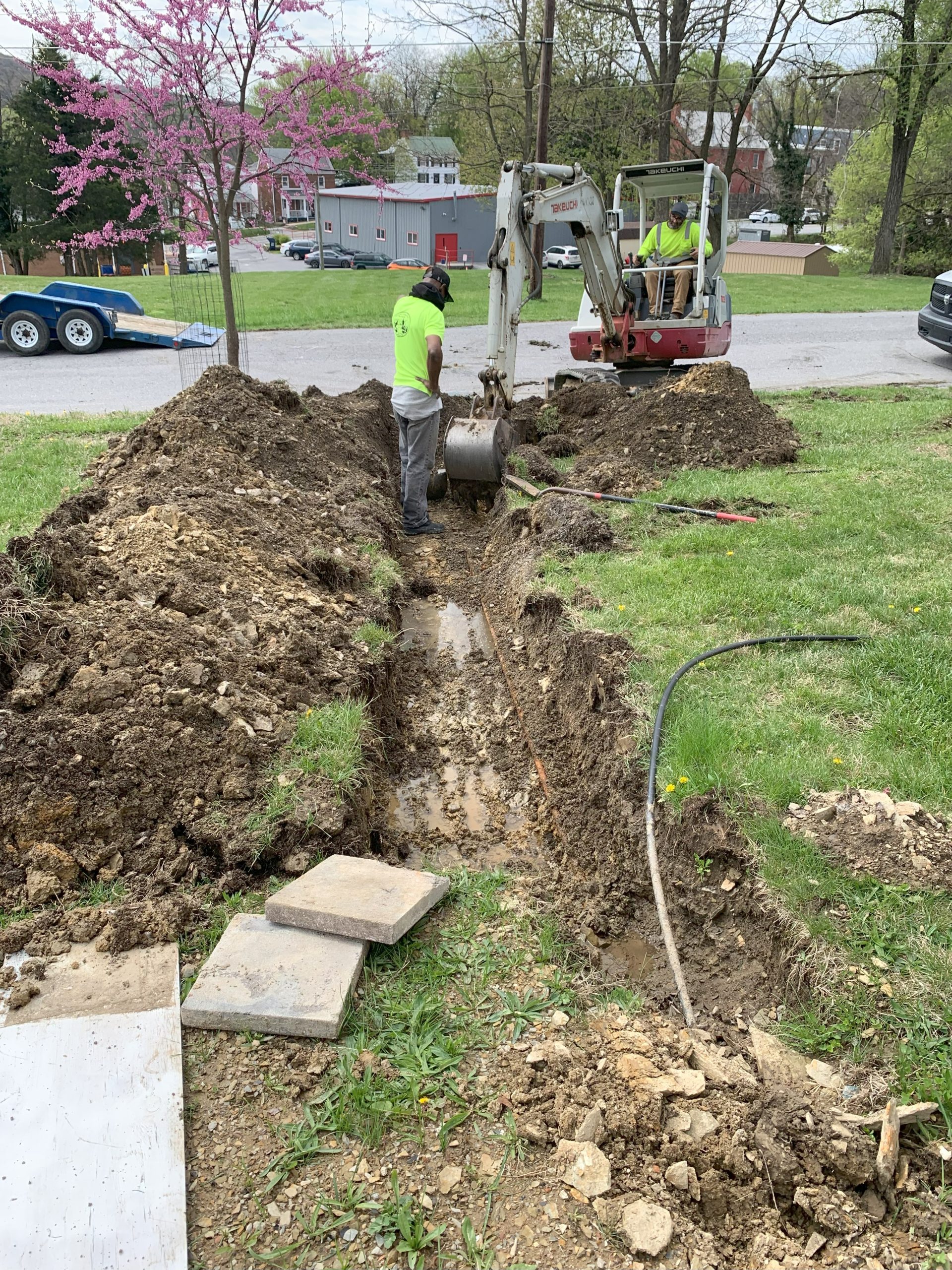
We were able to eliminate the unsightly overhead power lines from the front facade of the church, move the connection to a less conspicuous location and bury the power line from the street. A reliable new panel has been installed on the interior basement wall where the old oil tank once stood.
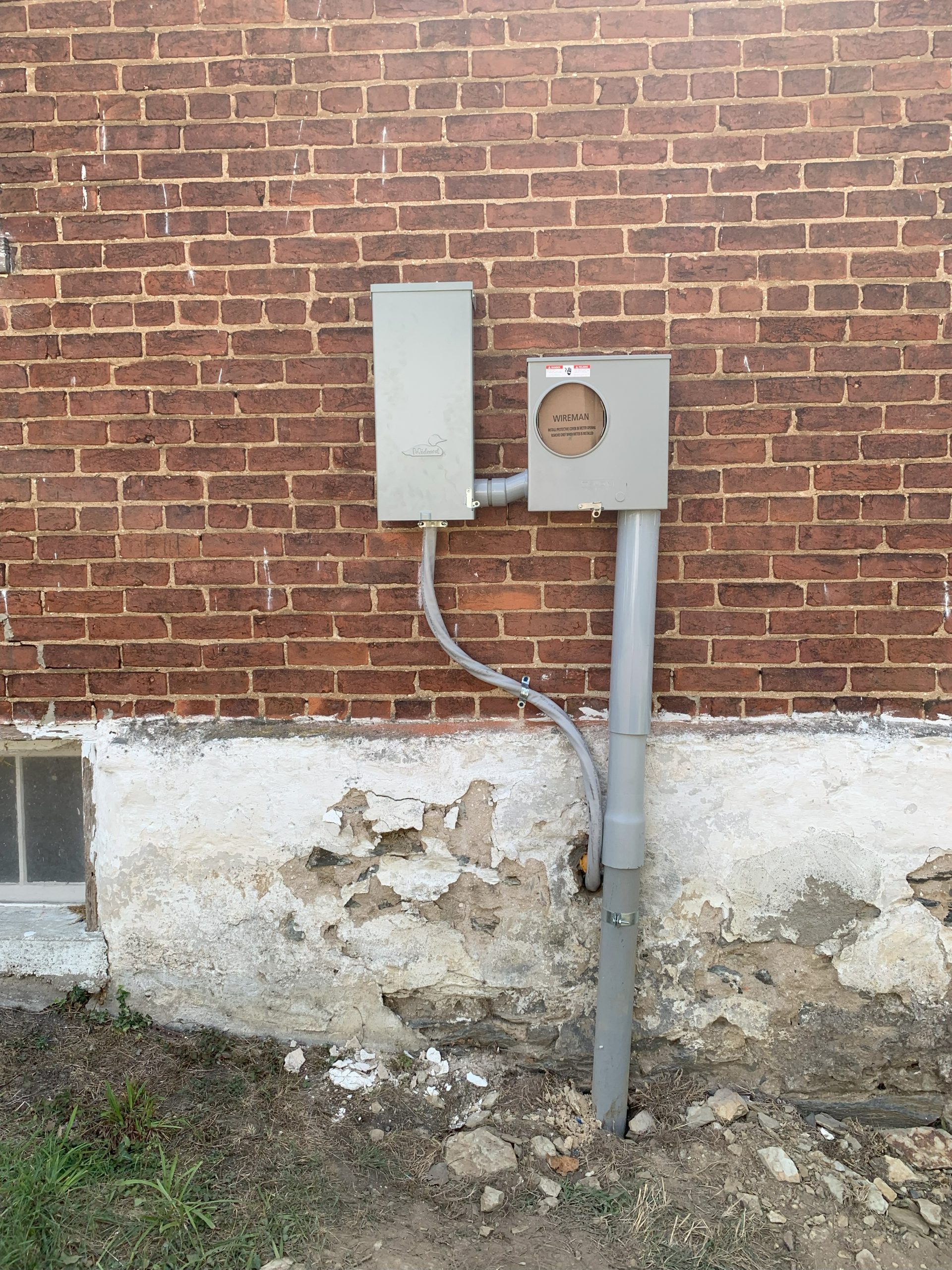
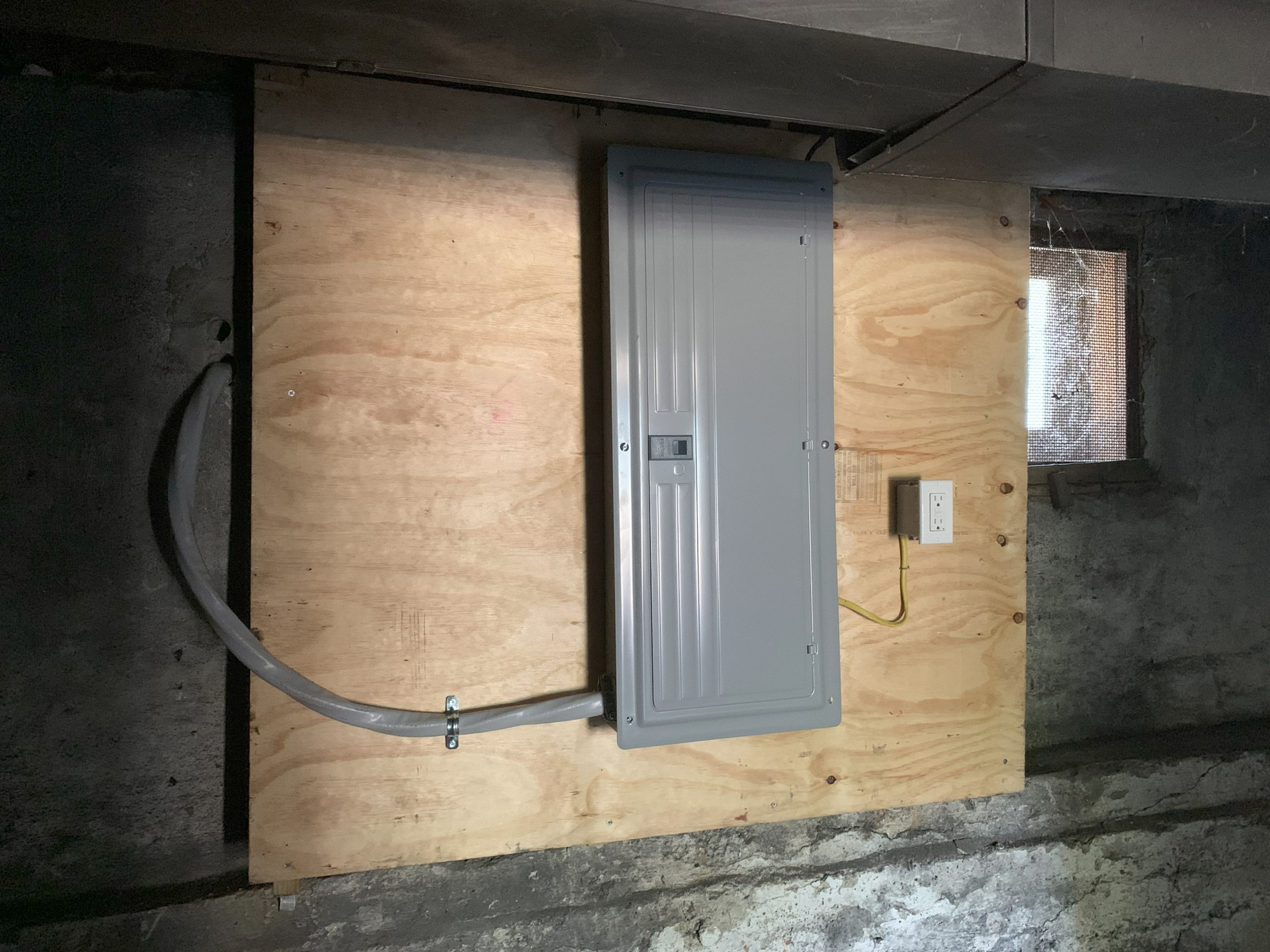
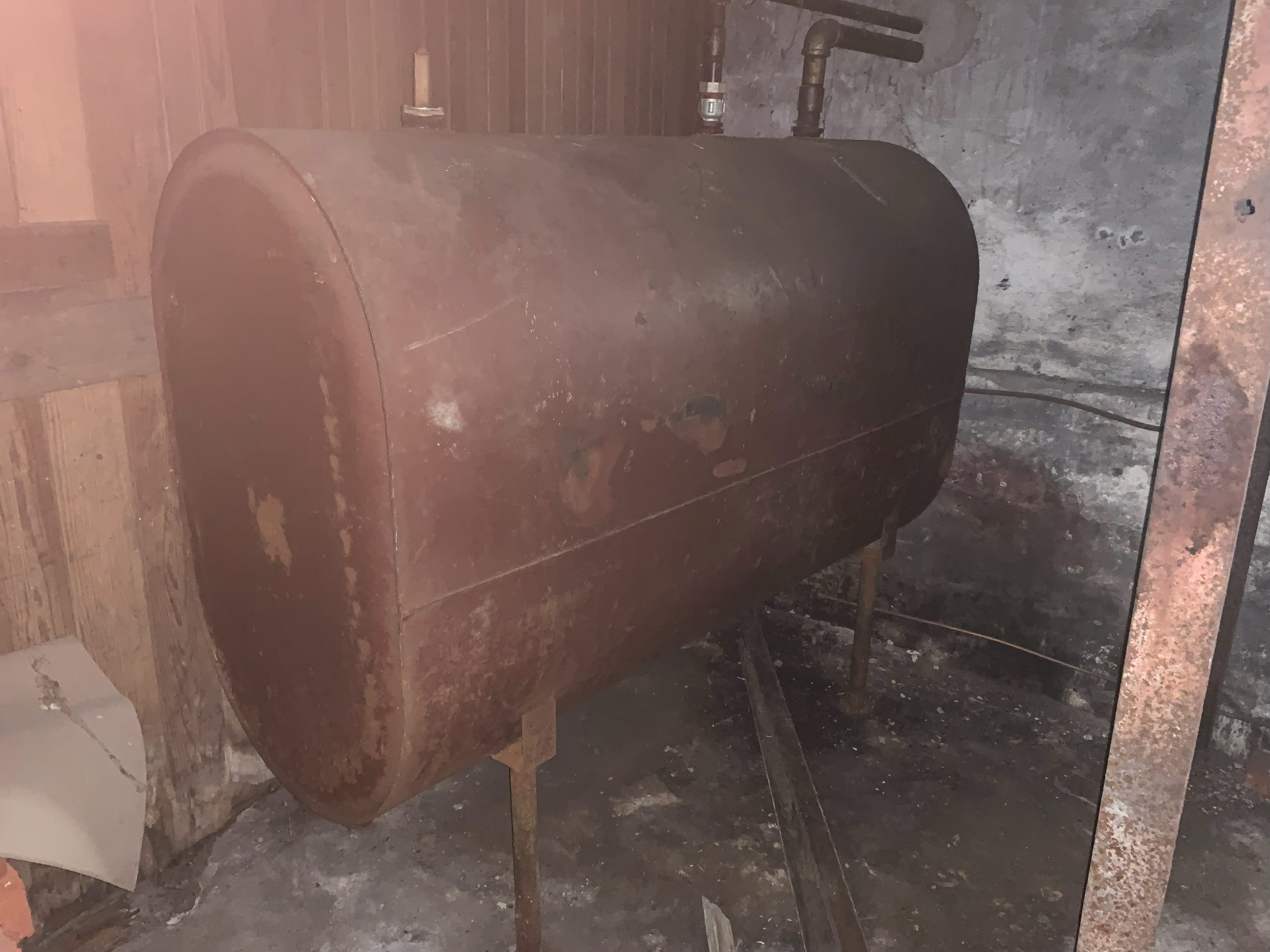
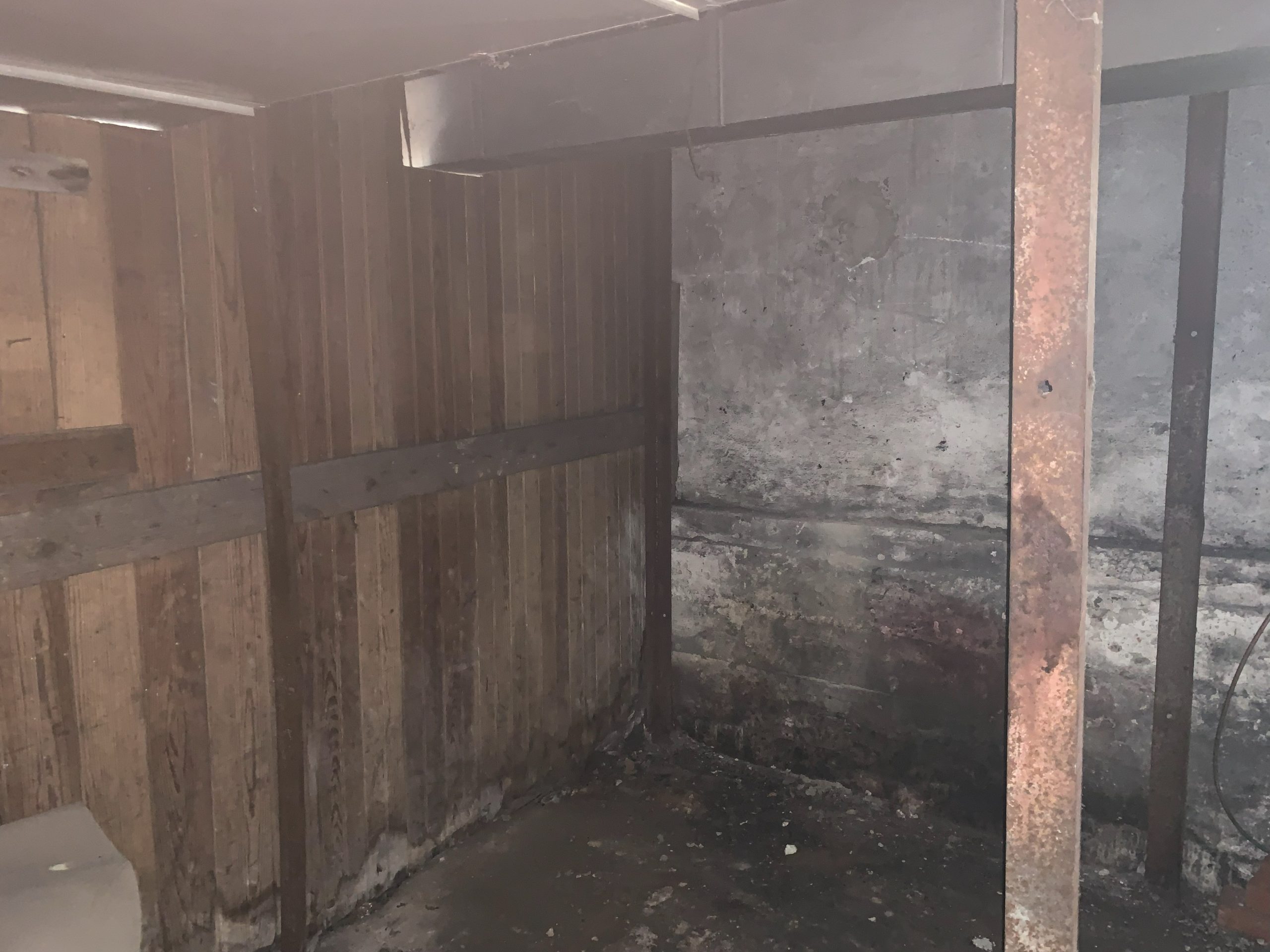
An obsolete oil tank had to be removed from the basement to make way for renovations. With the oil tank removed, time to bring in the new electrical service!

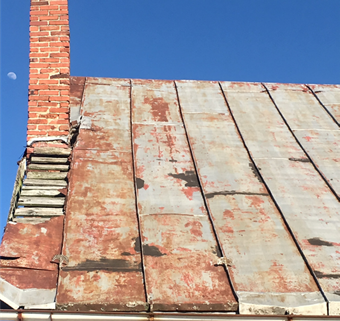
One of our earliest priorities was to stop leaks that were damaging the interior of the church. The original standing-seam metal roof was well beyond its service life. With a generous grant from the West Virginia State Historic Preservation Office and matching funds from the Corporation of Harpers Ferry, the Foundation was able to replace the roof and guttering with historically accurate materials. The building is now protected by a sound new roof.
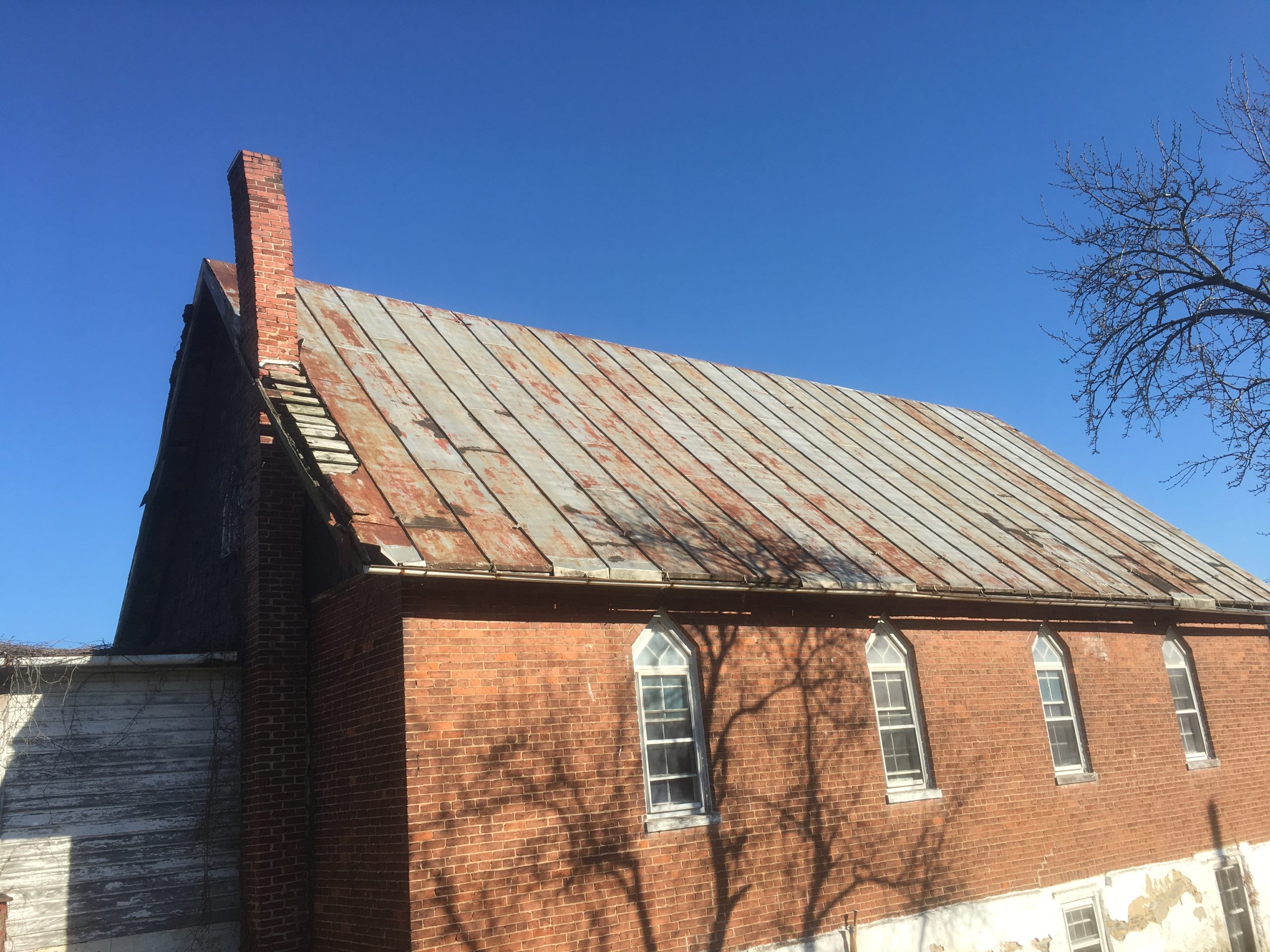

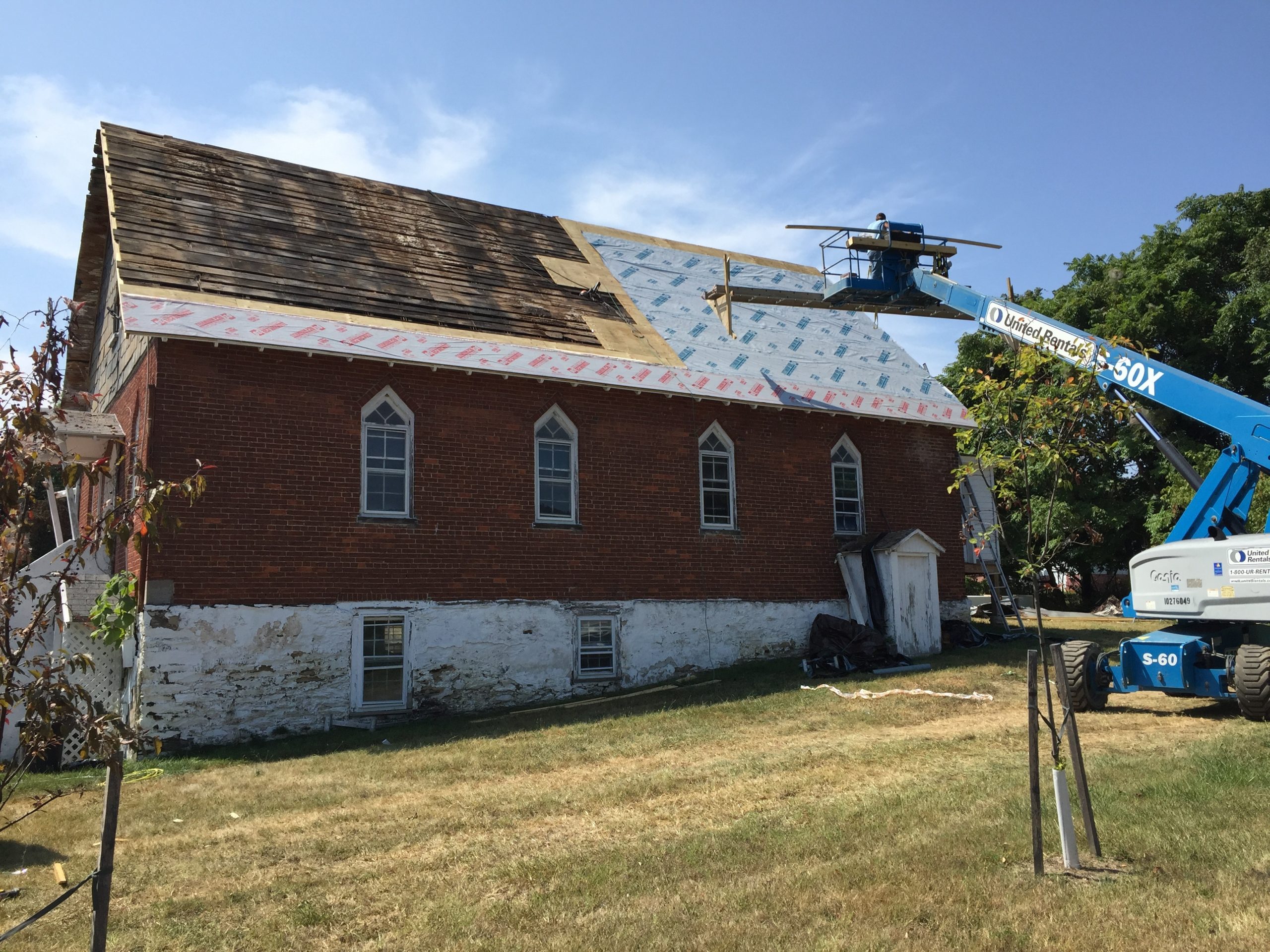
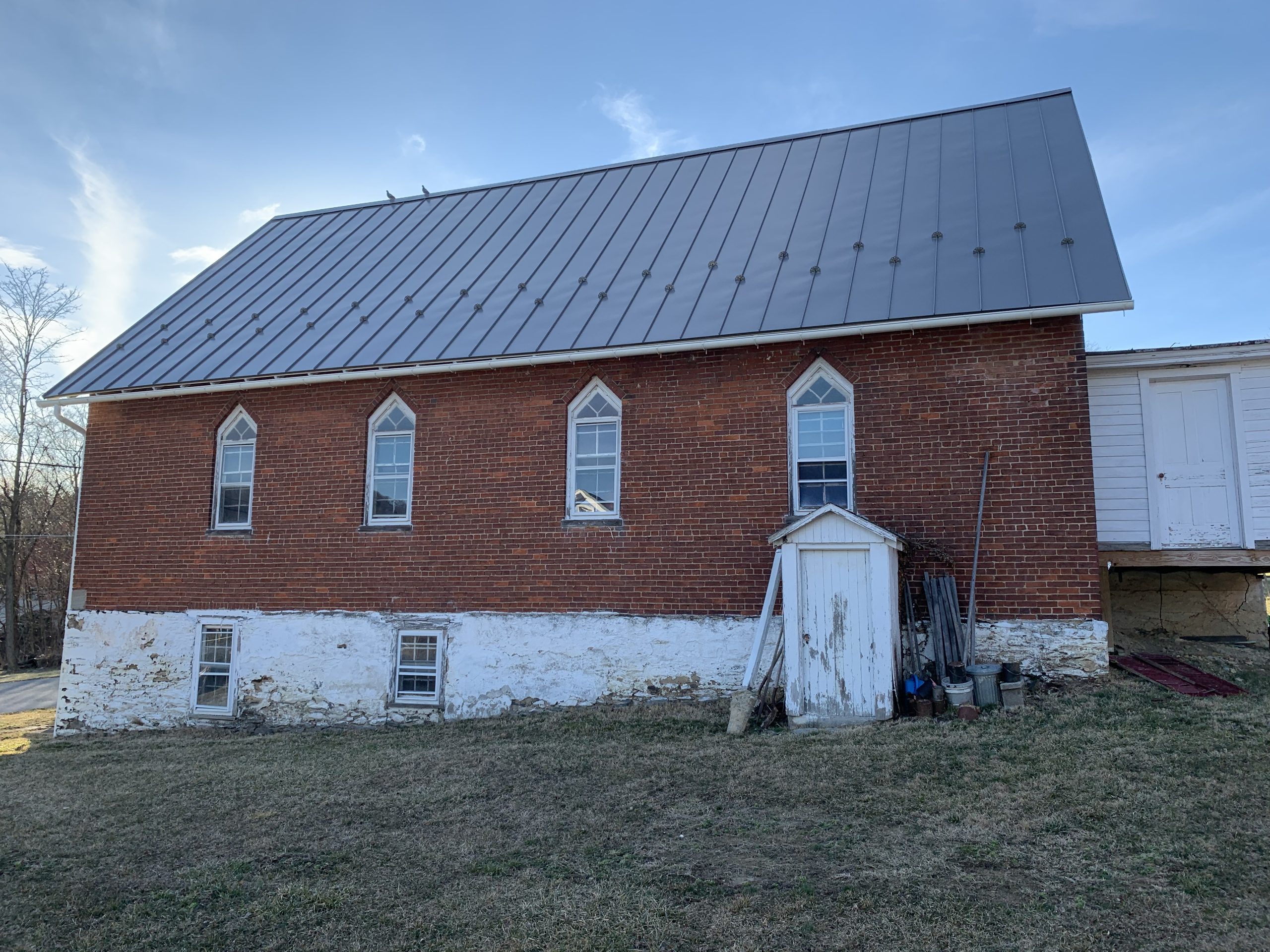
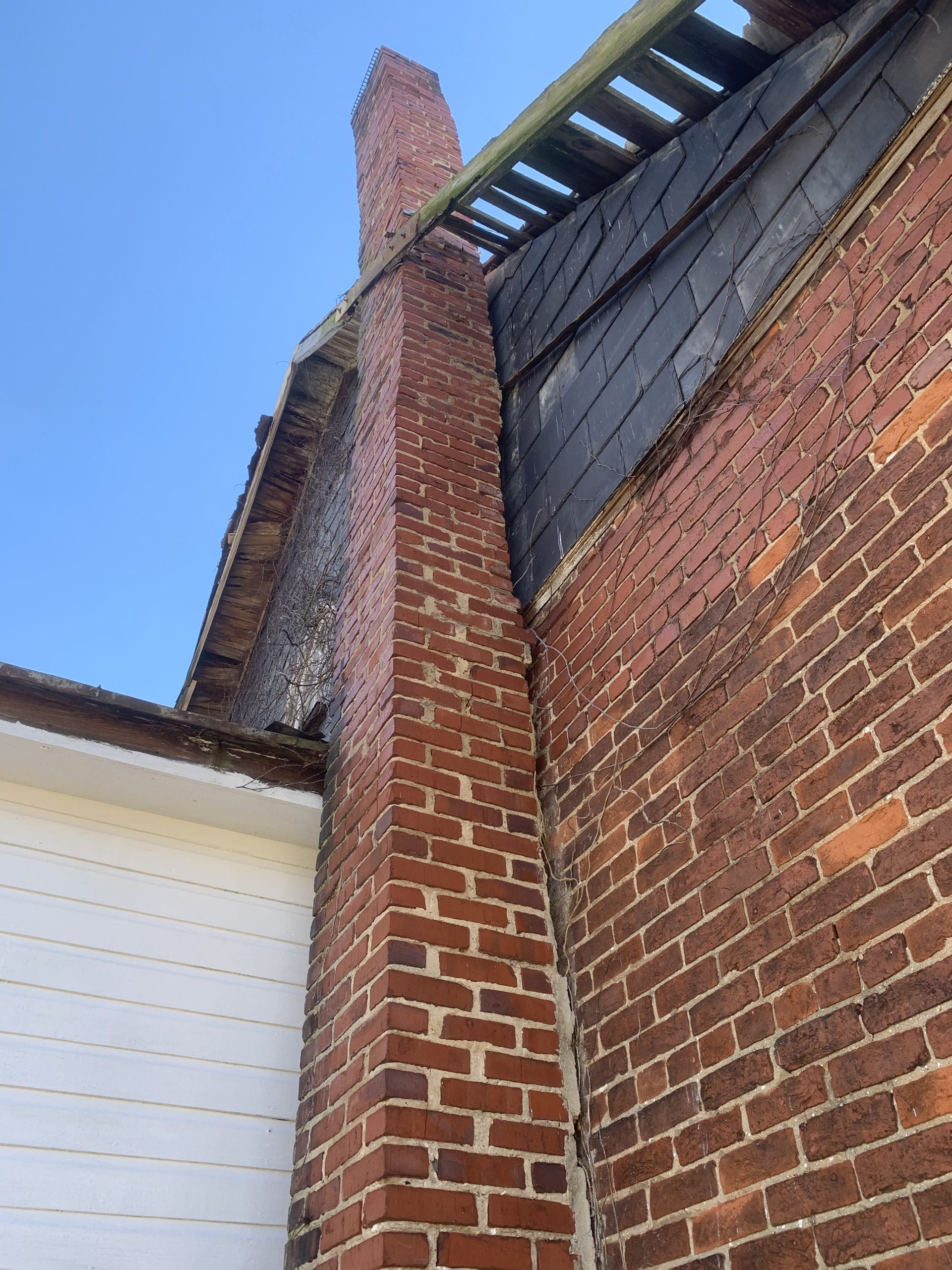
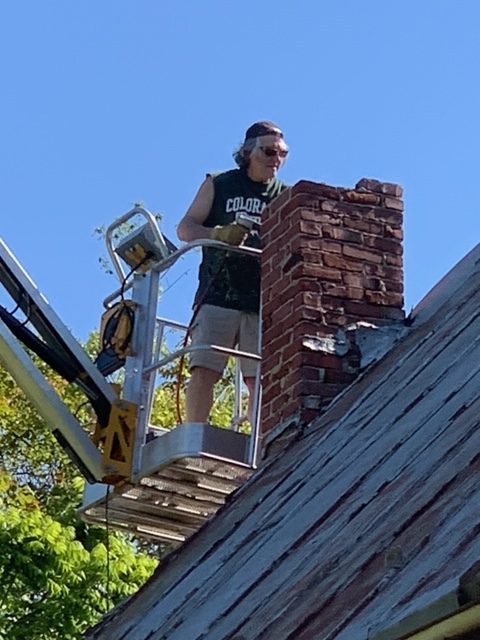
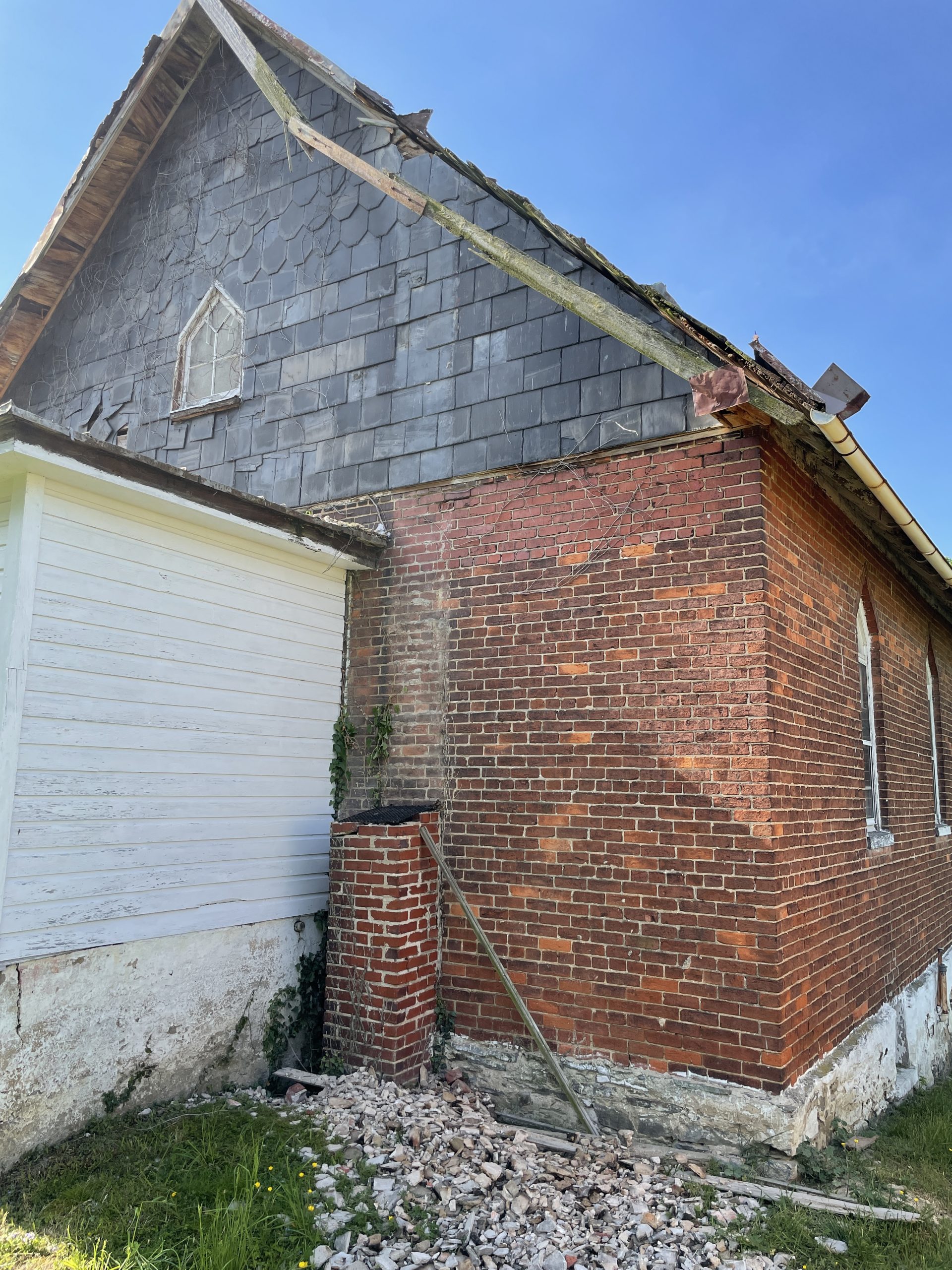
The furnace chimney, a later addition to the building, was pulling away and threatening to collapse. Before we begin working to replace the roof, the chimney has to go! Foundation board member Rob Case took down the chimney brick-by-brick. A shadow of the old chimney is still visible on the exterior wall.
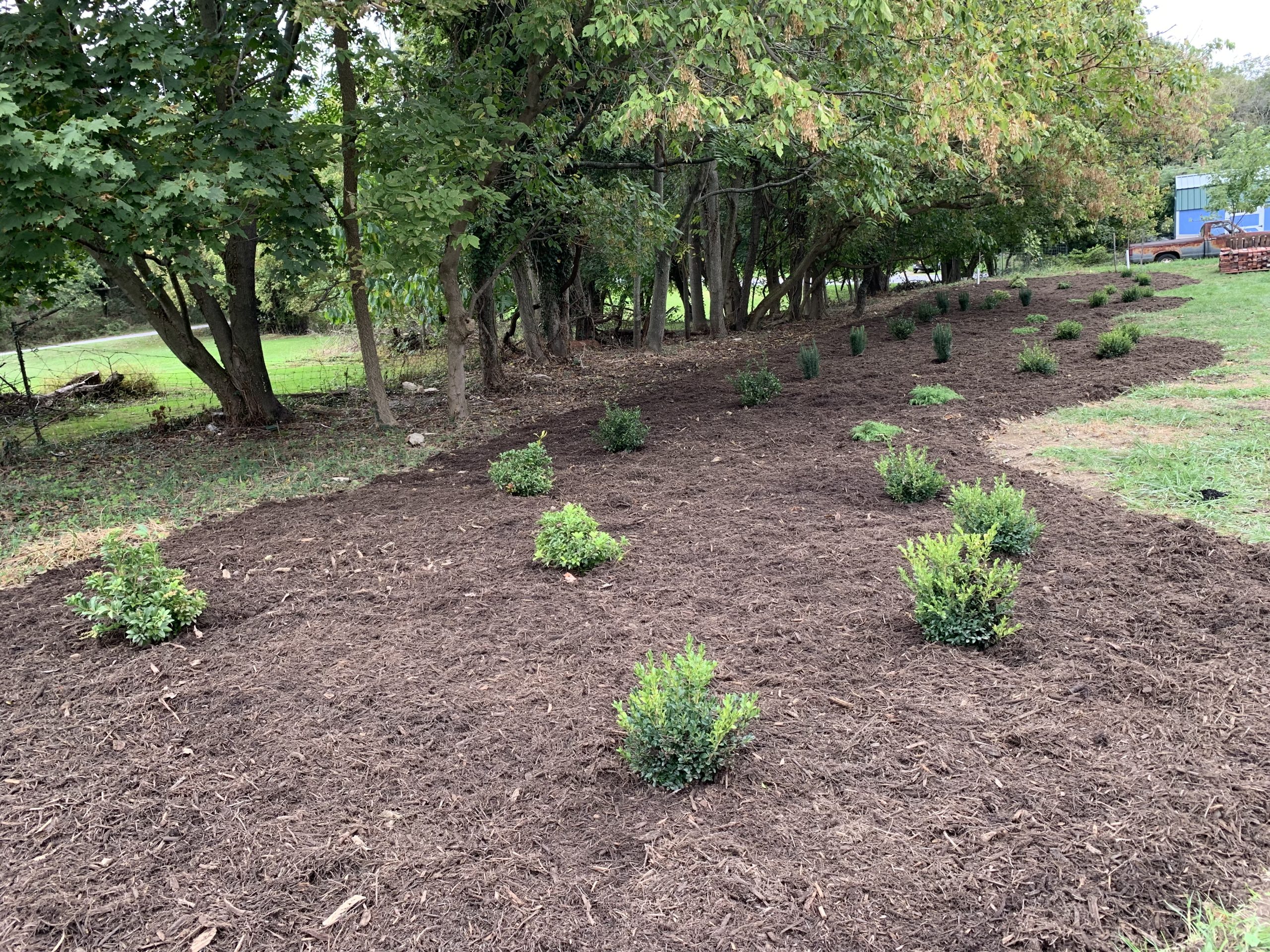
With the support of the Harpers Ferry Womans Club, the Potomac Garden Council sponsored the installation of an attractive shade garden among the trees at the rear of the church property. Who knew mulching could be so much fun?
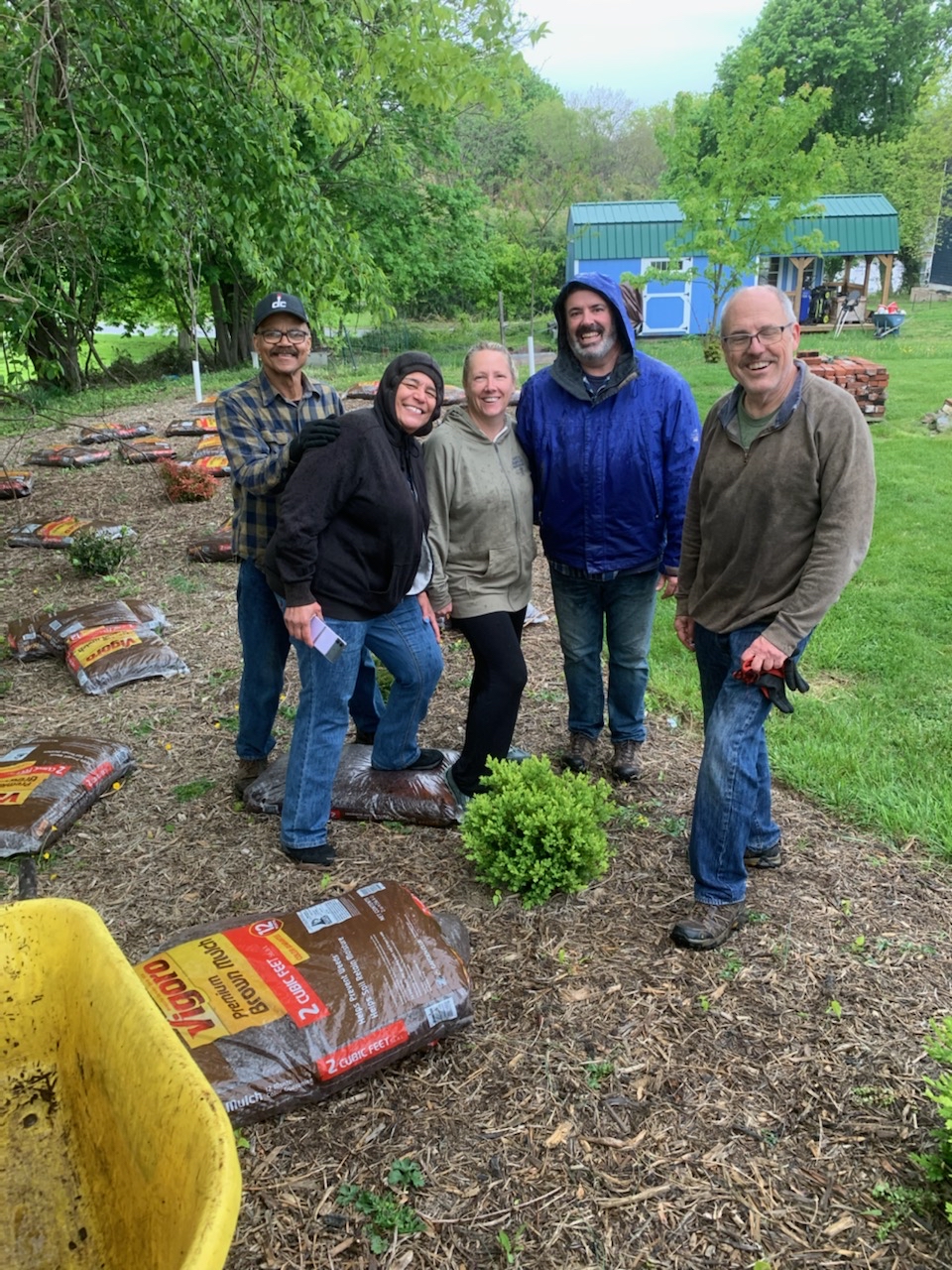
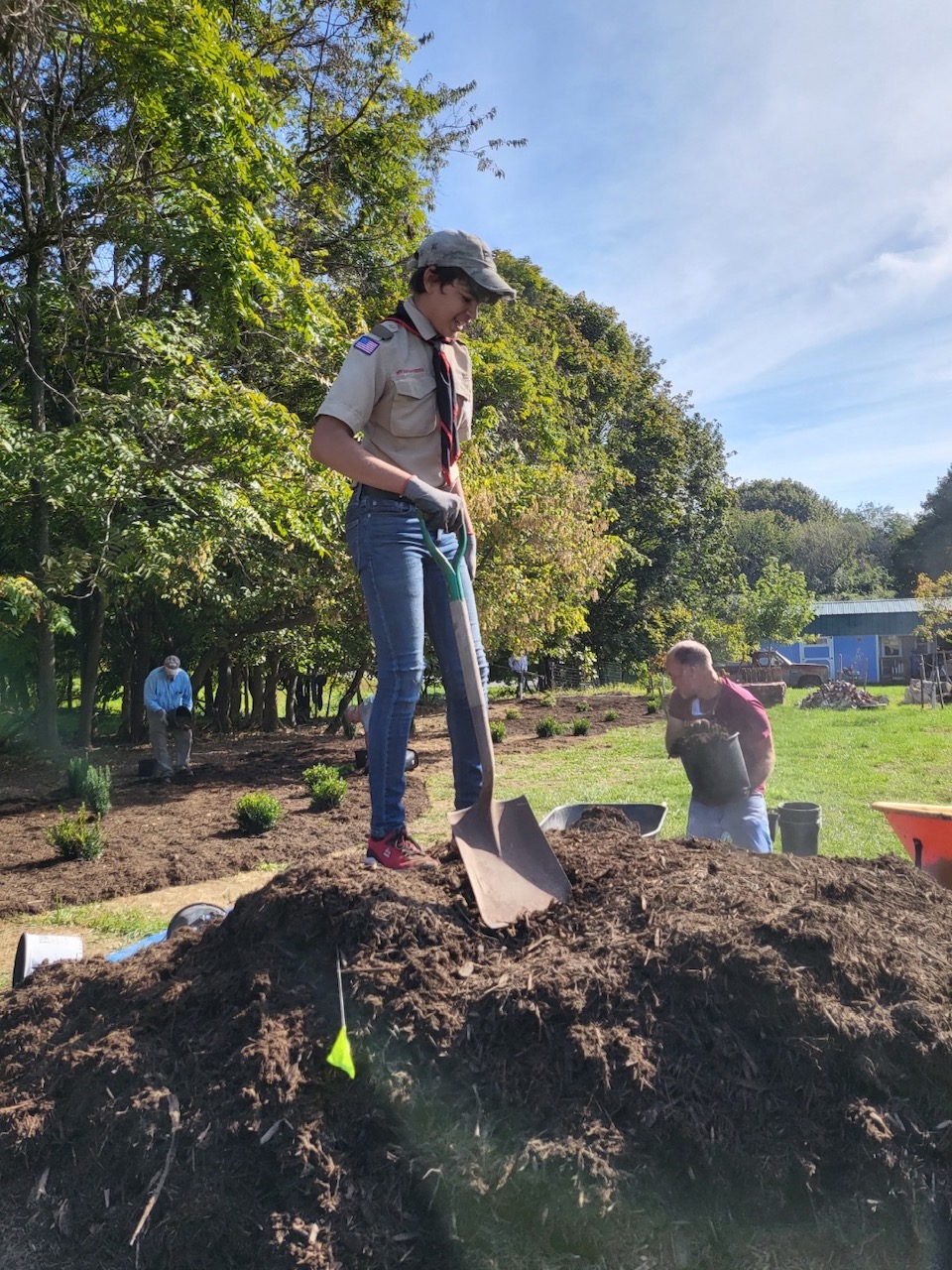
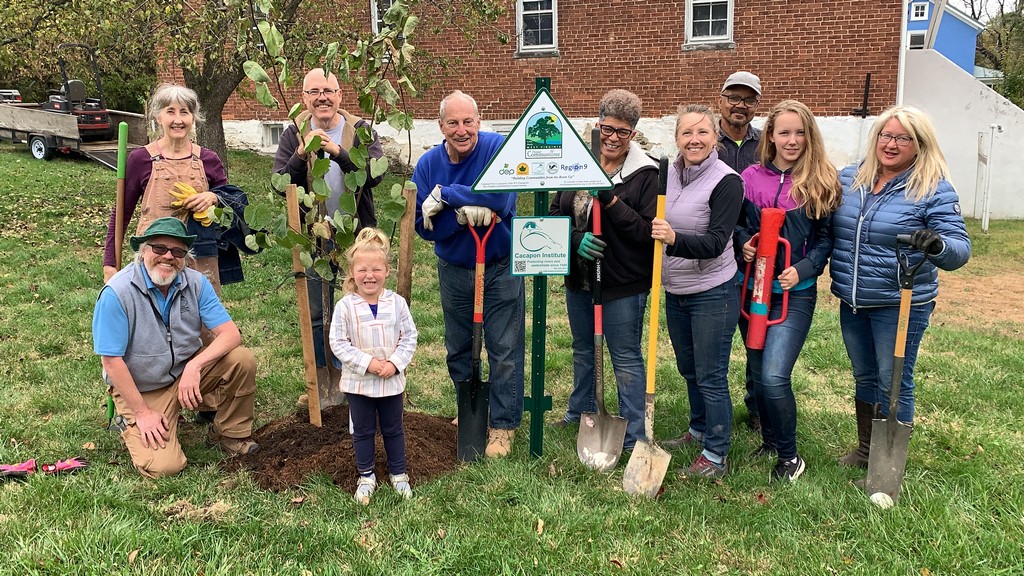
With a donation of 26 native trees from the Cacapon Institute, a volunteer crew enhanced the grounds of First Zion.
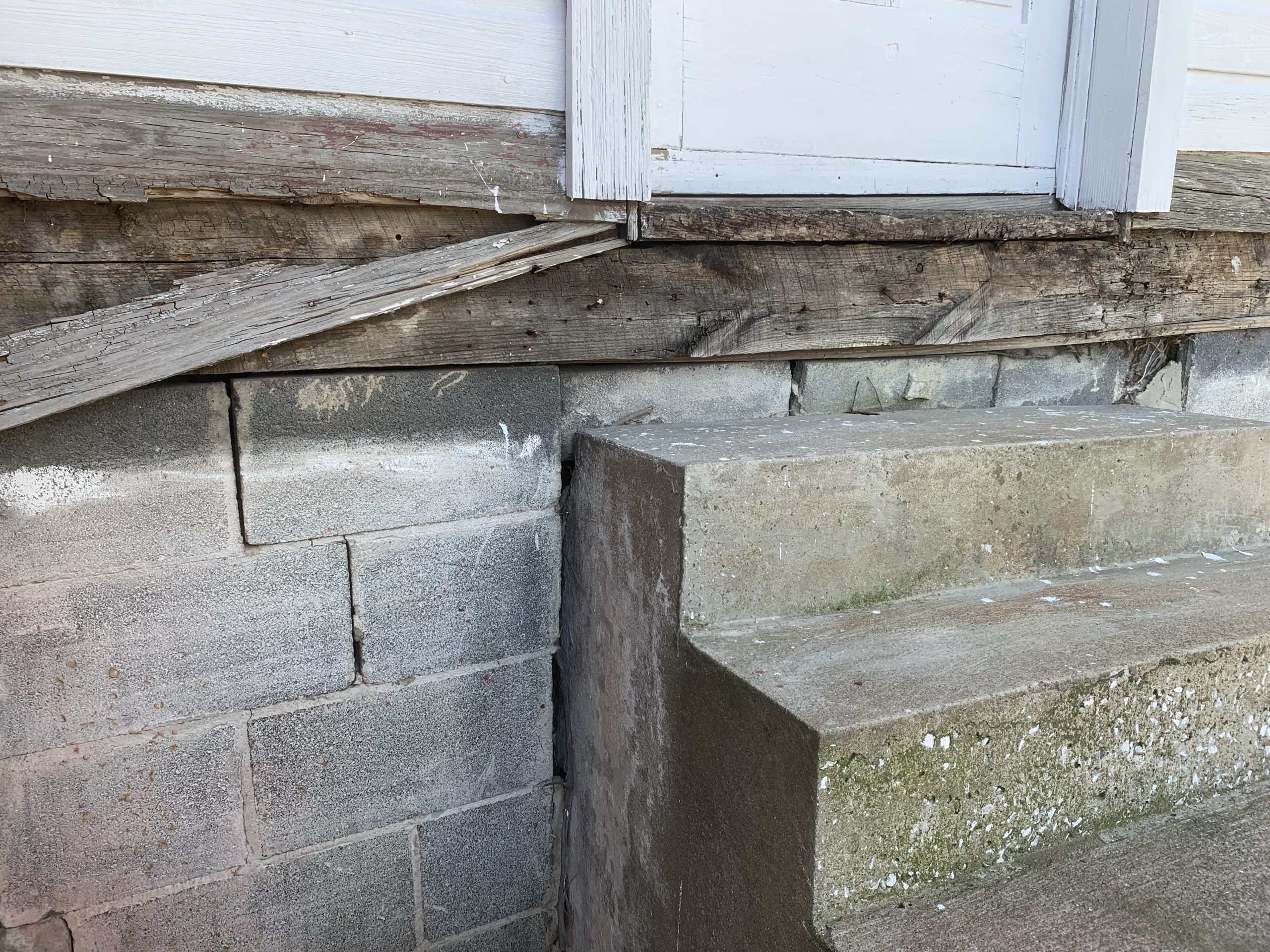
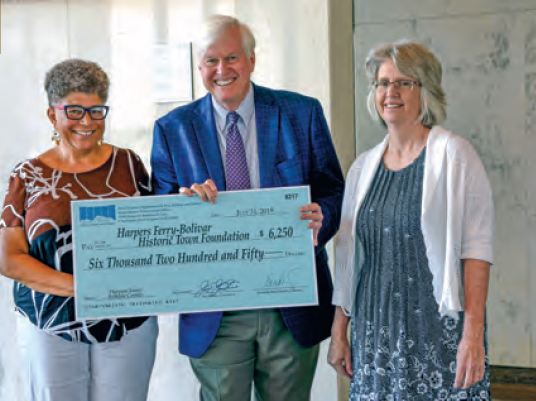
Settling of the concrete steps had destablized the block foundation of the Pastor’s Study. Generous support from the West Virginia State Historic Preservation Office (SHPO) made stabilization of the Pastor’s Study foundation possible.  Foundation Treasurer Nadine Snowden traveled to Charleston to receive the gift from the Governor’s Chief of Staff Mike Hall and SHPO Director Susan Pierce.
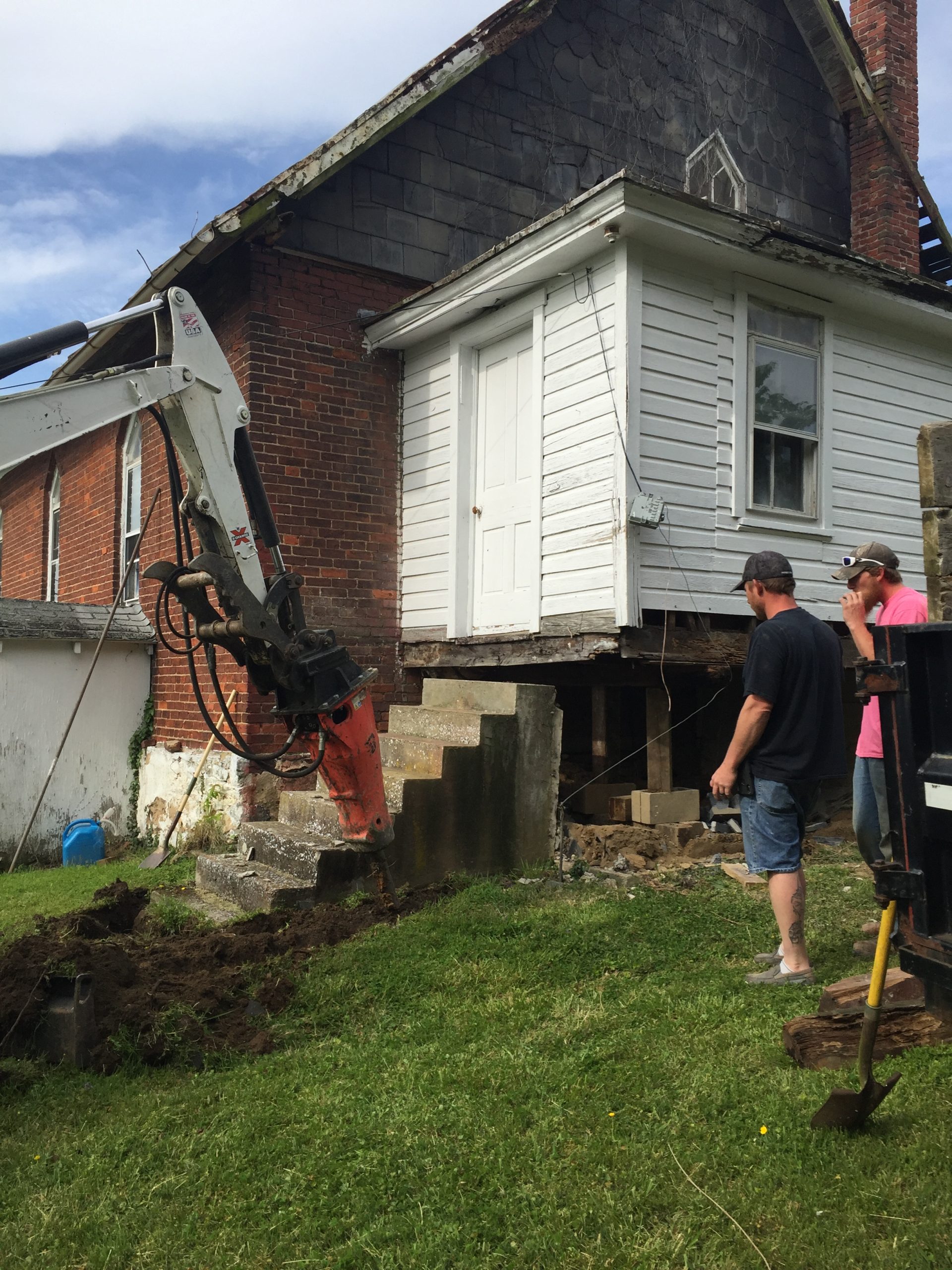
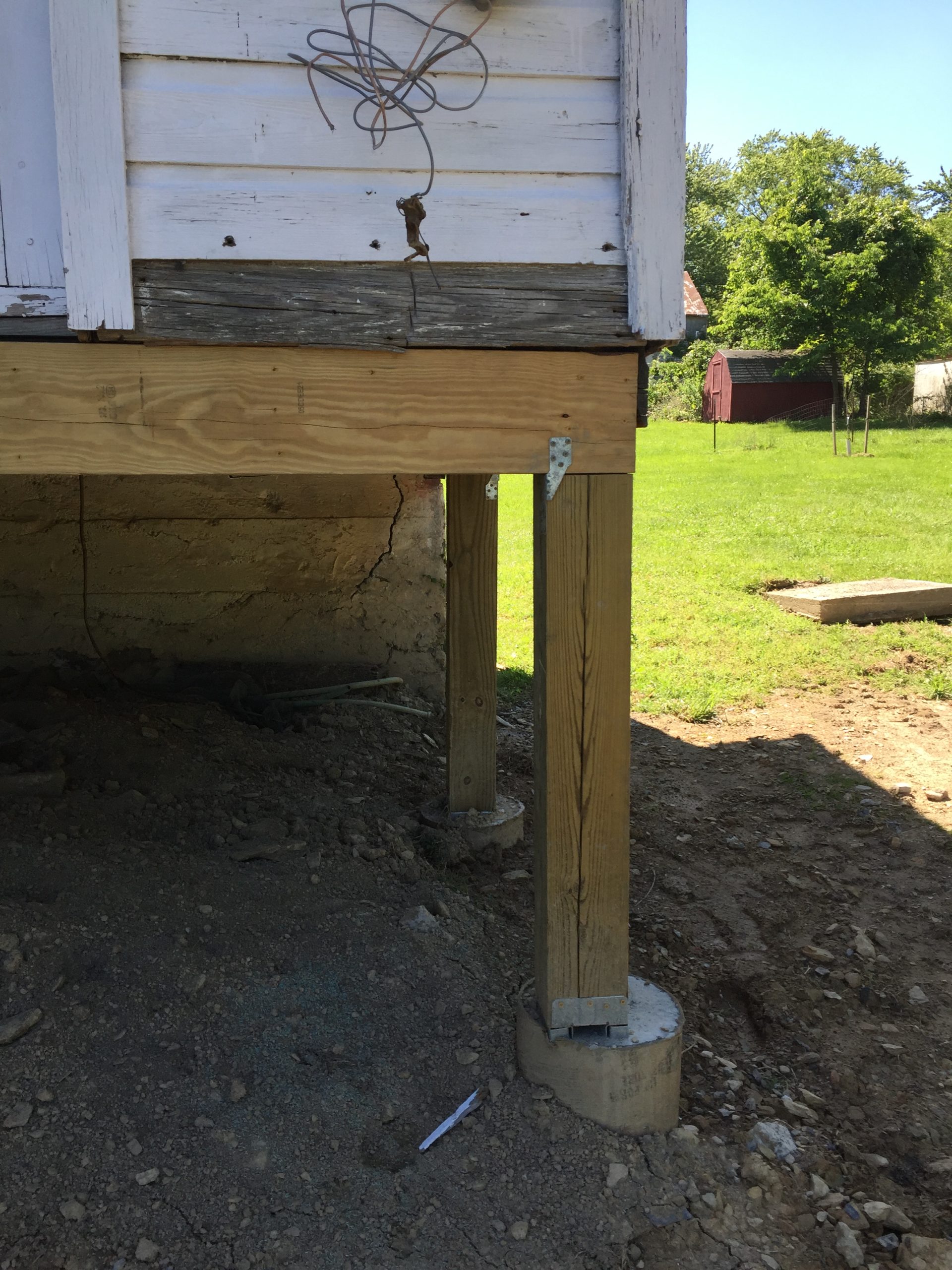
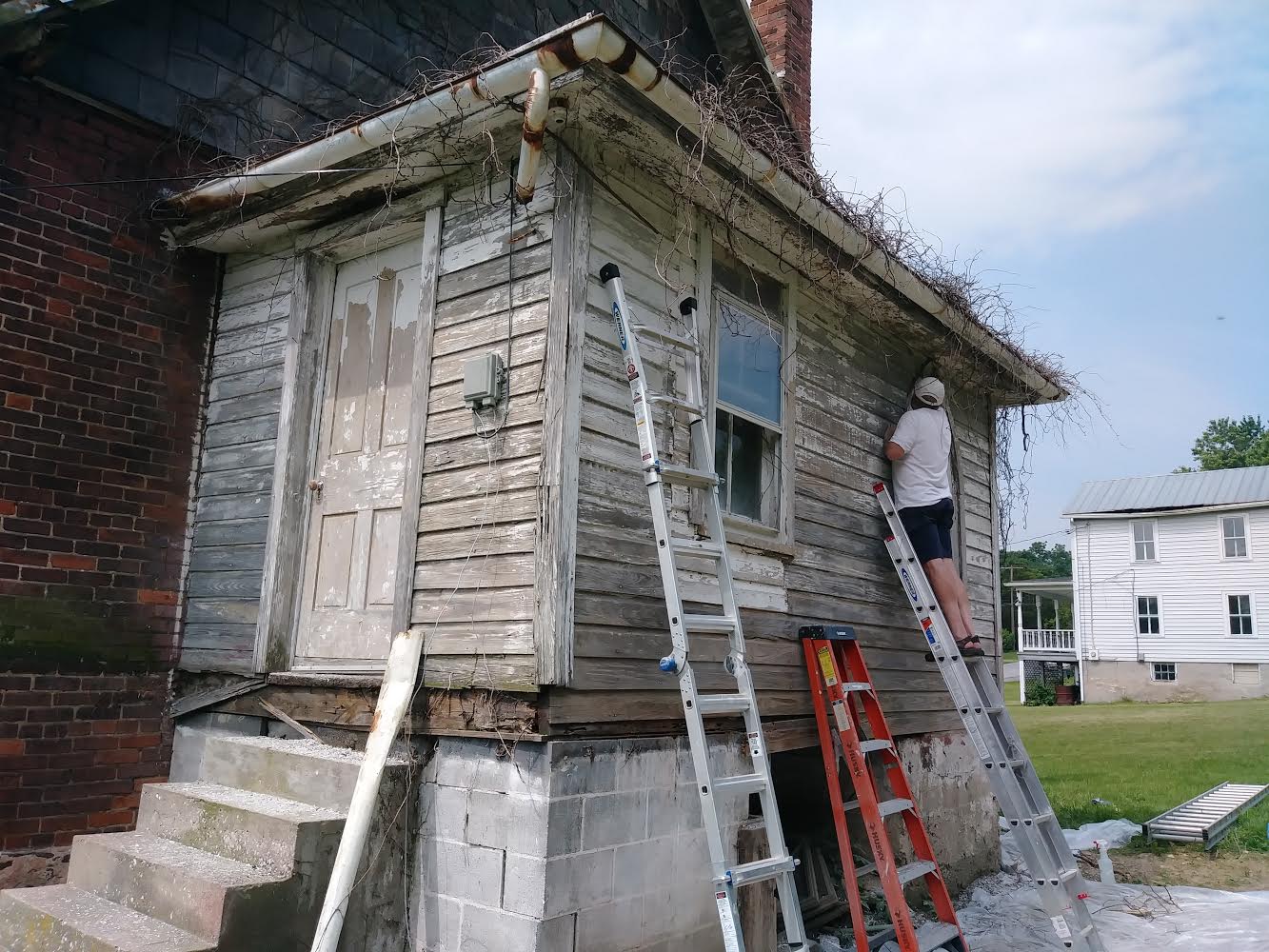
The Pastor’s Study was cleared of overgrowth revealing severely weathered siding. A capable crew of hardworking volunteers tackled the job. The finished result looks handsome.
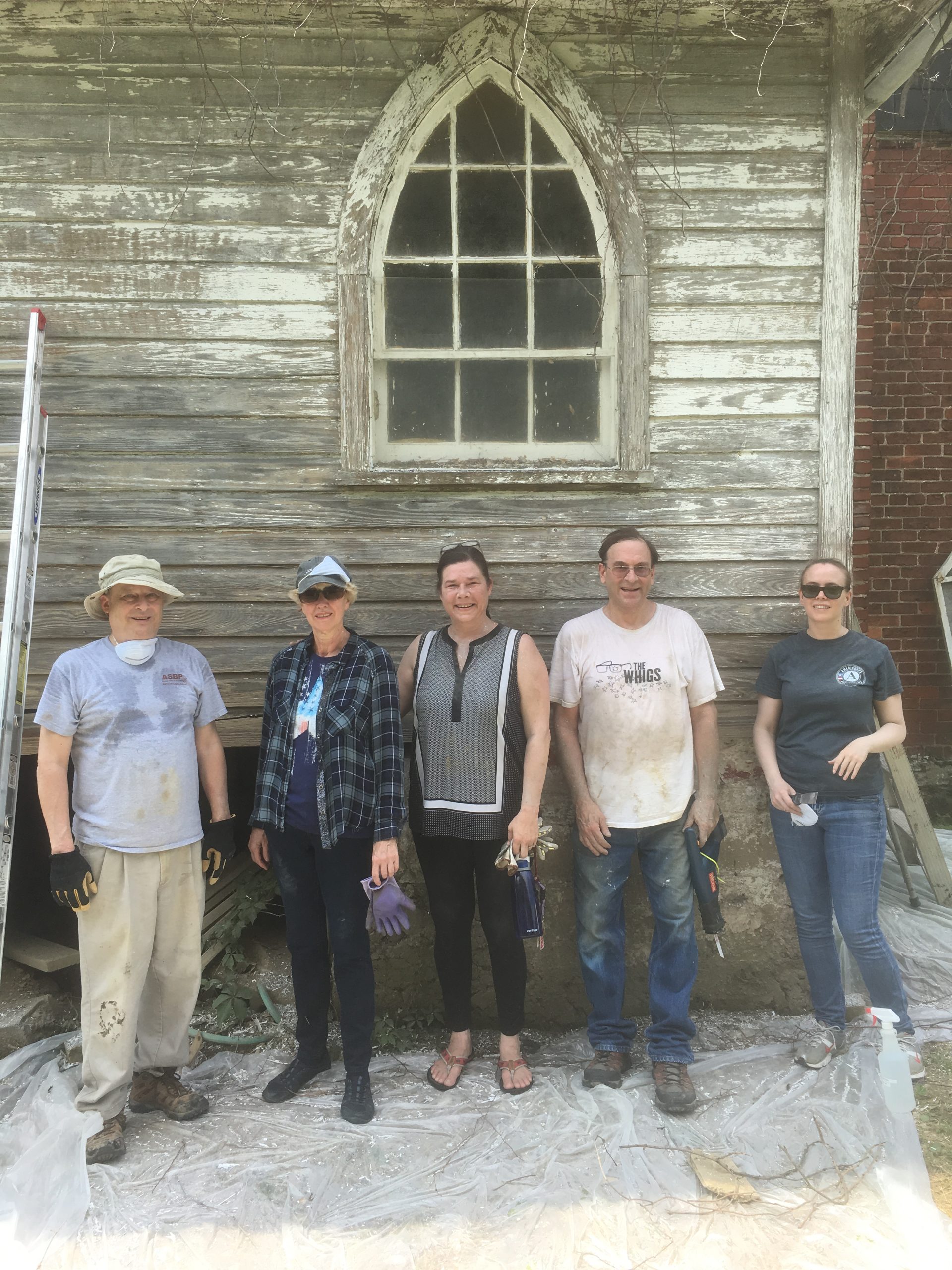
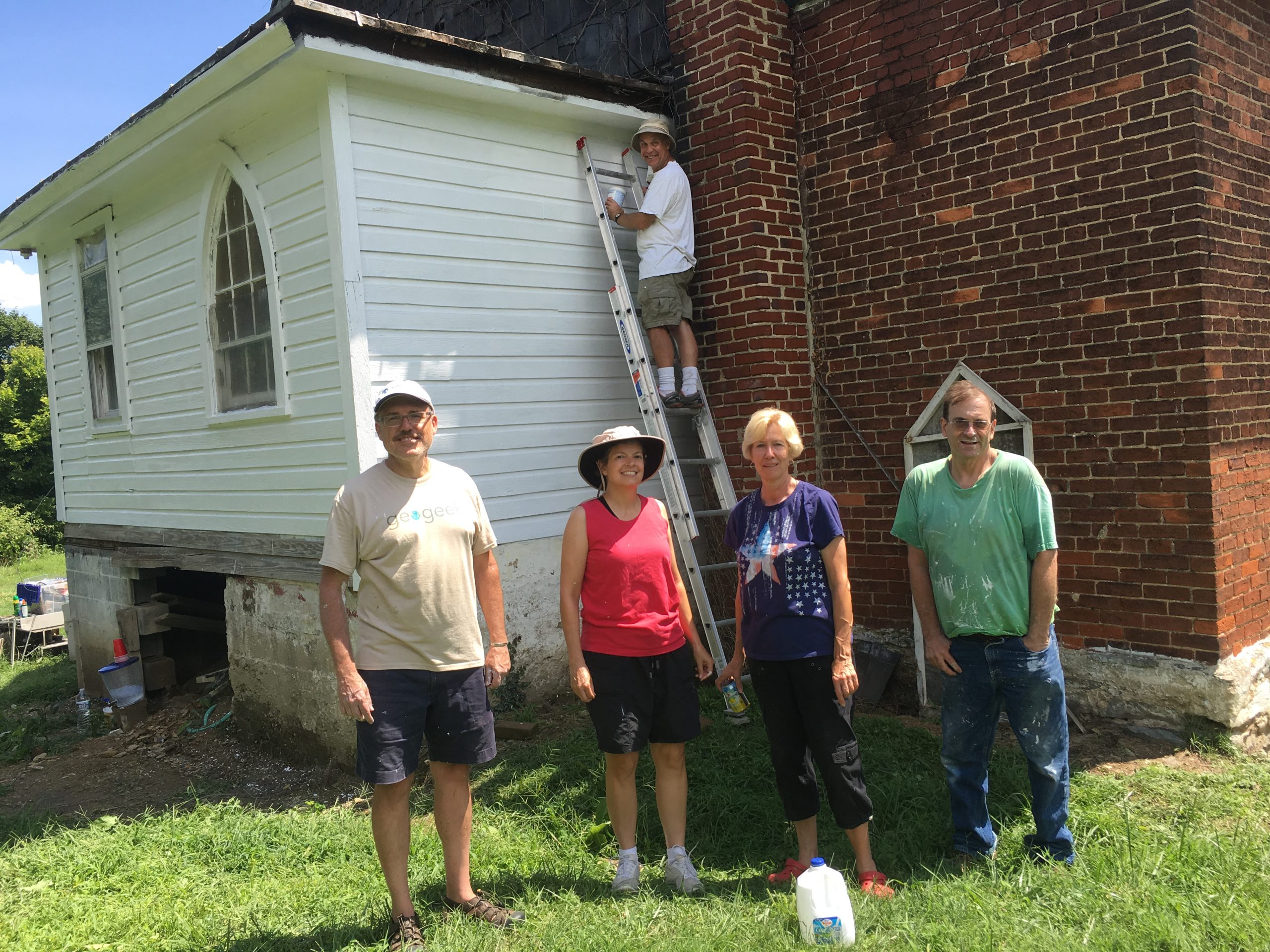
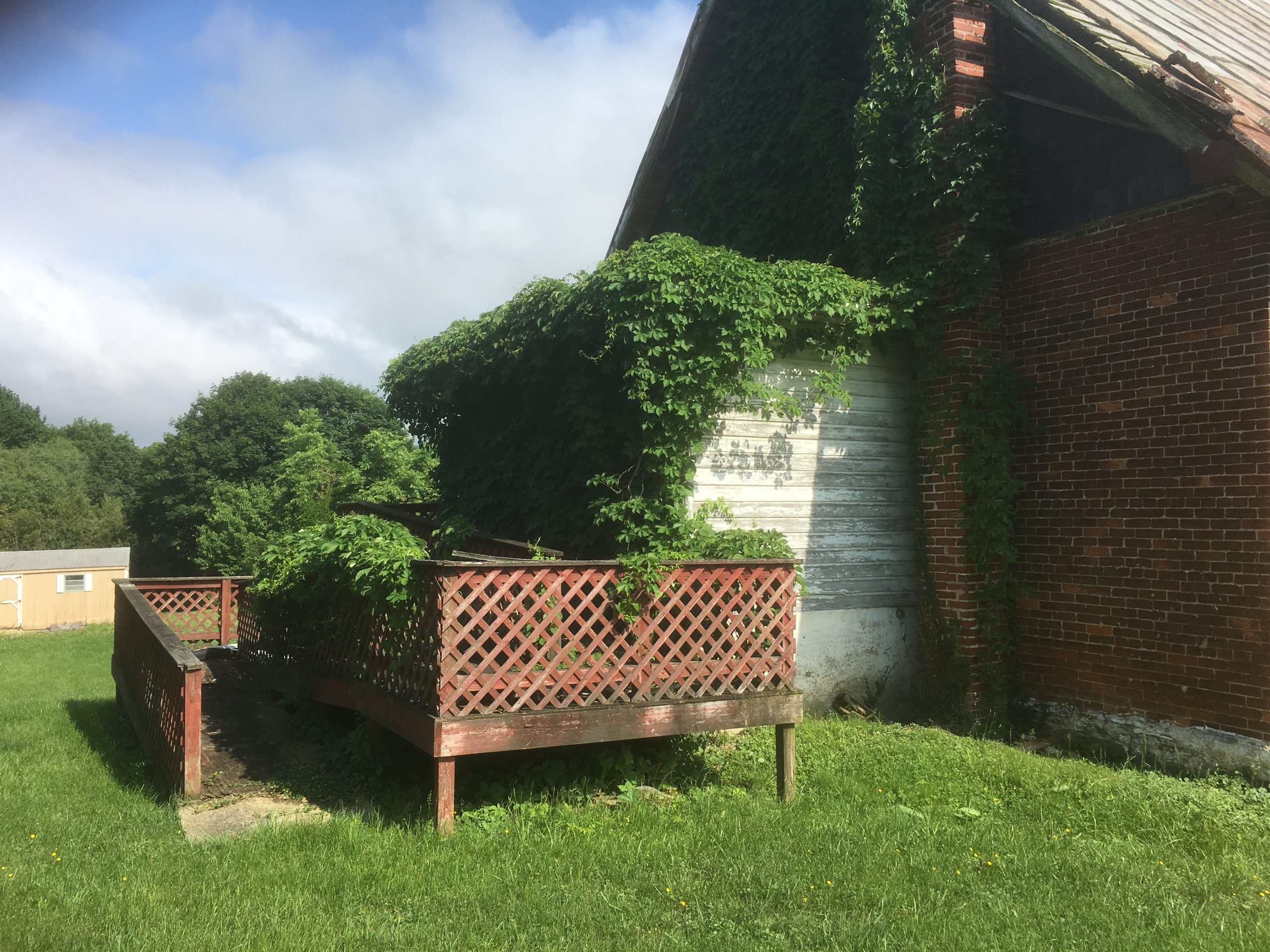
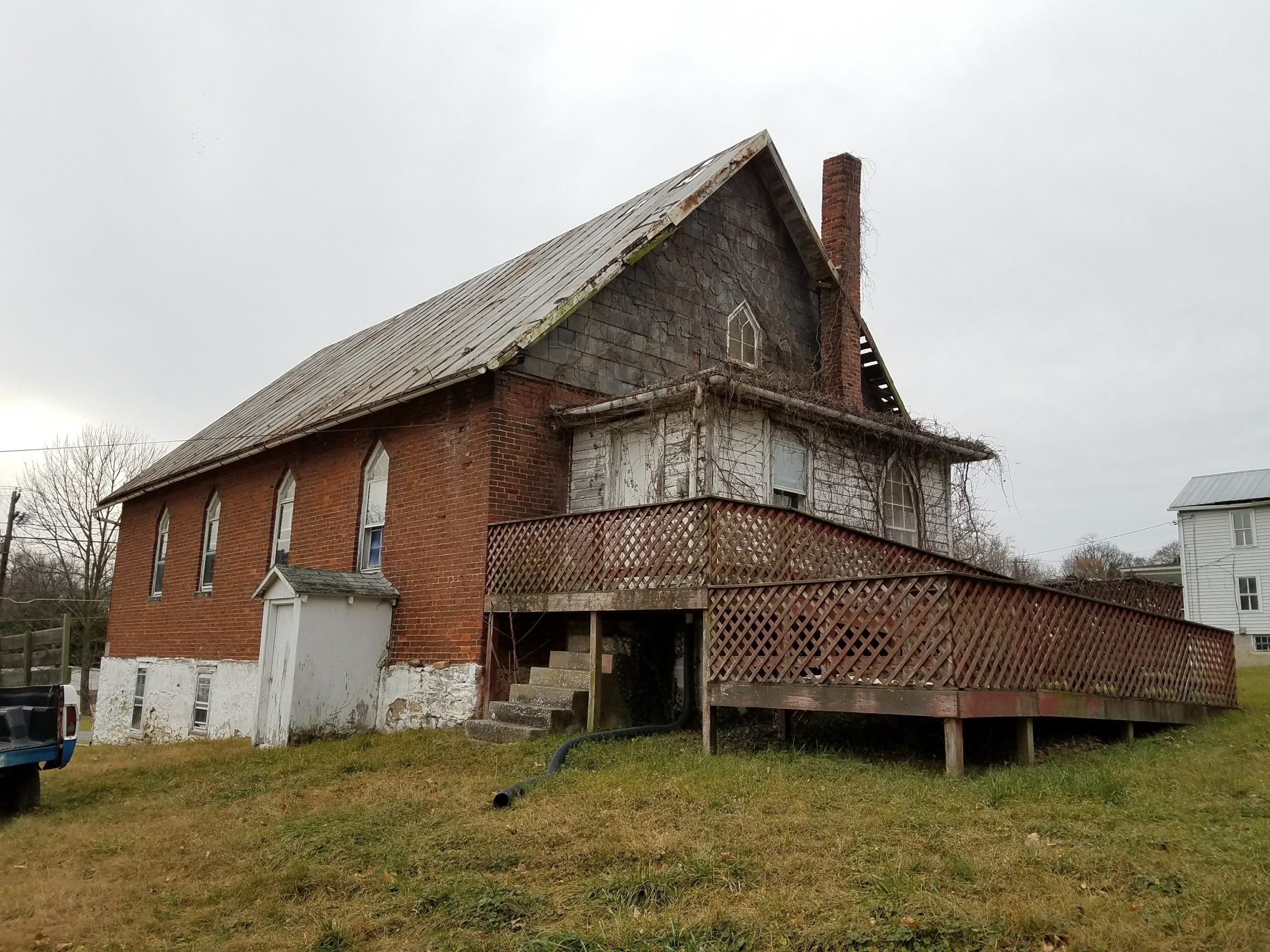
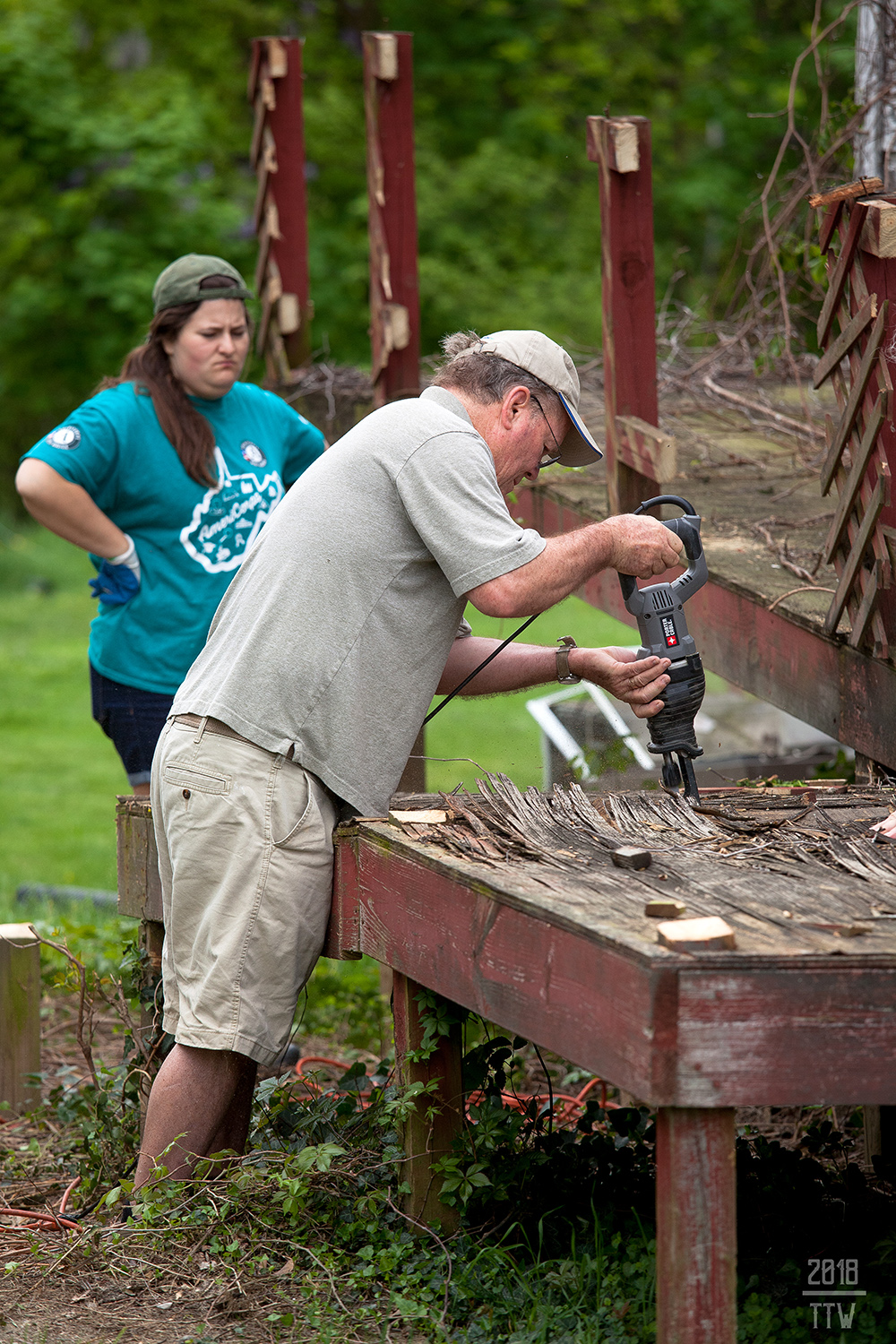
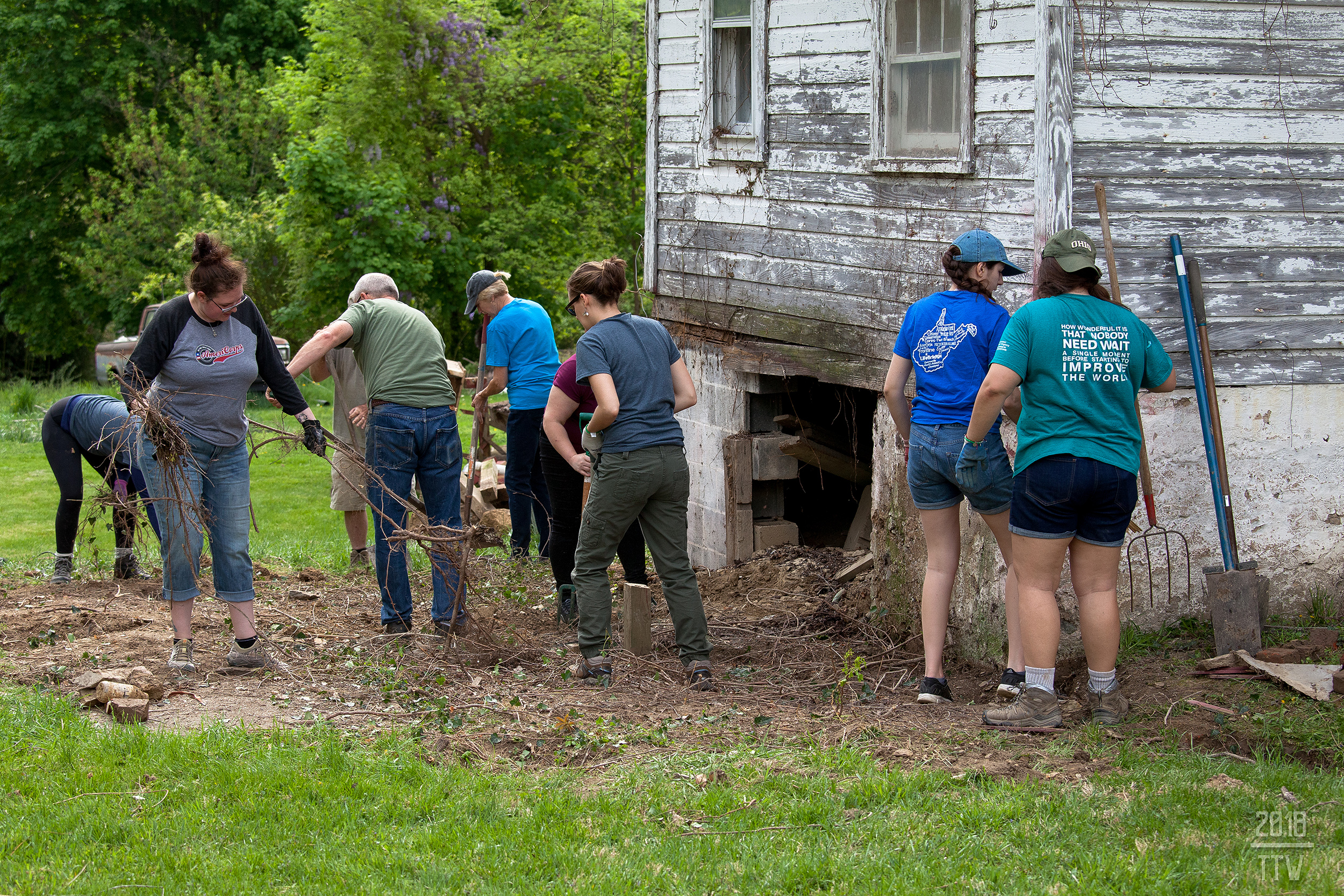
A dilapidated ramp led up to the Pastor’s Study at the rear of the church. Coordinated by the Preservation Alliance of West Virginia, Harpers Ferry Councilman Jim Jenkins and an energetic crew of AmeriCorps volunteers made quick work of the project.
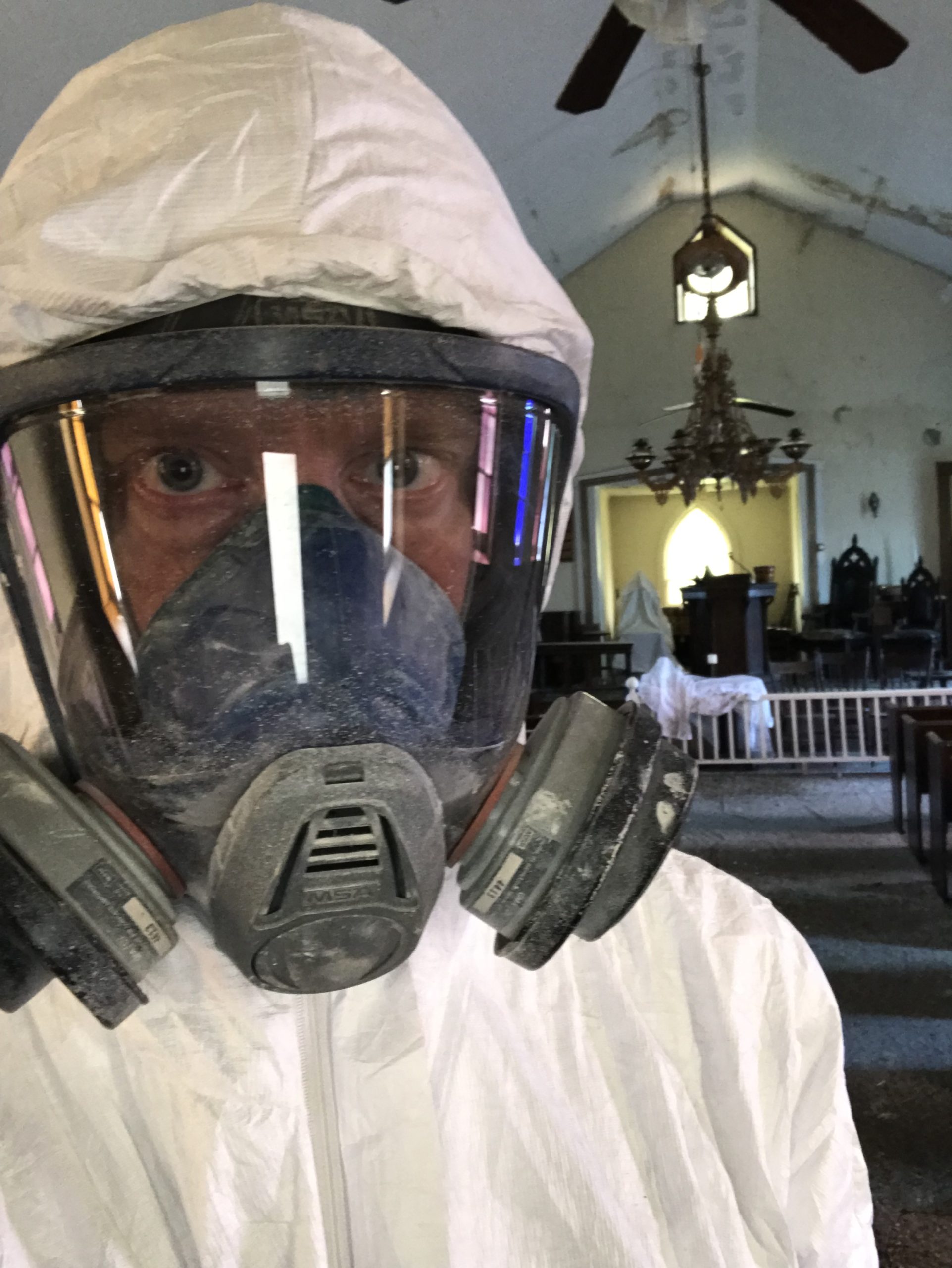
When the Foundation purchased the church, several windows were in disrepair and had missing panes. The worst of these was this basement window. Pigeons found accommodations at the church to be quite agreeable. The missing panes were replaced throughout the building and the basement window was mothballed until resources become available for its restoration. Once the pigeons were excluded from the building, intrepid neighbor Jesse set out to clean the sanctuary of their droppings.
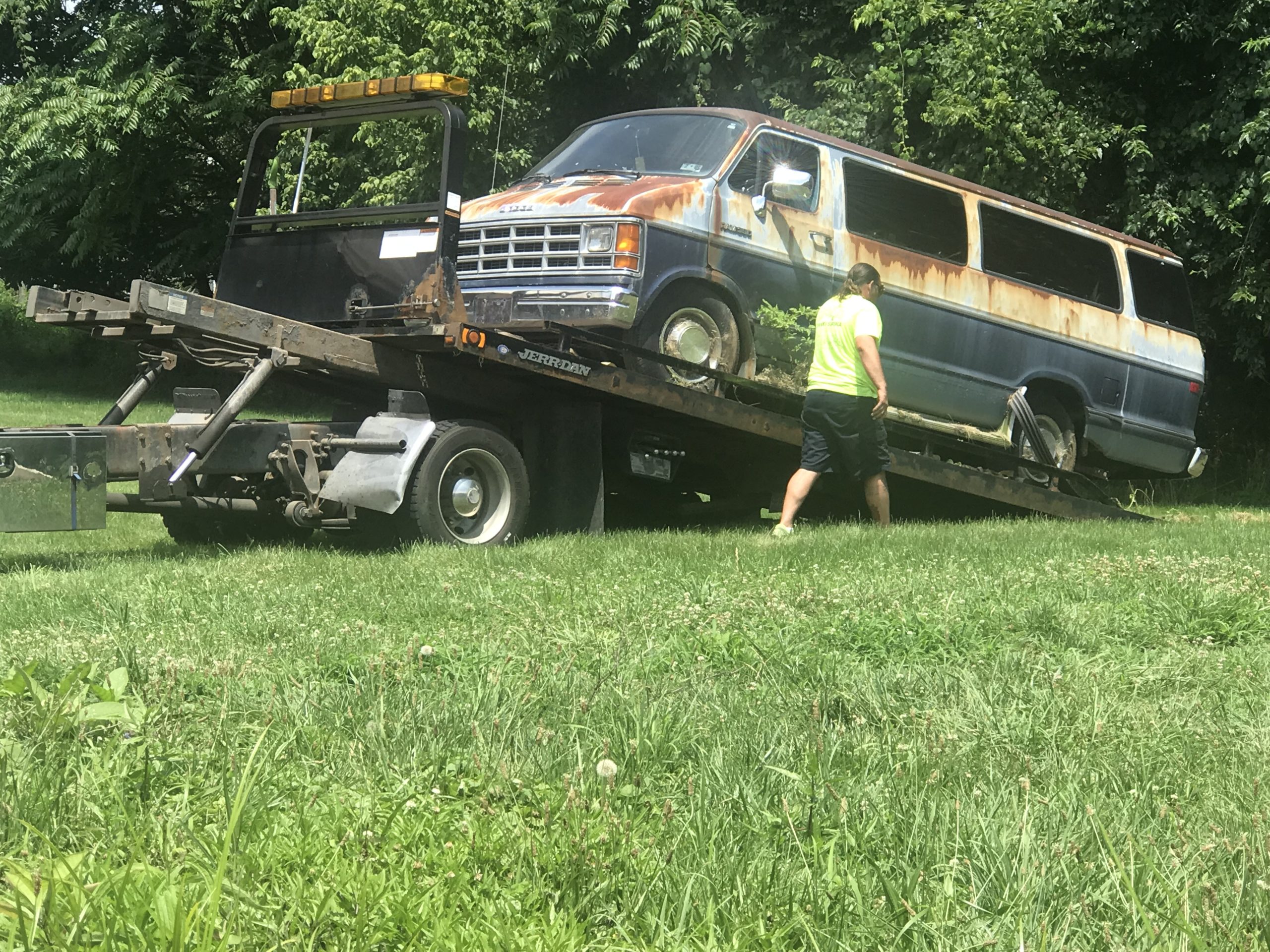
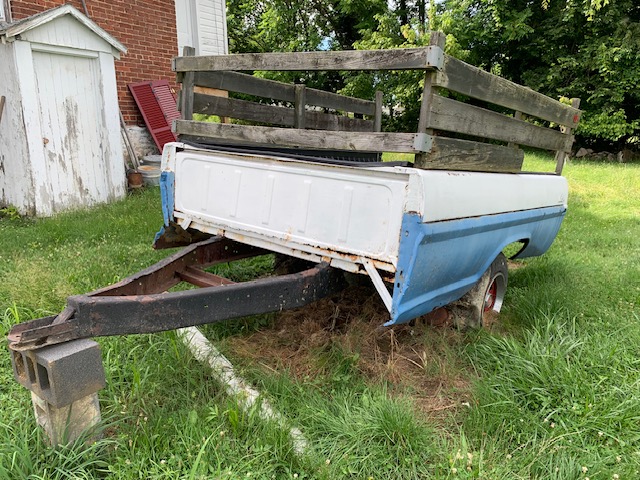
Abandoned vehicles were removed from the property.
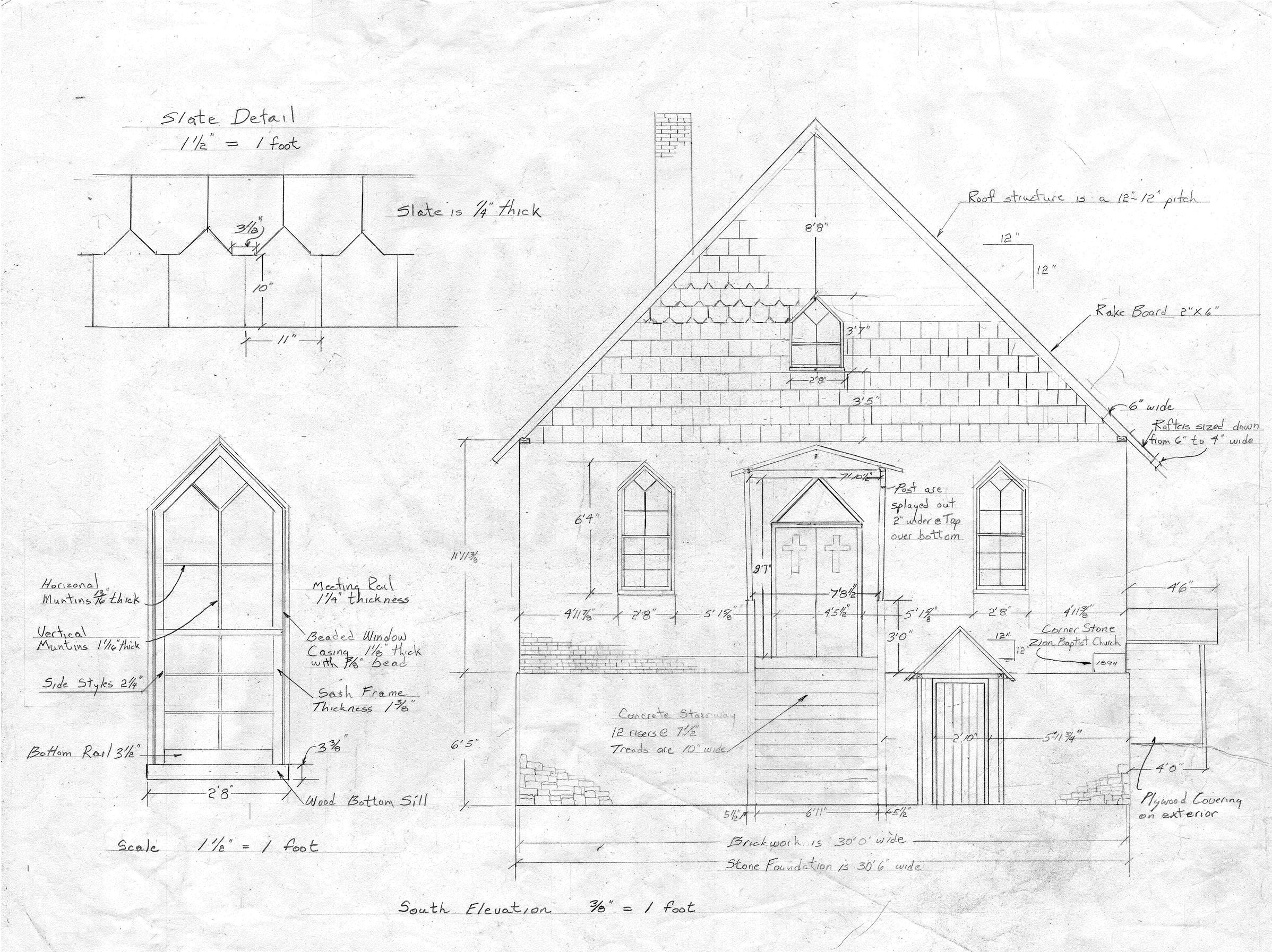
With financial assistance from the Corporation of Harpers Ferry, preservationists David Gibney and Sarah Polzin were contracted to prepare a preservation plan for First Zion. Shown here is one of the beautiful hand-drawn elevation renderings from the plan.
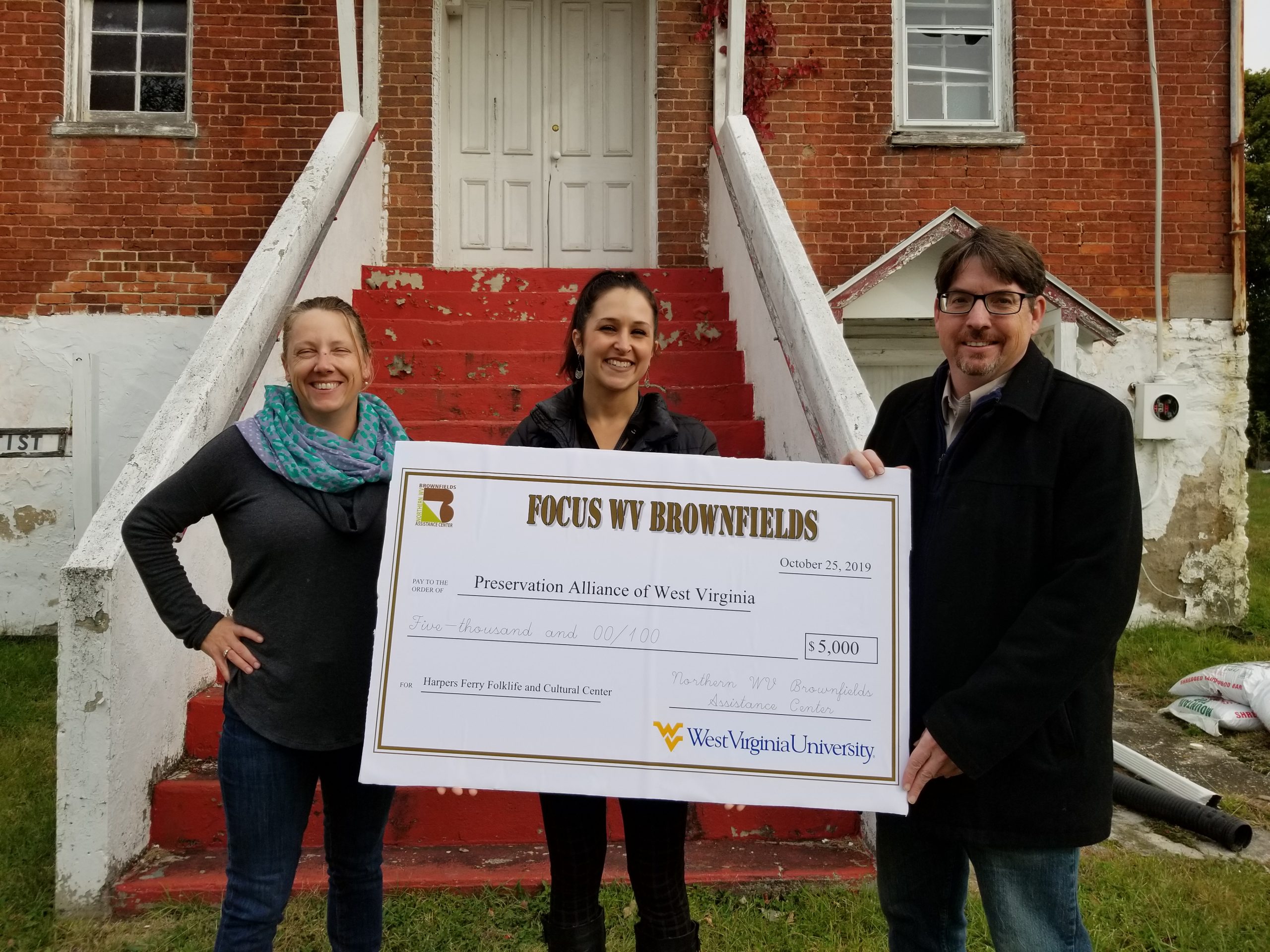
Board member Carrie Gauthier accepts a grant check from the Preservation Alliance of West Virginia Director Danielle Parker and Northern West Virginia Brownfields Assistance Center Director Patrick Kirby. The grant covered the cost of a Hazardous Material Survey and remediation plan for First Zion. Board member Debbie McGee represented the Foundation at the WV Brownfields Conference.
 HF Black History Featured in Prince William Living Magazine
 To Betsy
 Honor Awarded to Local Historic-Neighborhood-Sensitive New Construction