May 22, 2026 Trail & Town

Over the past few years, the Trail and Town Alliance, which is a standing committee of the Foundation, has made great progress caring for and building trails in Woodpecker Woods. This wildlife preserve is owned by the West Virginia Division of Natural Resource (DNR) and straddles Harpers Ferry, Bolivar, and adjacent county land.

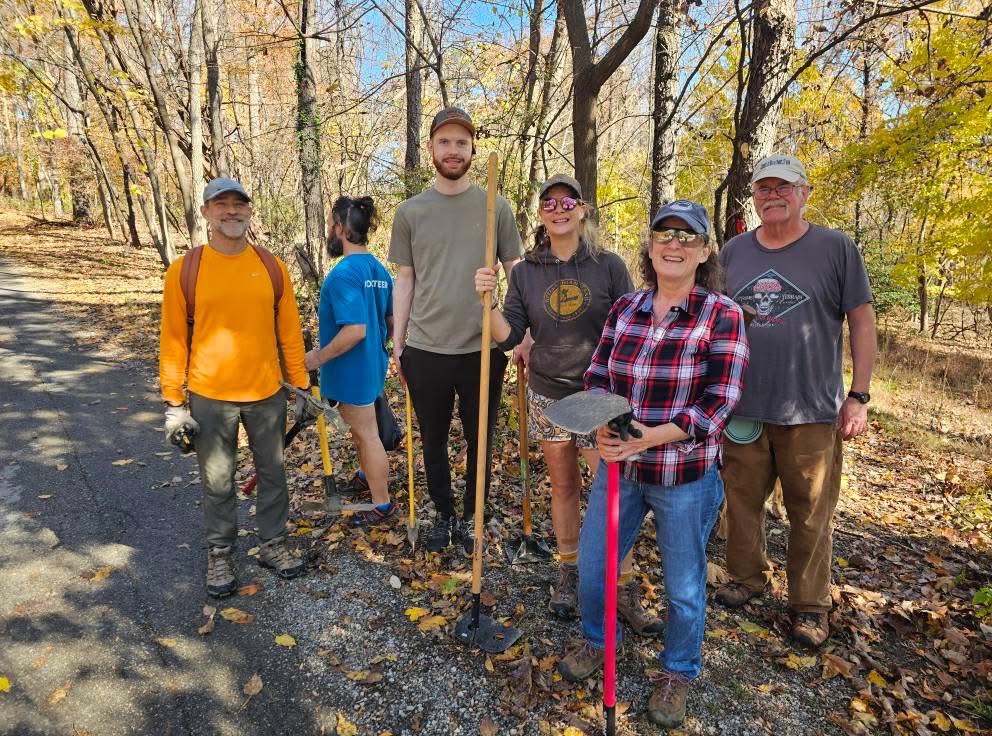
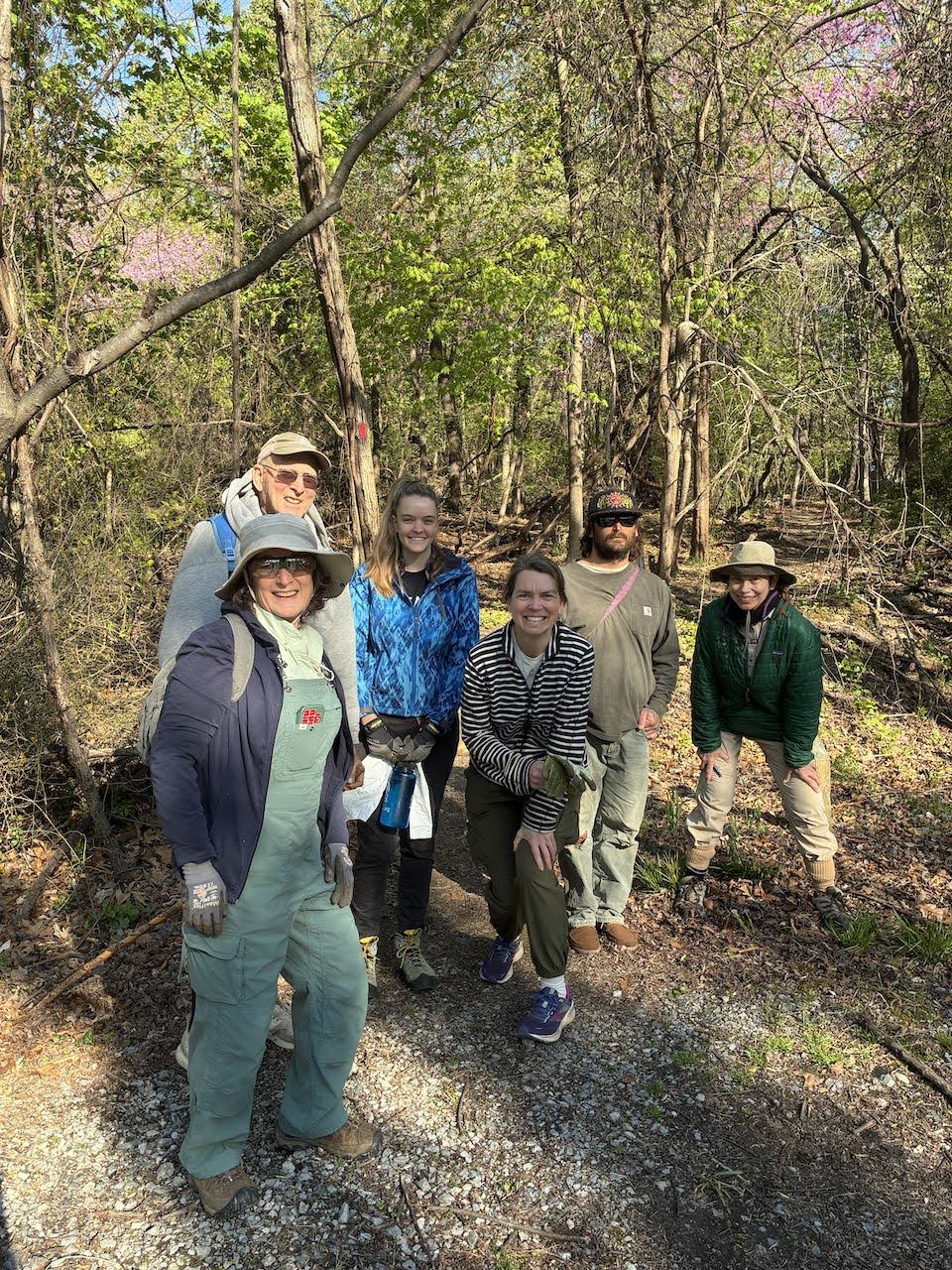
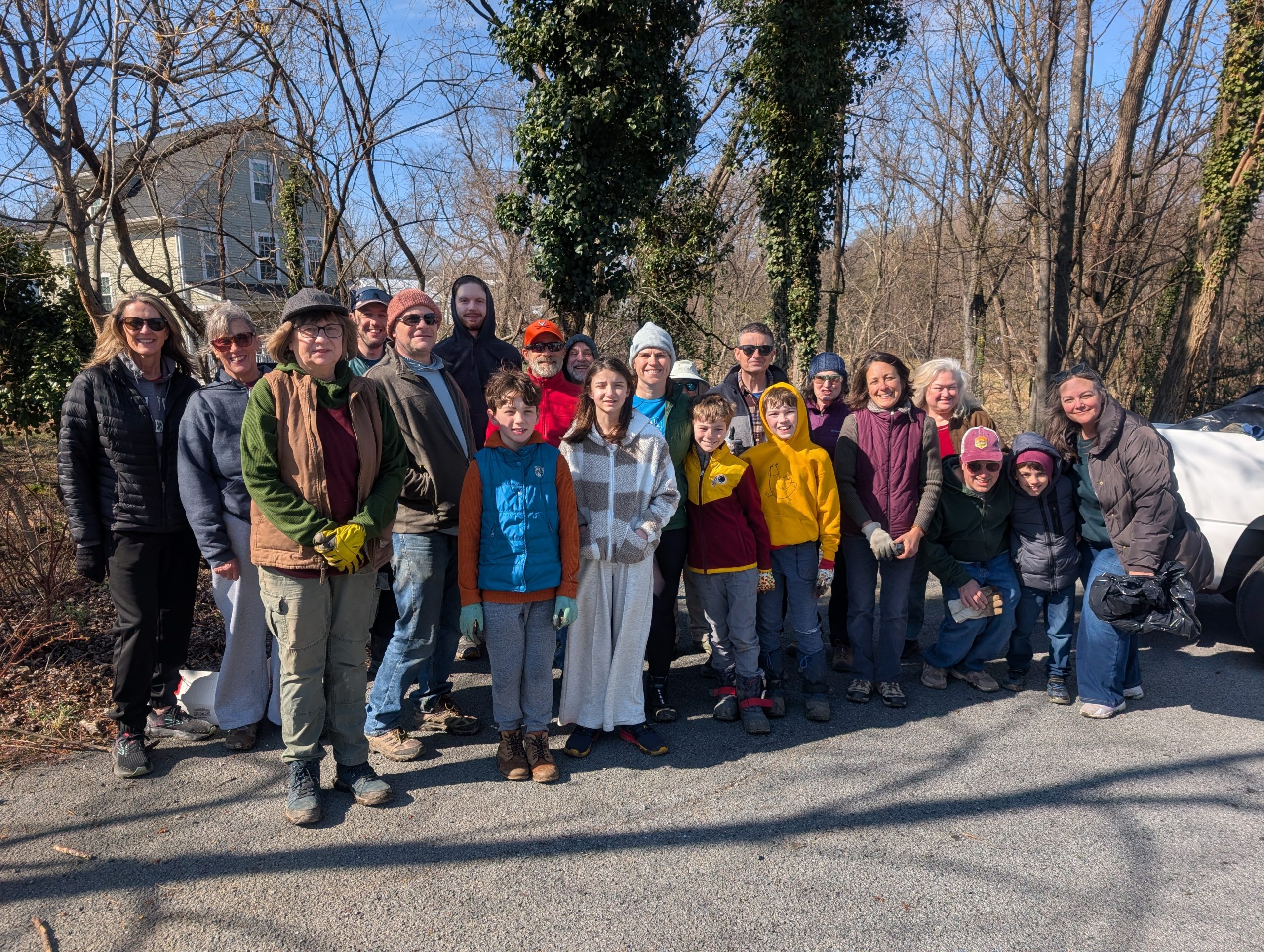
Acting on a Memorandum of Understanding (MOU) between the Harpers Ferry-Bolivar Historic Town Foundation (the Alliance’s parent organization) and DNR, we have utilized financial support from private donors and the Town of Harpers Ferry, as well as the work of dozens of volunteers from around our region.

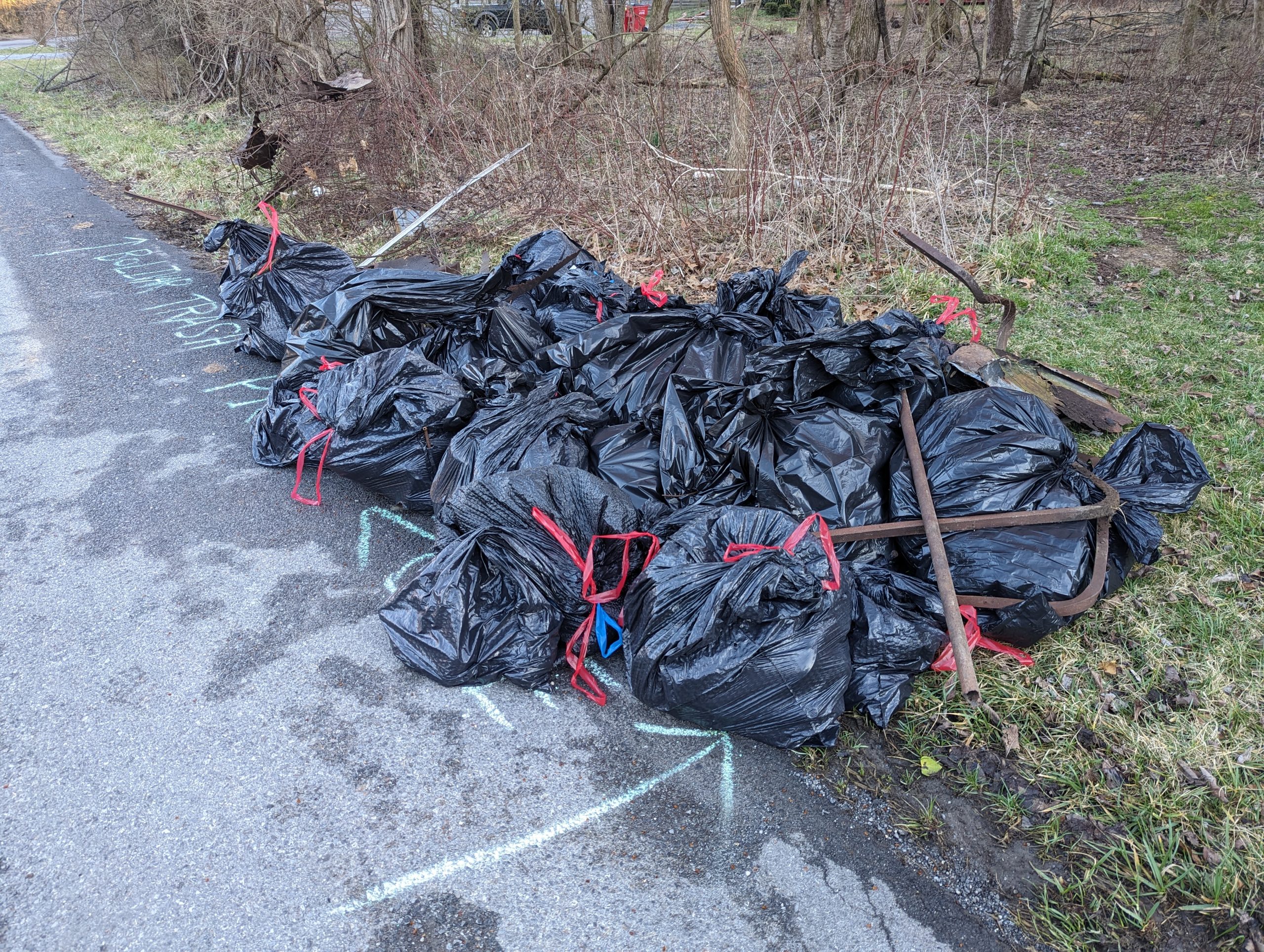
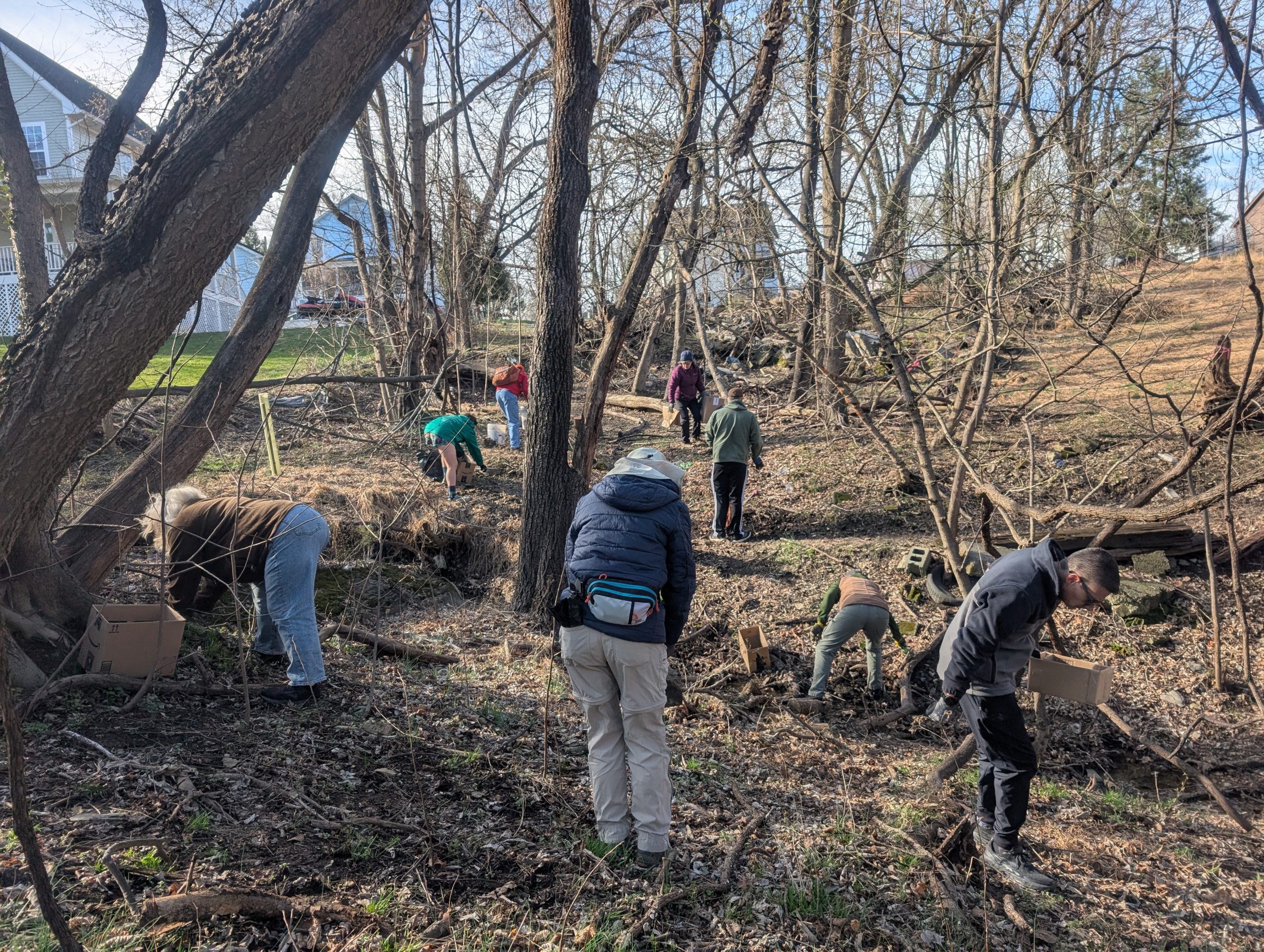
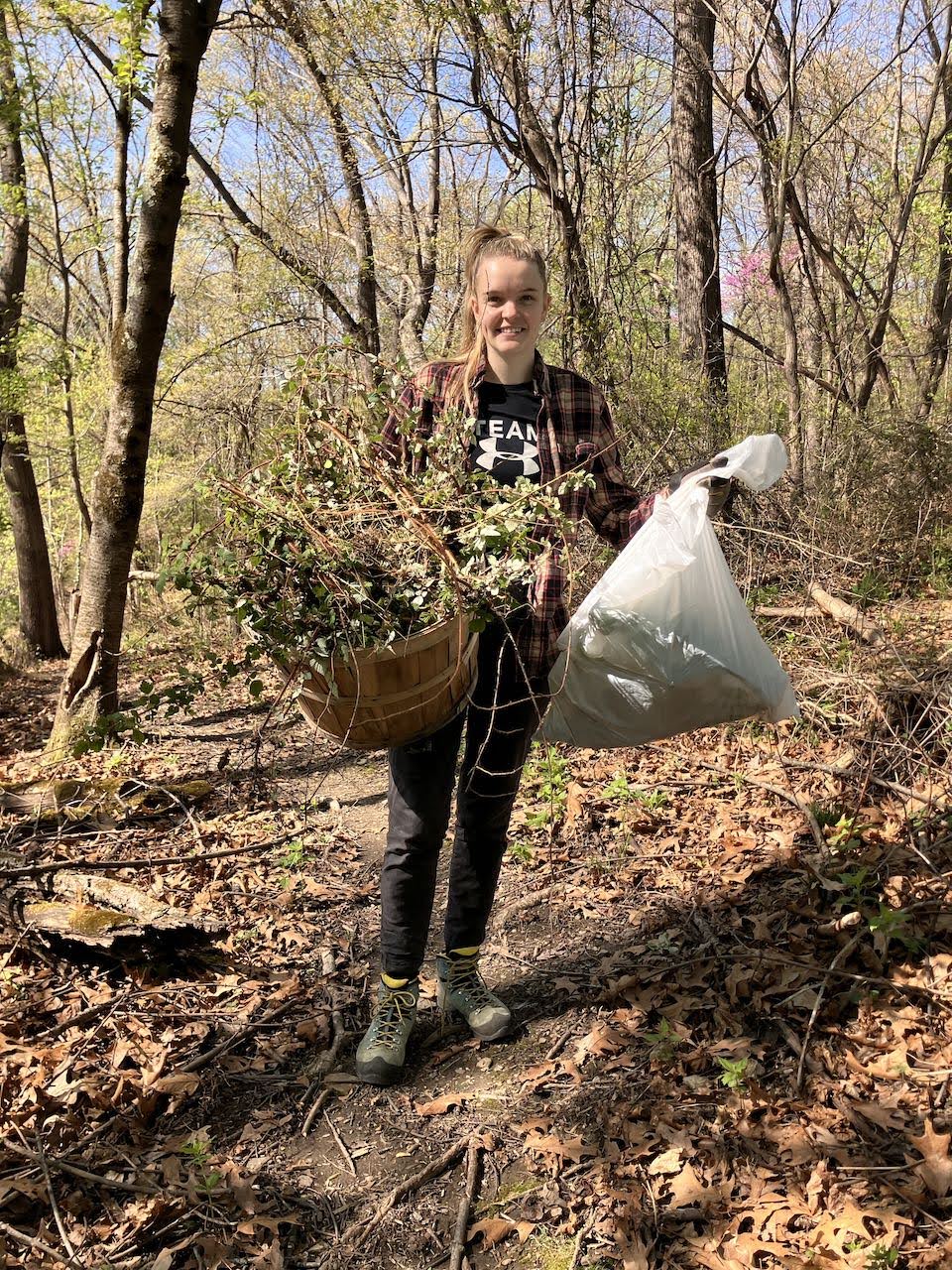
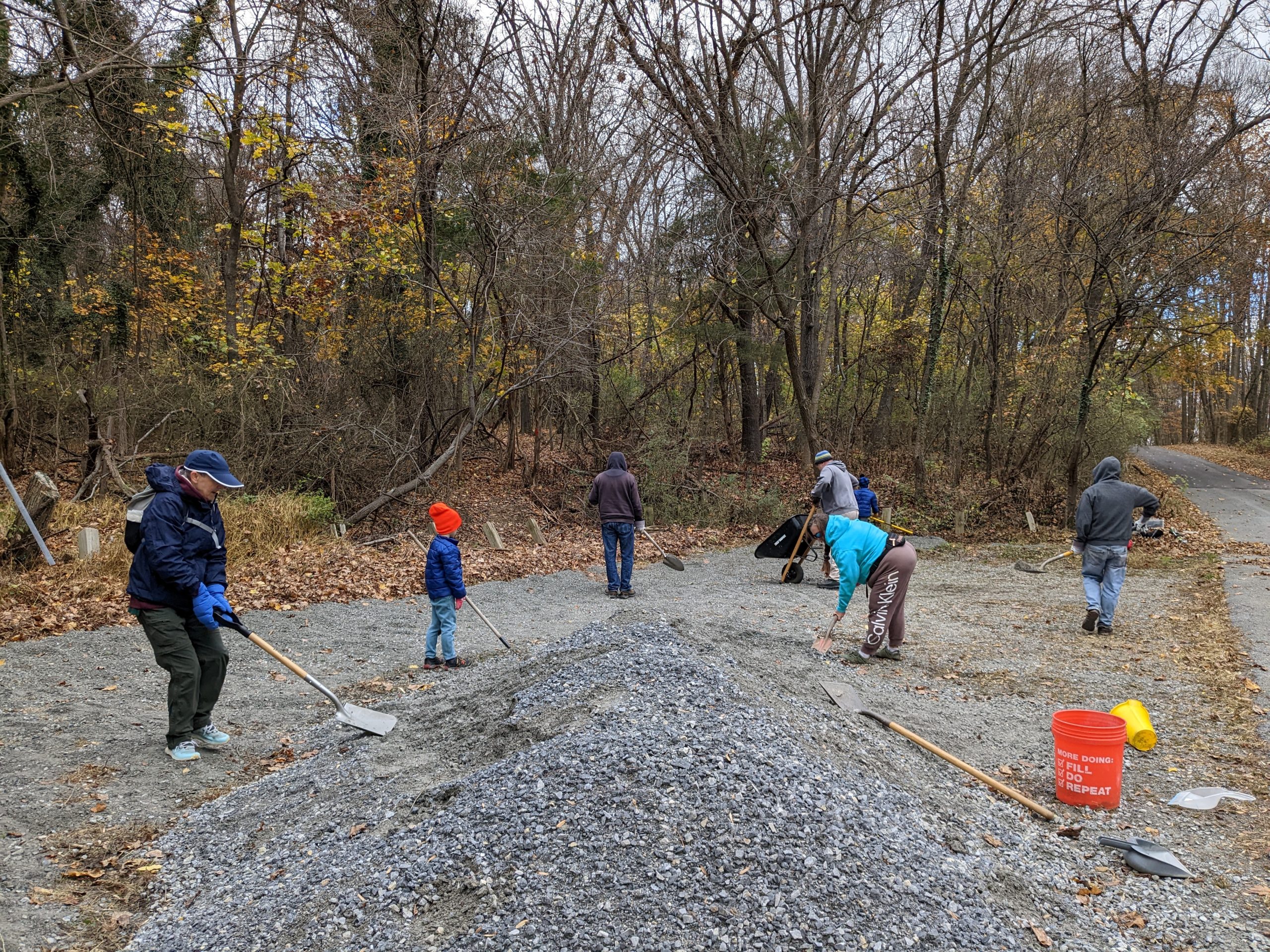
We’ve hauled away loads of trash that remained from years of dumping and former homeless encampments. We’ve worked with DNR and NPS law enforcement to eliminate illegal use of the woods by off-road vehicle users. We’ve cleared invasive weeds and sought to educate the public about the encroachment of wavyleaf basketgrass, making its way down from Bolivar Heights into town lands and neighborhoods. We cleaned up DNR’s small parking lot on Old Furnace Road and spread fresh gravel.

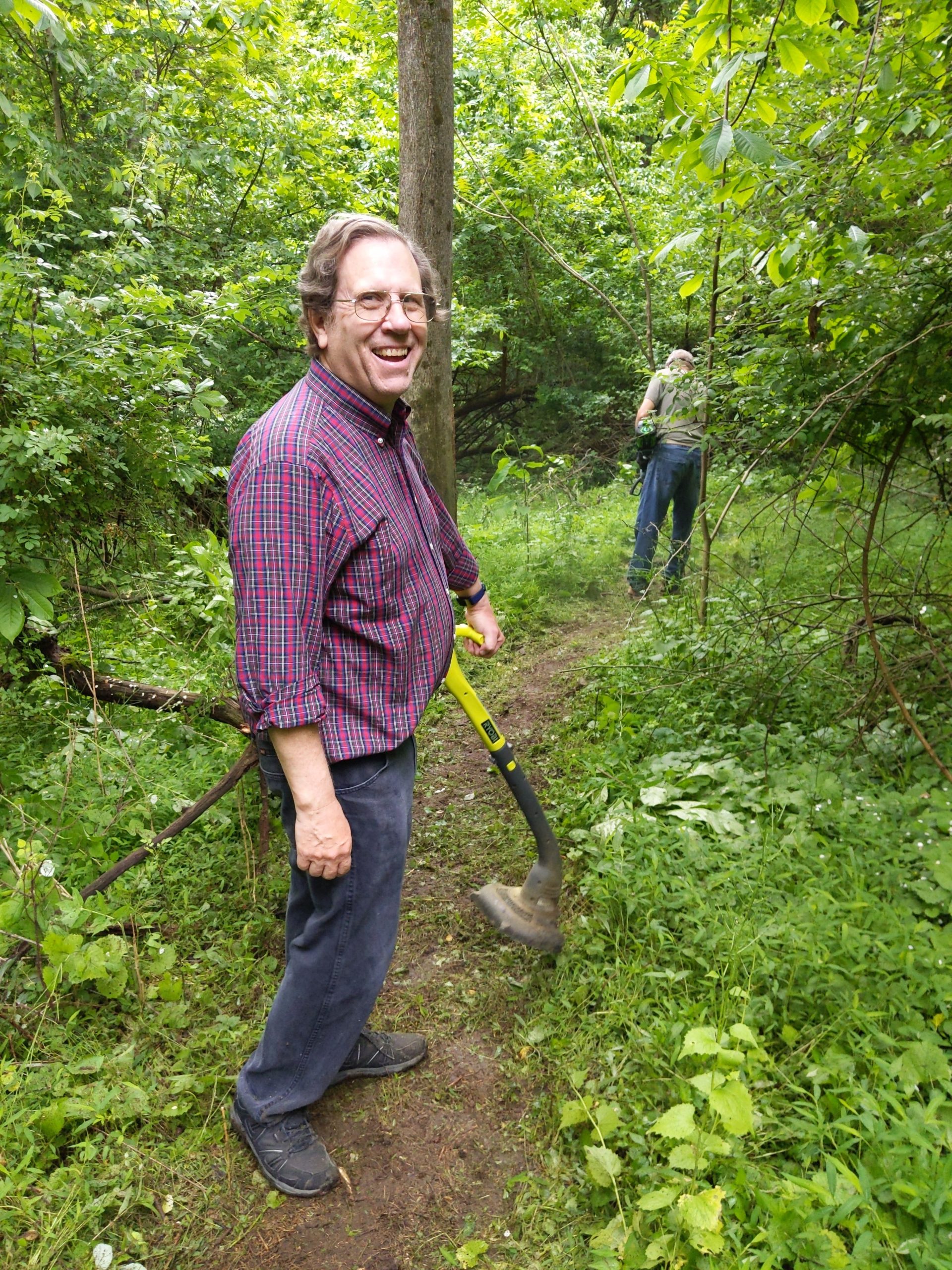
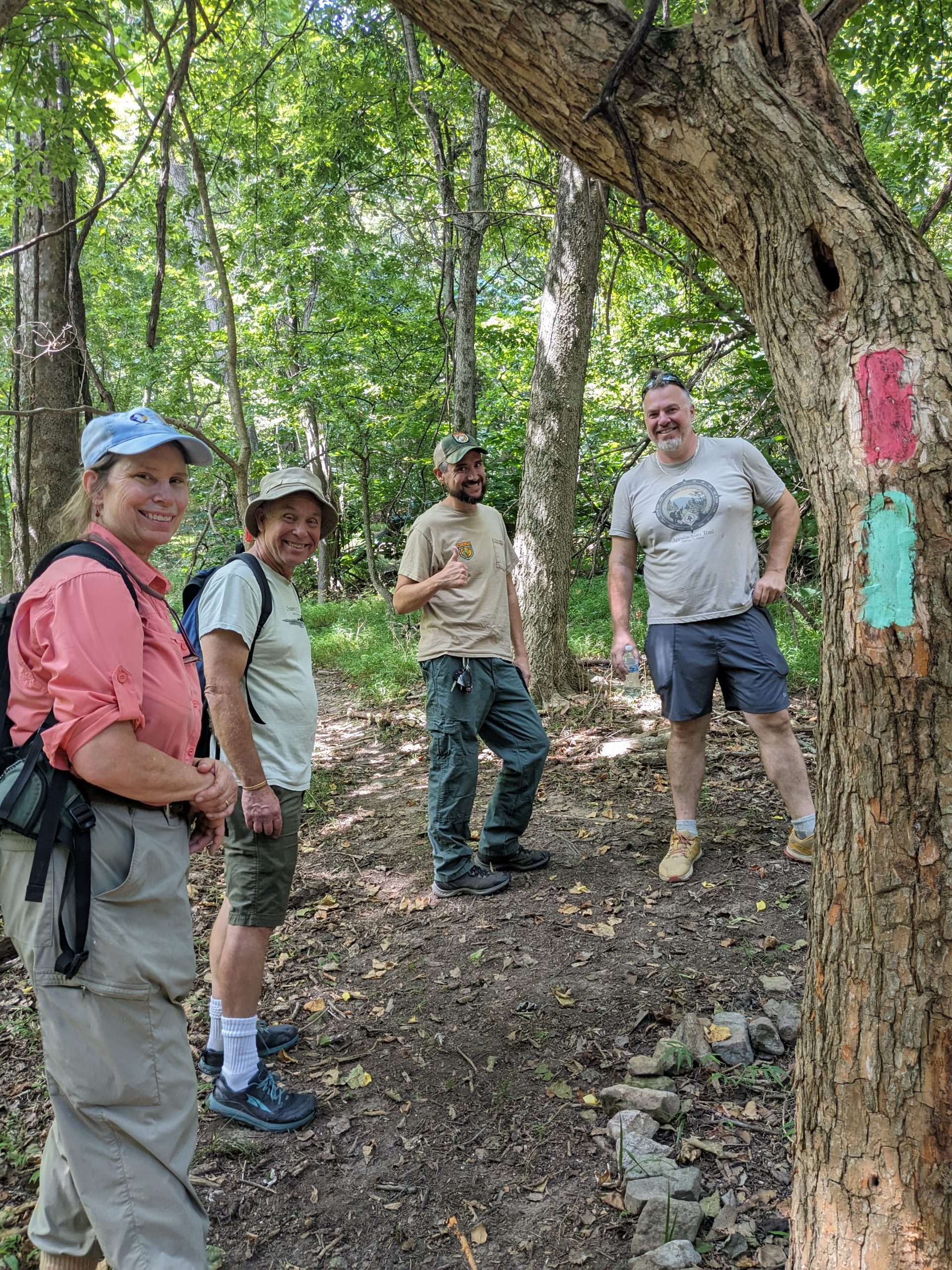
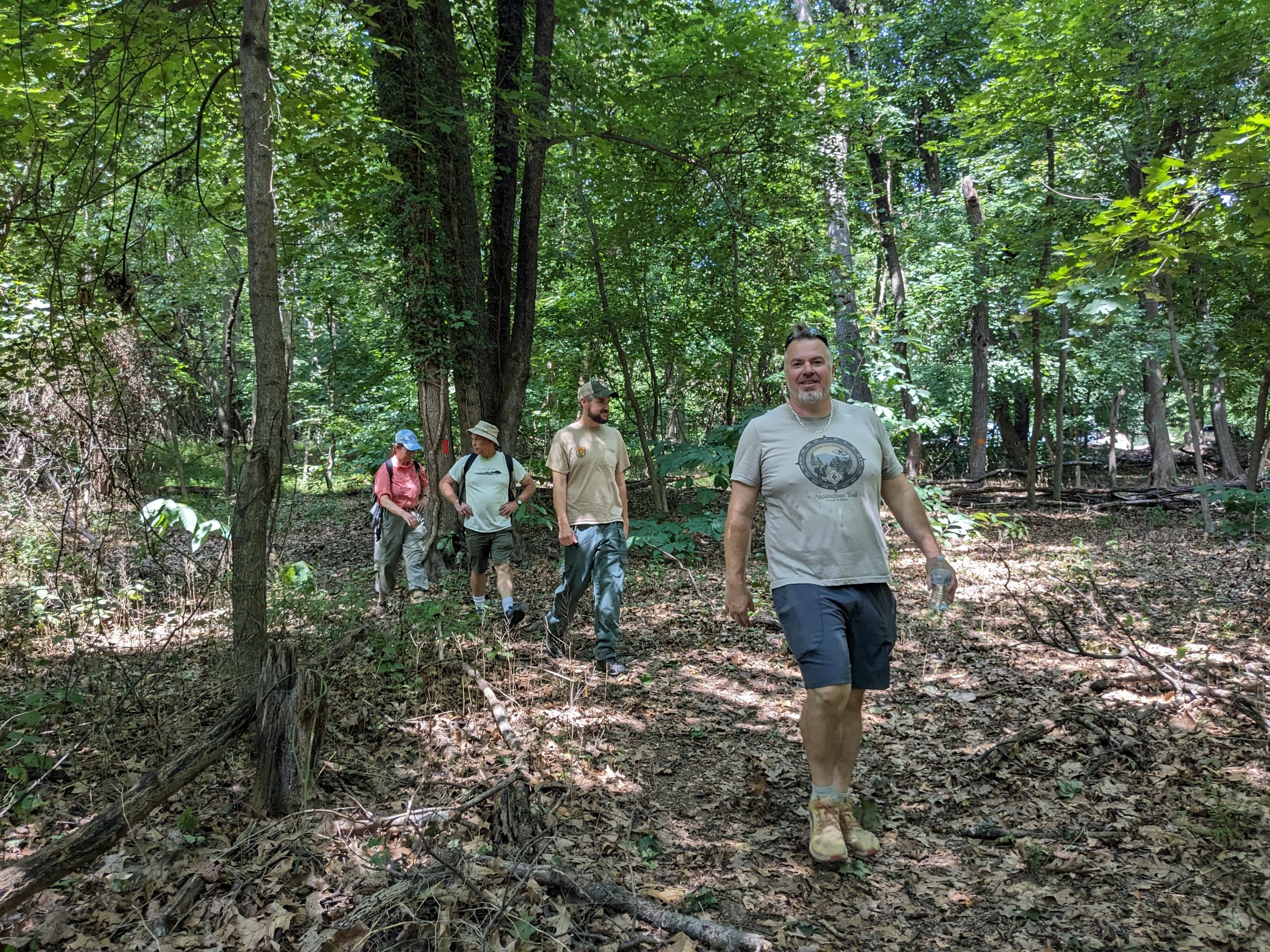
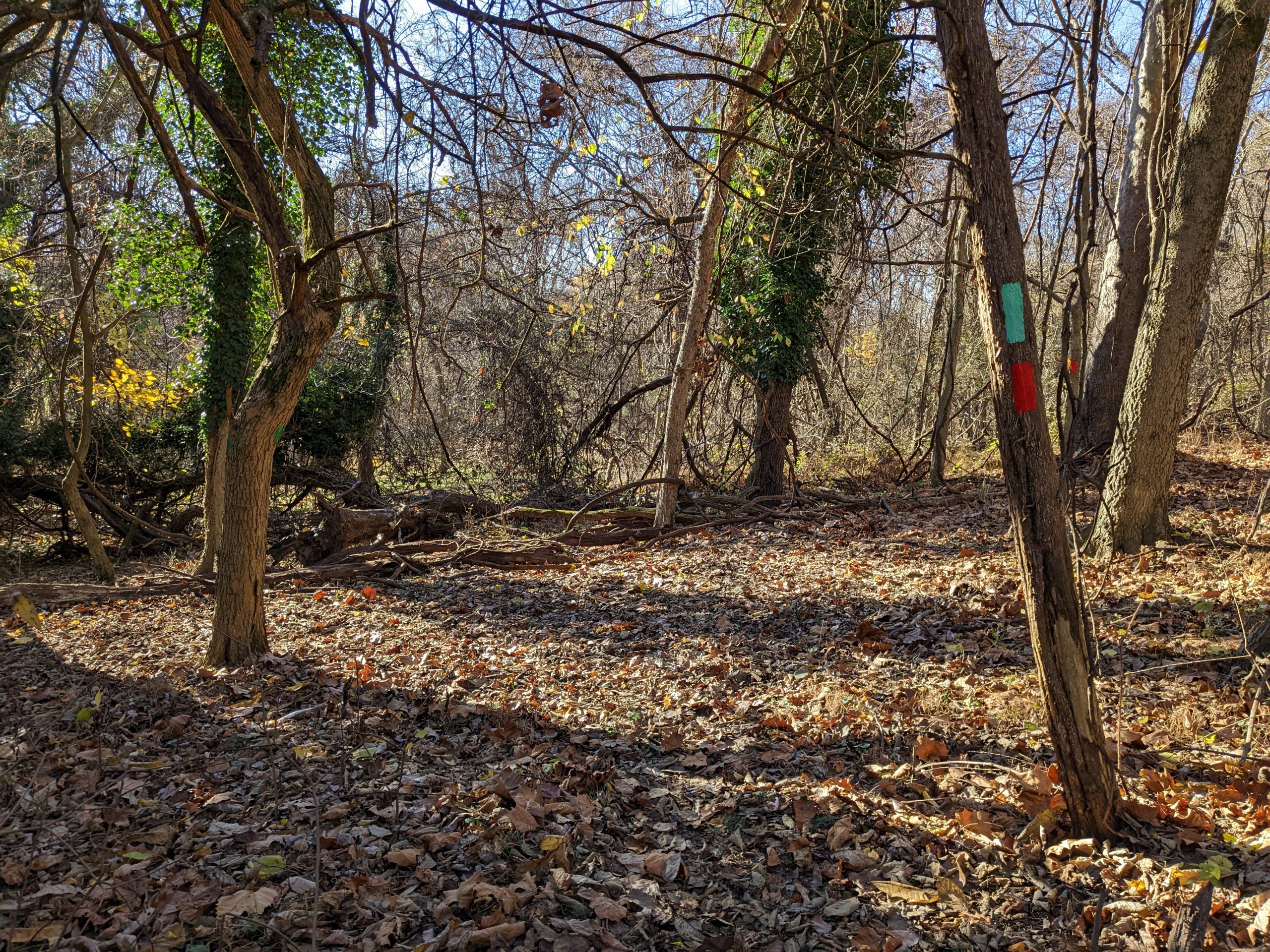
We also established and blazed hiking trails throughout the woods, adding to the outdoor and natural experiences of local residents. Most of these trails align with deer and social paths used for many years. We continue to make these trails safer for use by hikers and reduce erosion and other damaging impact that would otherwise result from increased usage.

DNR has committed to adding signage at the trailhead to help locals navigate these woods. We look forward to continued progress on our trail and ecology work.
Woodpecker Woods Trail Map

Click the map for a bigger version.

Please note: We are still making final changes to these trails in accordance with DNR.

Ecology Efforts: A Community Commitment to Restoration and Stewardship

Our community is incredibly fortunate to have a thirty-acre parcel of open space donated by the Nash Family in the 1980s. Their generous gift came with a clear vision: that the land be “exclusively used for public recreation purposes and as a non-game wildlife area.” The Nash Family also donated their farm to the National Park Service, reflecting a deep commitment to conservation and public benefit.

For many years, the property received little active care. Recently, however, community members came together to remove trash, establish a trail system, and begin discussing long-term stewardship. From those conversations, an ecology group was formed with a shared goal: to restore natural systems, increase biodiversity, and improve ecosystem health for the benefit of wildlife and the entire community.

Restoring Woodpecker Woods to a healthy forest is not without challenges. These include:

  • Chronic deer over-browsing
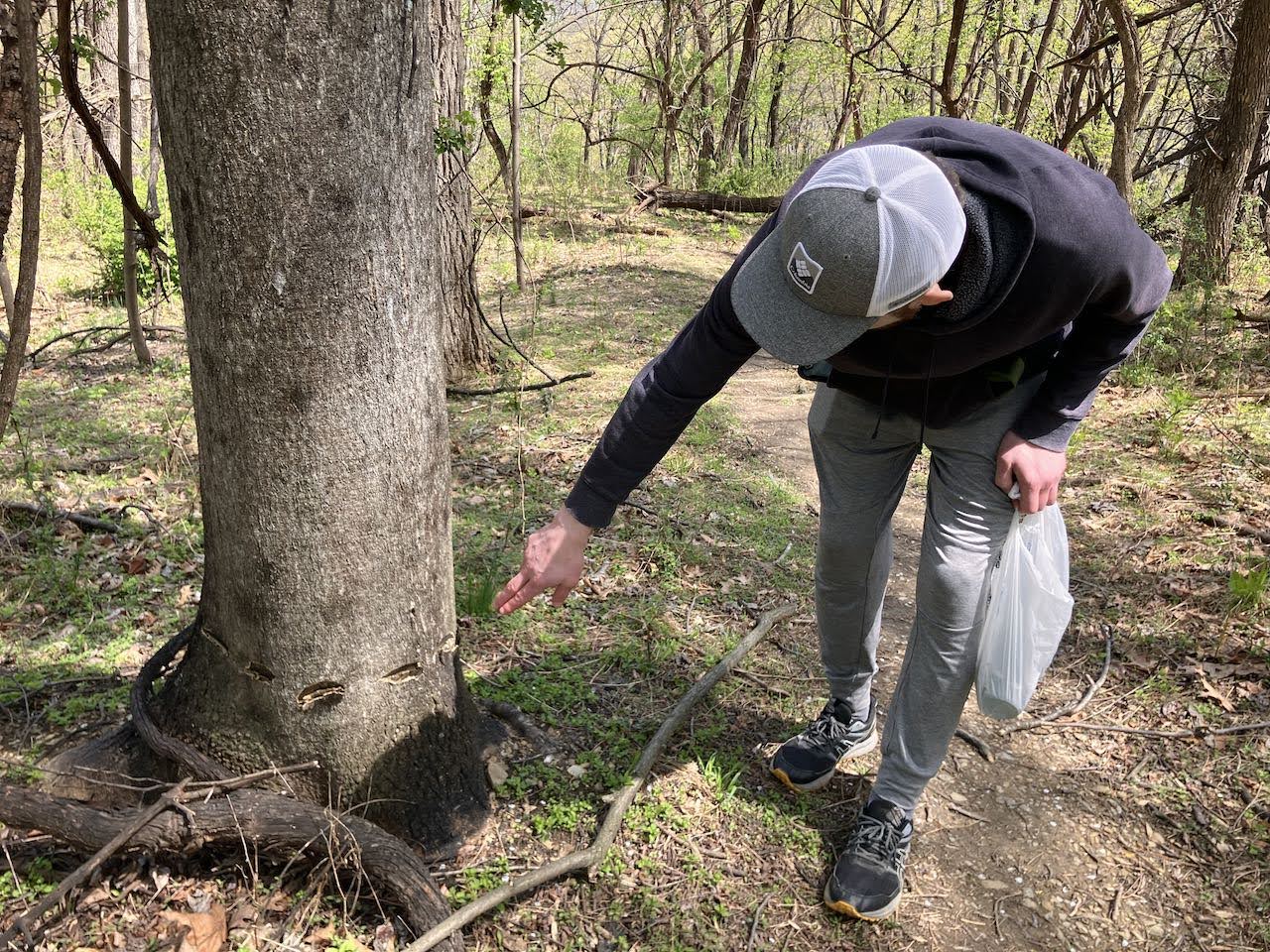
  • Widespread invasive plant species outcompeting native plants
  • Fragmented habitat
  • Balancing public access with ecological health

Invasive species are particularly abundant. Without intervention, they prevent forest regeneration and crowd out native wildflowers and tree seedlings. Over time, this can transform a diverse woodland into open, grassy areas filled with thorny thickets and lacking shade trees, spring wildflowers, and birds — including woodpeckers.

With support from the Potomac Appalachian Trail Club, local community members, and the West Virginia West Virginia Division of Natural Resources, efforts are underway to control invasive plants and support native forest recovery.

Our vision for Woodpecker Woods

This is a terrific example of a woodland with native mature trees, new understory growth and plants thriving on the forest floor. This supports wildlife and is a true sanctuary for us all. This is our goal.

We’re working toward:

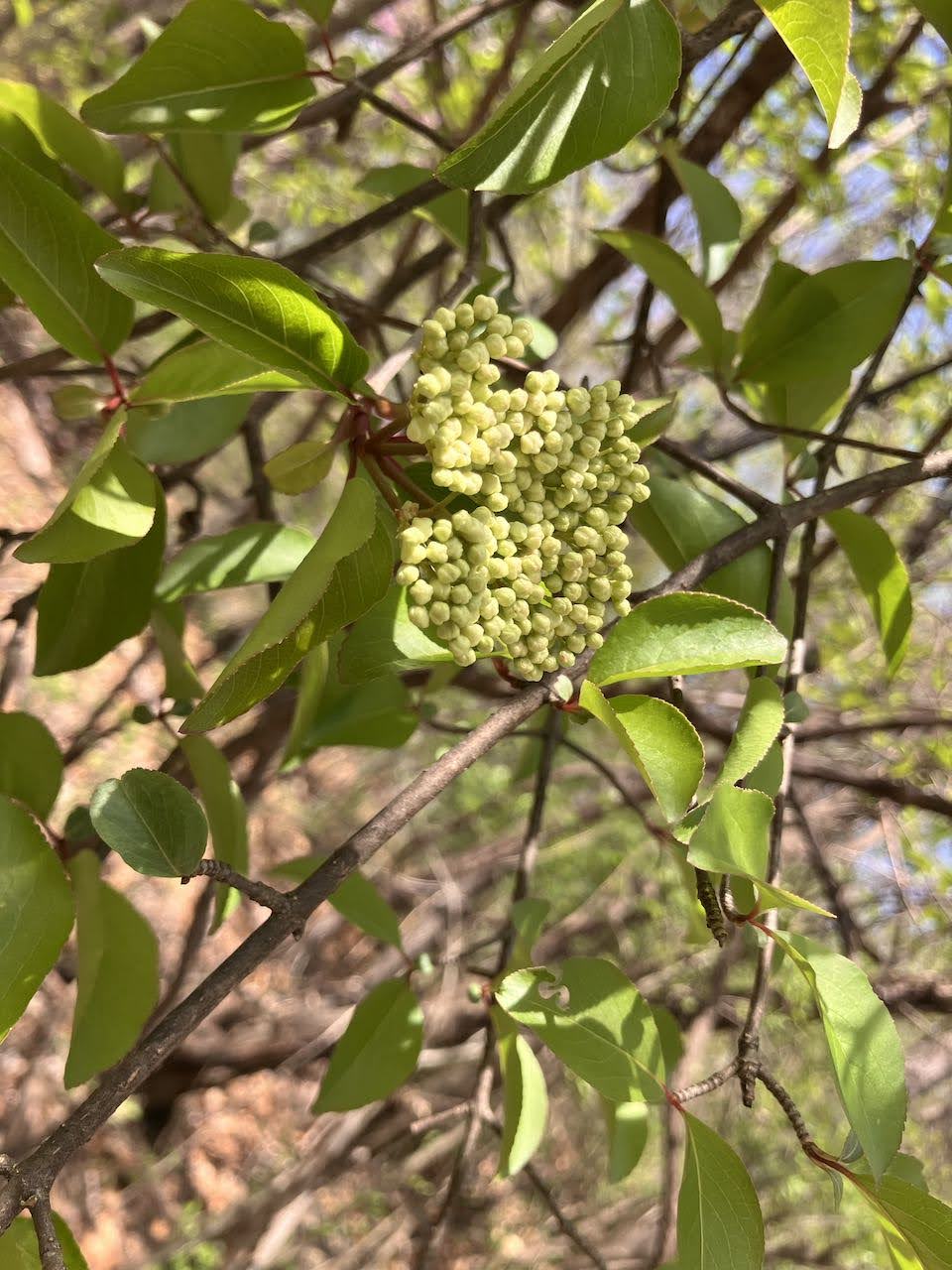
  • Mature native canopy trees
  • A regenerating understory
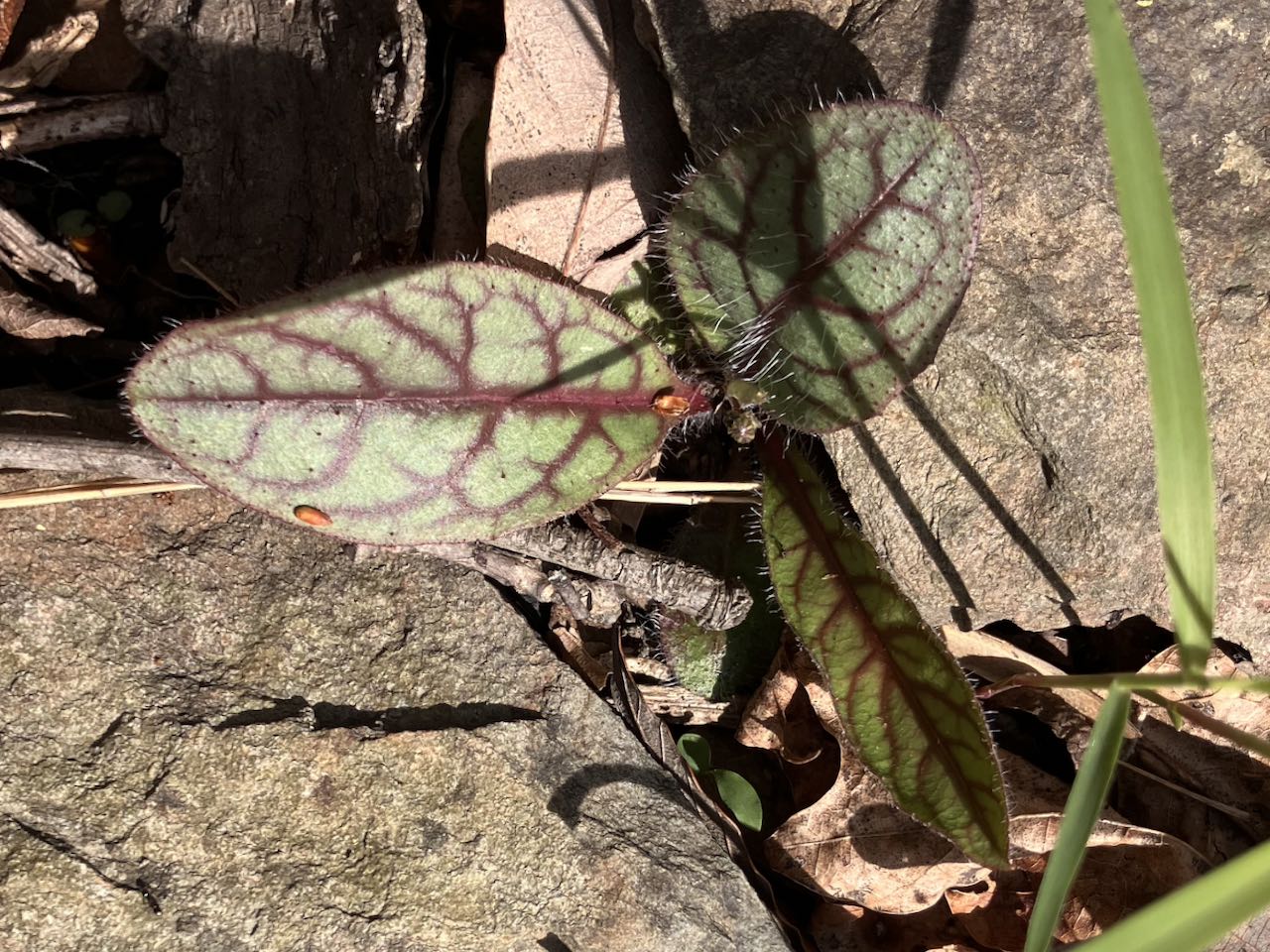
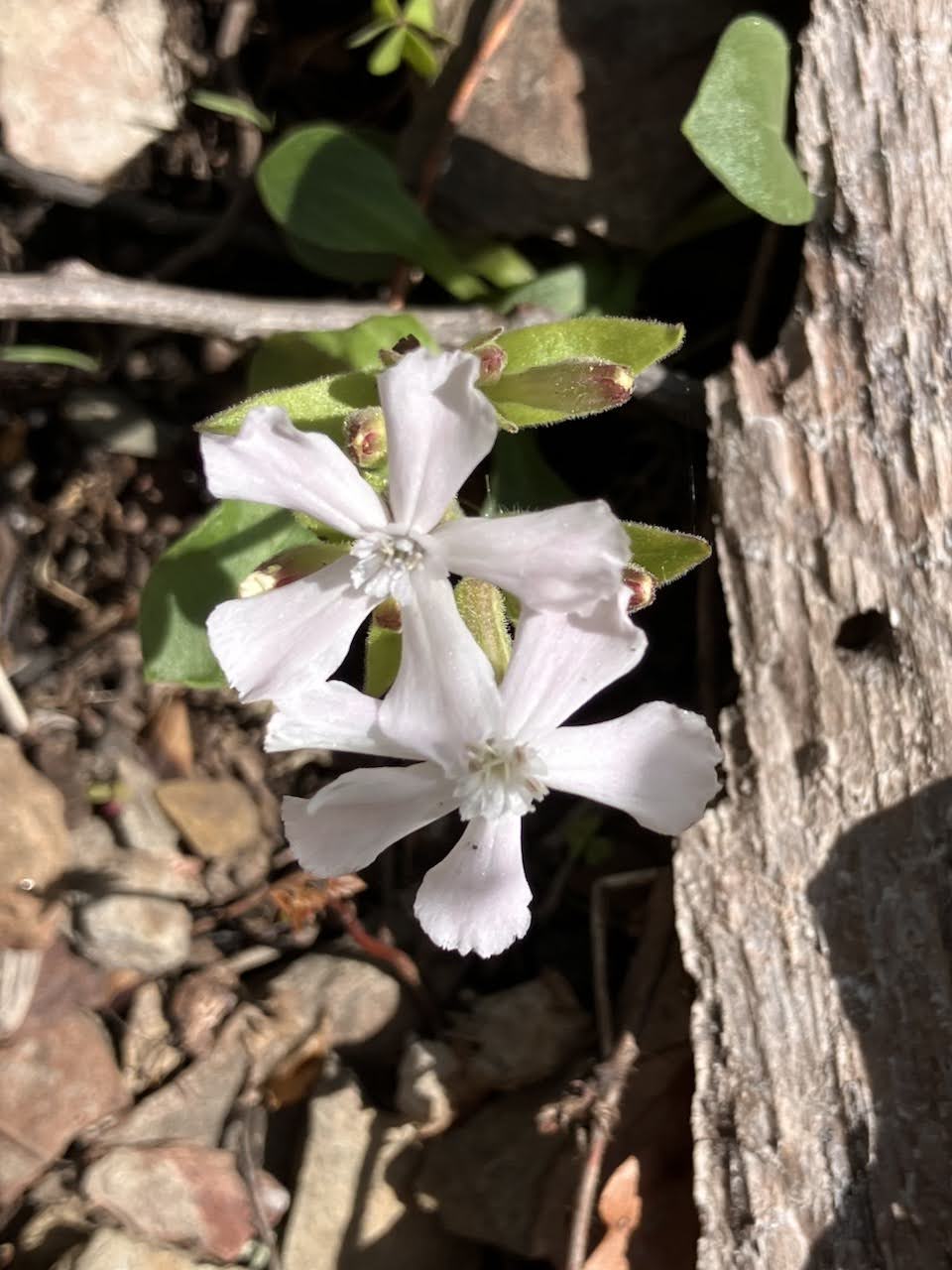
  • Diverse native plants on the forest floor
  • Healthy habitat that supports birds, pollinators, and other wildlife

Restored, Woodpecker Woods can become a vibrant example of how urban and suburban open spaces contribute meaningfully to regional conservation. Tucked into the heart of our community, it is more than a patch of trees — it is a living system. With thoughtful stewardship, it can once again thrive with birdsong, native wildflowers, and offer a rich biodiversity.

Stewardship: Balancing Ecology and Public Use

We are committed to balancing ecological function with public recreation. Thoughtful trail design, habitat restoration, and community education allow us to protect wildlife while ensuring that residents can enjoy and learn from this special place.

Together, we can ensure that Woodpecker Woods remains a true sanctuary — for wildlife and for our community.

Written by Rachel Meyer